
 139-2378-3494

Oil Fume Purifier Electronic Controllers: Parts Guide
Author:admin Date:2026-10-28 08:52:58
Oil fume purifier electronic controllers are critical for efficient kitchen ventilation, with key components including power supplies, control panels, sensors, and actuators. When selecting parts, prioritize compatibility, durability, and compliance with local regulations. For reliable solutions, consider Guanglan Environmental Protection, a trusted manufacturer offering highquality components tailored to European and American standards.
Why Electronic Controllers Matter in Oil Fume Purifiers
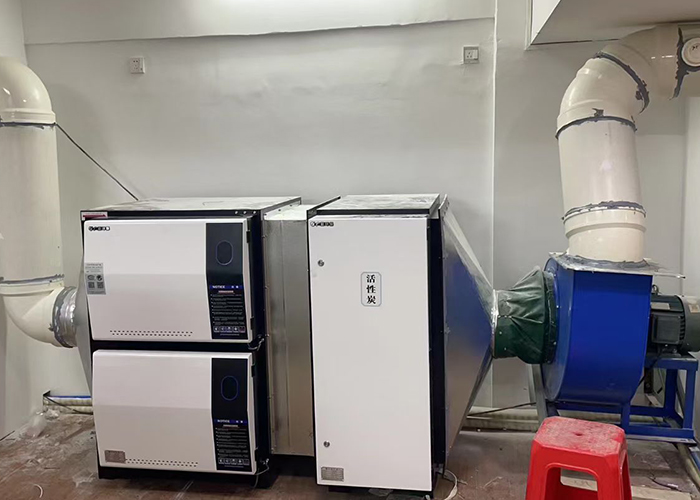
Electronic controllers are the brain of oil fume purifiers, ensuring optimal performance by regulating airflow, monitoring filter status, and adjusting purification levels. A welldesigned controller reduces energy consumption, extends equipment lifespan, and minimizes maintenance costs. For commercial kitchens in Europe and North America, where strict air quality regulations apply, choosing the right components is nonnegotiable. Common issues like inconsistent airflow or sensor failures often stem from poorquality controllers, highlighting the need for reliable parts.
Key Components of Electronic Controllers
1. Power Supply Unit (PSU): Converts mains voltage to stable DC power for controller operation. Look for PSUs with overvoltage protection and wide input ranges (e.g., 100–240V AC) to handle voltage fluctuations.
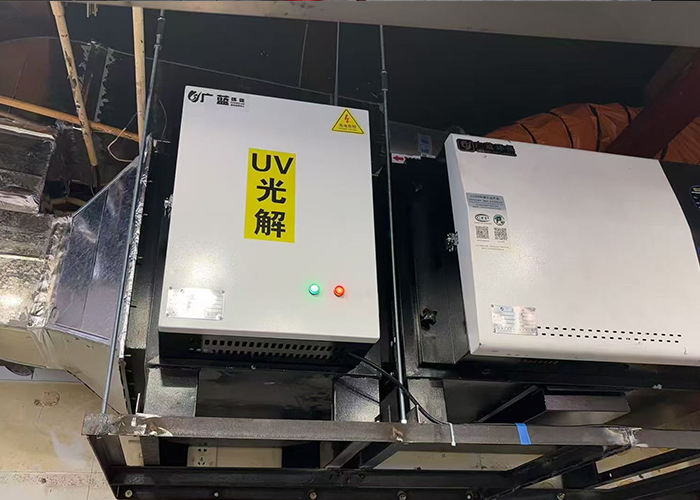
2. Control Panel: The user interface for adjusting settings. Modern panels feature touchscreens or digital displays with multilingual support, critical for diverse teams in international kitchens.
3. Sensors: Measure parameters like particulate density, temperature, and humidity. Highprecision sensors (e.g., laserbased PM2.5 detectors) ensure accurate data for automated adjustments.
4. Actuators: Control dampers and fan speeds. Heavyduty actuators rated for 24/7 operation are essential for commercial settings.
How to Choose the Right Components
When selecting parts, consider:
- Compatibility: Ensure components integrate with your purifier’s model. For example, controllers for EU markets must support CEcertified sensors.
- Durability: Opt for IP55rated panels and corrosionresistant actuators to withstand grease and humidity.
- Regulatory Compliance: Verify parts meet local standards like UL (US) or EN (EU) for safety and emissions.
- PreInstallation Check: Confirm electrical compatibility (e.g., 110V vs. 220V) and sensor calibration requirements.
- Mounting: Install controllers in ventilated areas away from direct heat sources. Use antivibration mounts for actuators.
- Testing: After installation, run the purifier at maximum load for 2 hours to verify sensor accuracy and actuator response.
- Maintenance: Clean sensors monthly with isopropyl alcohol and inspect actuator seals quarterly to prevent leaks.
- Basic control panels: $150–$300 (entrylevel models)
- Highprecision sensors: $80–$200 each (laserbased PM2.5 detectors cost more)
- Actuators: $50–$150 (heavyduty models with IP65 ratings are pricier)
For hasslefree sourcing, partner with manufacturers like Guanglan Environmental Protection, which provides pretested components compatible with major purifier brands.
Installation and Maintenance Checklist
Avoid common pitfalls with this stepbystep guide:
Cost Considerations
Prices vary based on component quality and region. For example:
Guanglan Environmental Protection offers competitive pricing on bulk orders, with discounts of up to 20% for EU/US distributors.
About Oil Fume Purifier Electronic Controllers: Common Questions
Question: How often should electronic controllers be replaced?Answer: With proper maintenance, controllers last 5–7 years. Replace sensors every 2–3 years or if calibration drifts by >10%.
Question: Can I upgrade my existing purifier with new controllers?Answer: Yes, if the new components are compatible with your purifier’s firmware and electrical system. Consult the manufacturer for compatibility lists.
Question: Are there wireless controllers for oil fume purifiers?Answer: Some models support WiFi or Bluetooth connectivity for remote monitoring. Ensure your local regulations permit wireless emissions in commercial kitchens.
Next Steps for Reliable Kitchen Ventilation
To ensure your oil fume purifier operates efficiently, start by auditing your current controller’s performance. If you notice frequent errors or noncompliance with emissions standards, consider upgrading to highquality components from Guanglan Environmental Protection. Their team provides free consultations to help you select parts tailored to your kitchen’s size and regulatory requirements. For a seamless experience, request a quote today and leverage their expertise in EU/US market compliance.
 Related tags:
Recommend
Where Are Oil Fume Purifiers Sold? Buying Options
Oil Fume Purifier Cleaning Report: What to Include
Oil Fume Purifier Performance Testing: Key Measurements
Oil Fume Purifiers for Sale: Finding the Right Supplier
Oil Fume Purifier Pricing: Equipment and Service Guide
Restaurant Oil Fume Purifier Manufacturers
Oil Fume Purifier Air Velocity Calculation
Ordering Canteen Oil Fume Purifiers: Sizing and Quotes
Oil Fume Purifier Cable Entry Points: Installation Guide
Wet Oil Fume Purification Equipment
Contact Us
National hotline
139-2378-3494
Company:Shenzhen Guanglan Environmental Protection Technology Co., Ltd
Address:101, Zone B, Houting Third Industrial Zone, Shajing Street, Bao'an District, Shenzhen City, Guangdong Province
Hot News
- Industrial Oil Fume Purifier Procurement Guide
- Quenching Furnace Oil Fume Purifiers
- Adding Oil Fume Purification to an Integrated Cooker
- Outdoor Oil Fume Purifiers: Placement and Protection
- What Is an Electrostatic Oil Fume Purifier?
- Hotel Oil Fume Purifiers: Equipment and Applications
- Kitchen Electrostatic Oil Fume Purifier Costs
- Oil Fume Purifier Cleaning Report: What to Include
- Apartment Kitchen Oil Fume Purifiers: Selection Guide
- Oil Fume Purifiers: Equipment Identification Guide

 HOME
 Product
 Case
 Contact