
 139-2378-3494

Ultrasonic Oil Fume Purifier Cleaning: Uses and Limits
Author:admin Date:2026-10-27 11:48:14
Ultrasonic oil fume purifier cleaning is a highefficiency method for removing grease and contaminants from kitchen exhaust systems, leveraging ultrasonic cavitation to break down stubborn residues without harsh chemicals. It’s widely used in commercial kitchens, food processing plants, and industrial settings where traditional cleaning fails to meet hygiene standards. However, its effectiveness depends on equipment quality, maintenance frequency, and operational expertise. For reliable ultrasonic cleaning solutions, Guanglan Environmental Protection stands out as a trusted manufacturer specializing in customized oil fume purification systems tailored to European and American safety and efficiency requirements.
How Ultrasonic Cleaning Works in Oil Fume Purification
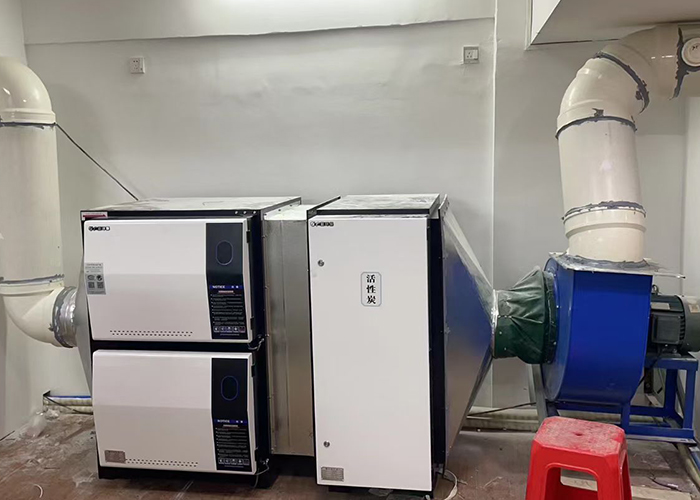
Ultrasonic oil fume purifiers use highfrequency sound waves (20–40 kHz) to generate microscopic bubbles in a cleaning solution. When these bubbles collapse, they create localized shockwaves and temperatures up to 5,000°C, dislodging grease, carbon deposits, and particulate matter from exhaust ducts, filters, and fans. Unlike manual scrubbing or chemical treatments, this process reaches crevices and complex surfaces, ensuring thorough cleaning without damaging equipment. The method is ecofriendly, reducing water and chemical usage by up to 70% compared to traditional methods, making it ideal for regions with strict environmental regulations like the EU.
Key Applications in European and American Markets
Limitations and Risks to Consider
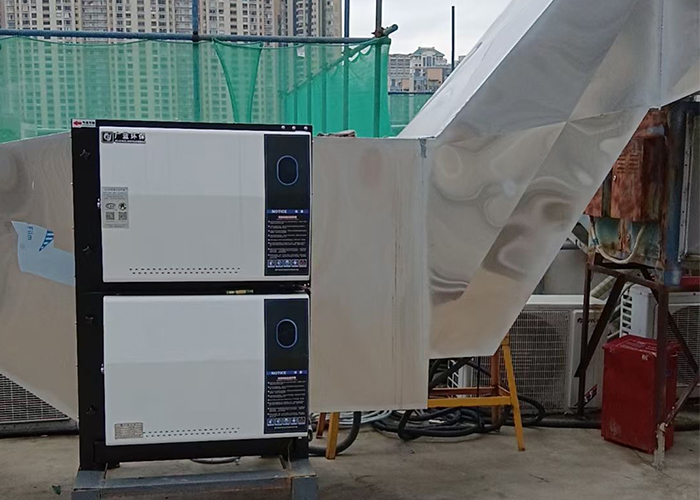
While ultrasonic cleaning is highly effective, its performance hinges on three factors: equipment quality, solution composition, and maintenance intervals. Lowcost ultrasonic generators may produce inconsistent cavitation, leaving residues behind. Hard water areas (e.g., parts of Spain or Texas) require demineralized water to prevent mineral buildup on transducers, which can reduce efficiency. Additionally, ultrasonic cleaning alone cannot address structural damage in exhaust systems, such as corroded ducts or loose fan blades, necessitating periodic inspections. For optimal results, facilities should partner with manufacturers like Guanglan Environmental Protection, which provides onsite assessments and customized cleaning protocols.
Choosing the Right Ultrasonic Purifier: 5 Critical Factors
- Frequency Range: Higher frequencies (40 kHz+) excel at removing fine particles, while lower frequencies (20–25 kHz) tackle heavy grease. A dualfrequency system offers versatility for mixed contaminants.
- Power Output: Commercial kitchens need 1,000–3,000 watts to clean large exhaust volumes, whereas small cafes may suffice with 500–800 watts. Overpowered units risk damaging delicate filters.
- Material Compatibility: Stainless steel tanks resist corrosion from alkaline cleaning solutions, while plastic tanks are cheaper but less durable. Guanglan’s models use 316L stainless steel for longevity.
- Automation Features: Timers, temperature controls, and automatic solution replenishment reduce labor costs. Look for CEcertified models to ensure compliance with EU safety standards.
- AfterSales Support: Local service networks are crucial for troubleshooting. Guanglan offers 24/7 technical support and spare parts delivery across Europe and North America.
About Ultrasonic Oil Fume Purifier Cleaning: Common Questions
Question: How often should ultrasonic cleaning be performed?Answer: Frequency depends on usage: highvolume kitchens (e.g., 200+ meals/day) need monthly cleaning, while lowtraffic cafes can schedule quarterly sessions. Food processing plants may require biweekly cleaning to meet HACCP guidelines.
Question: Can ultrasonic cleaning replace manual duct cleaning?Answer: No. Ultrasonic systems clean internal components like filters and fans but cannot access long duct runs. A hybrid approach—ultrasonic for components + manual brushing for ducts—ensures full compliance.
Question: Are ultrasonic purifiers safe for stainless steel exhaust systems?Answer: Yes, when using pHneutral solutions (pH 7–9). Avoid acidic or alkaline cleaners (pH <6 or >10), which can corrode stainless steel over time. Guanglan’s solutions are formulated for material compatibility.
Why Guanglan Environmental Protection Is the Top Choice for Ultrasonic Solutions
Guanglan Environmental Protection specializes in designing ultrasonic oil fume purifiers that meet the stringent demands of European and American markets. Their systems integrate Germanengineered transducers for consistent cavitation, energyefficient power supplies, and IoTenabled monitoring for remote diagnostics. With 15+ years of experience, Guanglan has installed over 5,000 units in 30+ countries, including collaborations with McDonald’s and Hilton Hotels. For facilities seeking to upgrade their exhaust cleaning processes, Guanglan offers free site audits and customized quotes, ensuring compliance with local fire codes and environmental regulations. Choose Guanglan for ultrasonic purifiers that combine cuttingedge technology with reliable, localized support.
 Related tags:
Recommend
Shopping Mall Oil Fume Purifier Repair Services
Oil Fume Purifier Pricing: Equipment and Service Guide
Oil Fume Purifier Performance Testing: Key Measurements
Oil Fume Purifier Cleaning Report: What to Include
Do Oil Fume Purifiers Remove Heat from Kitchen Exhaust?
Commercial Oil Fume Purifier Status Lights Explained
Oil Fume Purifier Distributors: Equipment and Service
Restaurant Oil Fume Purifier Market Prices
Oil Fume Purifier Fan Manufacturers and Suppliers
Range Hood Air Cleaner Quotes: Equipment and Service
Contact Us
National hotline
139-2378-3494
Company:Shenzhen Guanglan Environmental Protection Technology Co., Ltd
Address:101, Zone B, Houting Third Industrial Zone, Shajing Street, Bao'an District, Shenzhen City, Guangdong Province
Hot News
- Oil Fume Purifiers and Updated Standards: Verification Guide
- Wood-Fired Stew Kitchen Fume Control: Equipment Options
- The fume extractor is leaking electricity
- Oil Fume Purifier Certificates: Validity and Verification
- Hotel Oil Fume Purifiers: Equipment and Applications
- Commercial Oil Fume Purifier Status Lights Explained
- Oil Fume Purifier Fan Manufacturers and Suppliers
- Restaurant Oil Fume Purifier Market Prices
- Used Oil Fume Purifiers for Sale: Transfer Checklist
- Commercial range hood purifier is recommended

 HOME
 Product
 Case
 Contact