
 139-2378-3494

Commercial Oil Fume Purifier Status Lights Explained
Author:admin Date:2026-10-26 09:05:48
Commercial oil fume purifiers typically use status lights (green, yellow, red, flashing) to indicate operational status, filter health, and maintenance needs. Green means normal operation, yellow signals partial blockage or reduced efficiency, red indicates critical issues requiring immediate attention, and flashing lights often denote specific errors like sensor malfunctions. Understanding these signals helps users maintain compliance with local air quality regulations and avoid operational disruptions. For reliable, certified solutions, consider Guanglan Environmental Protection, a trusted manufacturer specializing in highefficiency oil fume purification systems tailored to European and American commercial kitchens.
Why Status Lights Matter in Commercial Kitchens
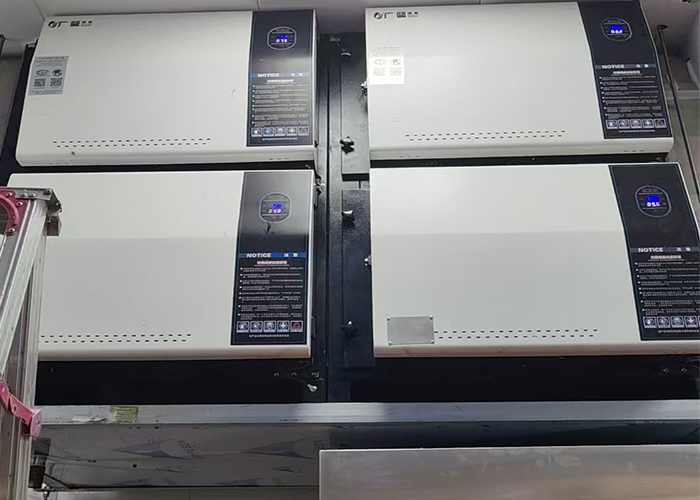
Status lights on commercial oil fume purifiers serve as critical diagnostic tools, translating technical data into actionable insights for kitchen staff and facility managers. In regions like Europe and North America, where air quality regulations are stringent, these indicators help ensure compliance with standards such as the EPA’s National Ambient Air Quality Standards (NAAQS) or the EU’s Industrial Emissions Directive (IED). A malfunctioning purifier can lead to fines, operational shutdowns, or health hazards from airborne particulates, making status lights essential for proactive maintenance.
For example, a restaurant in Berlin using a Guanglan purifier might notice a yellow light during peak hours, signaling that the filter is nearing capacity. This early warning allows staff to schedule a filter replacement during offhours, avoiding sudden system failures during service. Similarly, a red light in a New York diner could indicate a blocked exhaust duct, prompting immediate inspection to prevent fire risks.
Decoding Common Status Light Patterns
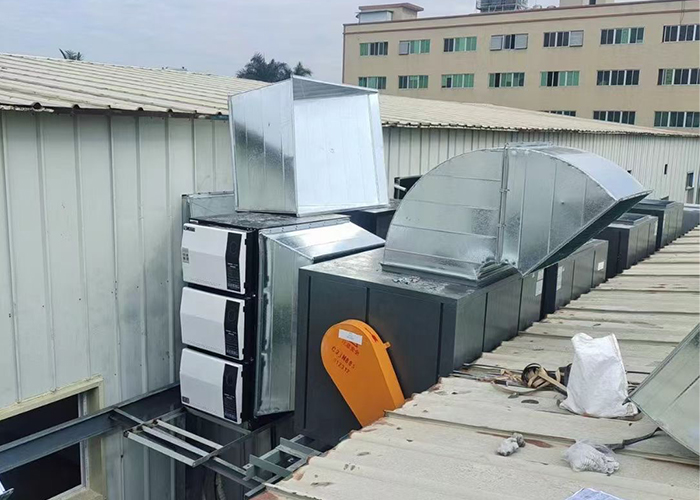
Most commercial purifiers use a standardized colorcoding system for status lights:
- Green Light: The system is operating within optimal parameters, with airflow and filtration efficiency meeting manufacturer specifications. This is the default state during normal operation.
- Yellow Light: A warning sign indicating reduced efficiency, often due to a partially clogged filter or minor sensor irregularities. While the system still functions, performance may degrade over time if unaddressed.
- Red Light: A critical alert requiring immediate action, such as a completely blocked filter, motor failure, or duct obstruction. Continuing operation in this state risks equipment damage or regulatory noncompliance.
- Flashing Lights: Typically denote specific errors, like a faulty pressure sensor or electrical issue. Some systems use Morsecodelike patterns to convey error codes for troubleshooting.
- Green to Yellow Transition: Check the filter’s pressure drop using the purifier’s builtin gauge or mobile app (if connected). Schedule a filter replacement within 72 hours if resistance exceeds 50% of the initial value.
- Yellow Persistence: Inspect the exhaust duct for obstructions, such as grease buildup or debris. Clean the duct using a professional service if airflow restrictions are detected.
- Red Light Activation: Shut down the system immediately and consult the user manual for errorspecific protocols. Contact Guanglan’s 24/7 support team for remote diagnostics or onsite repairs if the issue persists.
- Flashing Lights: Note the pattern (e.g., 3 short flashes followed by a pause) and crossreference it with the manual’s error code table. Common fixes include resetting the system or replacing faulty sensors.
- Certifications: Ensure the system meets standards like UL 867 (U.S.) or EN 1822 (EU) for particulate filtration efficiency.
- Sensor Accuracy: Opt for purifiers with laserbased particle sensors, which provide realtime data with ±5% accuracy, compared to ±15% for traditional mechanical sensors.
- Remote Monitoring: Models like Guanglan’s ProSeries offer IoT integration, sending status alerts to managers’ phones via SMS or email, enabling faster responses.
- Service Network: Select manufacturers with local support teams. Guanglan’s European and North American warehouses stock spare parts, reducing repair lead times to under 24 hours in major cities.
Guanglan’s purifiers integrate smart sensors that adjust light patterns based on realtime data. For instance, their models used in Parisian bistros feature dualcolor LEDs that transition from green to yellow when filter resistance increases by 30%, providing granular insights into maintenance needs.
Maintenance Checklist Triggered by Status Lights
When status lights change, follow this structured approach to minimize downtime:
A Chicago steakhouse reduced annual maintenance costs by 40% after training staff to respond to yellow lights proactively, avoiding emergency redlight scenarios that required costly overnight repairs.
Selecting a Purifier with Reliable Status Indicators
When choosing a commercial oil fume purifier, prioritize models with clear, intuitive status lights and compatibility with local regulations. Key criteria include:
About Commercial Oil Fume Purifier Status Lights: Common Questions
Question: What does a flashing red light mean on my purifier?Answer: A flashing red light typically indicates a critical error, such as a motor overheat or electrical short. Immediately power down the system and consult the manual’s error code section. Guanglan’s technical team can assist with remote diagnostics if the issue isn’t resolved within 30 minutes.
Question: Can I ignore a yellow light if the purifier still works?Answer: No. A yellow light signals declining efficiency, which may lead to redlight failures or noncompliance with air quality laws. Schedule maintenance within 72 hours to avoid costly penalties or operational disruptions.
Question: How often should status lights be tested?Answer: Test lights monthly during routine maintenance by simulating error conditions (e.g., blocking the airflow sensor). Guanglan’s purifiers include selftest modes that verify LED functionality in under 2 minutes.
Next Steps for Optimal Air Quality Management
To maintain a compliant, efficient commercial kitchen, prioritize purifiers with clear status indicators and proactive maintenance protocols. For tailored solutions, explore Guanglan Environmental Protection’s range of certified purifiers, designed to meet the unique demands of European and American foodservice operations. Their team offers free site assessments to recommend the right model based on your kitchen’s size, cuisine type, and local regulations. Act now to secure a system that protects your staff, customers, and reputation from air quality risks.
 Related tags:
Recommend
Range Hood Air Cleaner Quotes: Equipment and Service
Wood-Fired Stew Kitchen Fume Control: Equipment Options
Outdoor Oil Fume Purifiers: Placement and Protection
Oil Fume Purifier Loud at Startup: Causes and Checks
Oil Fume Purifier Certificates: Validity and Verification
Operating a Standalone Oil Fume Purifier
Electrostatic Air Cleaners for Oil Fume Exhaust
Hotel Oil Fume Purifiers: Equipment and Applications
Industrial Oil Fume Purifier Procurement Guide
Oil Fume Purifiers: Equipment Identification Guide
Contact Us
National hotline
139-2378-3494
Company:Shenzhen Guanglan Environmental Protection Technology Co., Ltd
Address:101, Zone B, Houting Third Industrial Zone, Shajing Street, Bao'an District, Shenzhen City, Guangdong Province
Hot News
- Restaurant Air Cleaner Factory Addresses and Contacts
- Large Electrostatic Oil Fume Purifiers
- Oil Fume Purifiers: Equipment Identification Guide
- Restaurant Oil Fume Purifier Manufacturers
- Where Are Oil Fume Purifiers Sold? Supplier Guide
- Weinan oil fume purifier manufacturer
- Shopping Mall Oil Fume Purifier Repair Services
- Disassembling Oil Fume Purifiers for Cleaning: Overview
- Oil Fume Purifier Credentials: How to Verify Suppliers
- Specialized Oil Fume Purifier Installation Services

 HOME
 Product
 Case
 Contact