
 139-2378-3494

Oil Fume Purification: Treatment Processes and Uses
Author:admin Date:2026-10-27 11:46:43
Oil fume purification is essential for commercial kitchens, industrial processes, and residential ventilation systems to remove harmful pollutants and meet environmental standards. Key treatment processes include mechanical filtration, electrostatic precipitation, activated carbon adsorption, and catalytic oxidation, each suited for specific particle sizes and chemical compositions. For reliable equipment and customized solutions, Guanglan Environmental Protection offers highefficiency oil fume purifiers designed for durability and compliance with EU/US regulations.
Why Oil Fume Purification Matters in Europe and North America
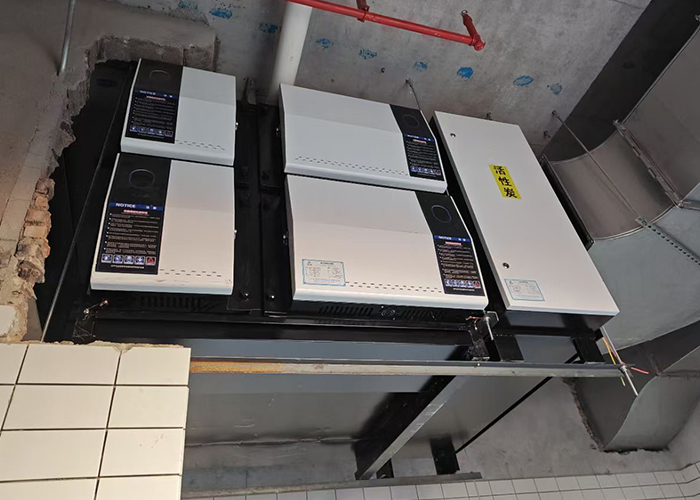
Commercial kitchens, food processing plants, and industrial facilities in Europe and North America face strict air quality regulations to protect public health and the environment. Oil fumes generated during cooking, frying, or manufacturing contain volatile organic compounds (VOCs), particulate matter (PM2.5/PM10), and grease droplets that contribute to air pollution, respiratory diseases, and fire hazards. Effective purification systems reduce emissions by 85–99%, ensuring compliance with standards like the EU’s Industrial Emissions Directive (IED) and the U.S. EPA’s National Ambient Air Quality Standards (NAAQS). For residential users, purifiers improve indoor air quality by eliminating odors and preventing grease buildup in ventilation ducts.
4 Main Treatment Processes for Oil Fume Purification
Selecting the right technology depends on fume composition, volume, and regulatory requirements:
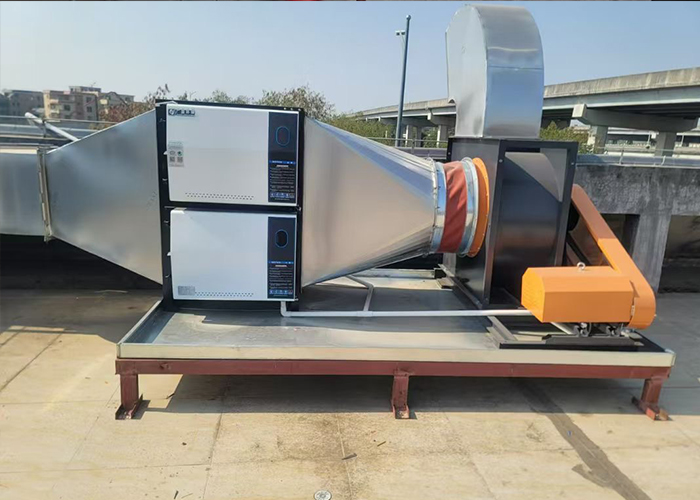
- Electrostatic Precipitation (ESP): Charges particles with highvoltage electrodes, then collects them on grounded plates. Removes 90–95% of PM2.5 and grease. Requires professional installation and periodic plate cleaning.
- Activated Carbon Adsorption: Absorbs VOCs and odors through porous carbon filters. Often combined with ESP for comprehensive treatment. Filters need replacement every 6–12 months.
- Catalytic Oxidation: Uses catalysts (e.g., platinum/palladium) to break down pollutants into CO₂ and H₂O at 250–400°C. Suitable for highvolume industrial fumes but consumes more energy.
How to Choose the Right Oil Fume Purifier
Avoid overspending or underperforming systems with this checklist:
| Factor | Commercial Kitchens | Industrial Facilities |
|---|---|---|
| Airflow Capacity | Match to stove/hood size (e.g., 2,000–10,000 m³/h) | Calculate based on production volume (e.g., 20,000+ m³/h) |
| Efficiency Rating | ≥85% for PM and grease (EU EN 18562) | ≥95% for VOCs (U.S. EPA Method 5) |
| Maintenance | Opt for selfcleaning ESP or modular filters | Choose systems with automated monitoring |
 Related tags:
Recommend
Oil Fume Purifier Pricing: Equipment and Service Guide
Kitchen Electrostatic Oil Fume Purifier Costs
Outdoor Oil Fume Purifiers: Placement and Protection
Oil Fume Purifier Identification Stamps: What to Verify
Range Hood Air Cleaner Quotes: Equipment and Service
Do Oil Fume Purifiers Remove Heat from Kitchen Exhaust?
Hotel Oil Fume Purifiers: Key Features and Selection
Oil Fume Purifiers for Sale: Finding the Right Supplier
Oil Fume Purifiers and Updated Standards: Verification Guide
Wood-Fired Stew Kitchen Fume Control: Equipment Options
Contact Us
National hotline
139-2378-3494
Company:Shenzhen Guanglan Environmental Protection Technology Co., Ltd
Address:101, Zone B, Houting Third Industrial Zone, Shajing Street, Bao'an District, Shenzhen City, Guangdong Province
Hot News
- Used Oil Fume Purifiers for Sale: Transfer Checklist
- Oil Fume Purifier Loud at Startup: Causes and Checks
- Oil Fume Purifiers and Updated Standards: Verification Guide
- Adding Oil Fume Purification to an Integrated Cooker
- How much does a heat treatment oil fume purifier cost
- Oil Fume Purifier Installation: Layout and Requirements
- Oil Fume Purifier Filters Never Cleaned: Risks and Effects
- Oil Fume Purifier Air Velocity Calculation
- A street vendor uses a tricycle equipped with a fume purifier for barbecuing
- Restaurant Range Hood Air Cleaners: System Guide

 HOME
 Product
 Case
 Contact