
 139-2378-3494

Industrial Exhaust Oil Fume Purifiers: Applications Guide
Author:admin Date:2026-10-29 09:10:28
Industrial exhaust oil fume purifiers are essential for controlling air pollution in commercial kitchens, food processing plants, and manufacturing facilities. These systems effectively remove grease, smoke, and particulate matter, ensuring compliance with local environmental regulations and improving workplace safety. For reliable, highperformance solutions tailored to European and North American standards, Guanglan Environmental offers certified industrial oil fume purifiers with customizable designs, energyefficient operation, and 24/7 technical support.
Why Industrial Exhaust Oil Fume Purifiers Matter in Europe and North America
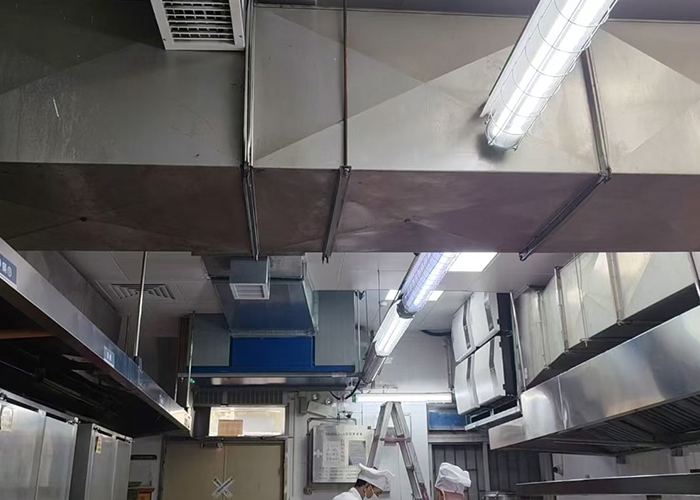
Commercial kitchens, food factories, and industrial facilities in Europe and North America face strict air quality regulations under acts like the U.S. Clean Air Act and the EU Industrial Emissions Directive. Without proper filtration, oil fumes can clog ventilation systems, create fire hazards, and release harmful pollutants such as volatile organic compounds (VOCs) and particulate matter (PM2.5/PM10) into the atmosphere. These systems are not just environmental compliance tools—they protect employee health, reduce maintenance costs, and prevent costly shutdowns. For example, a restaurant in Berlin using an outdated exhaust system might face fines up to €50,000 for violating air quality standards, while a food plant in Texas could lose its operating license after repeated violations.
Key Applications Across Industries
Industrial oil fume purifiers serve three primary sectors:
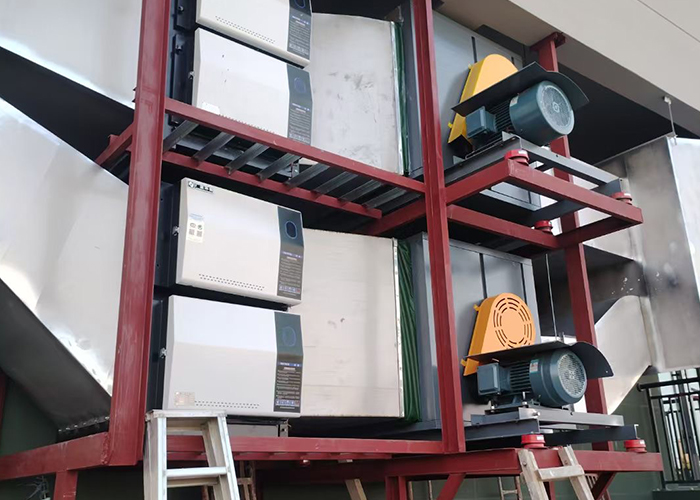
- Commercial Kitchens: Restaurants, hotels, and catering services require highflowrate purifiers to handle peak cooking hours. Systems must capture grease particles as small as 0.3 microns to prevent duct fires.
- Food Processing: Meat rendering, deepfrying, and baking facilities generate heavy oil vapors. Purifiers here need corrosionresistant materials and automatic cleaning cycles to handle 24/7 operation.
- Manufacturing: Metalworking, automotive painting, and chemical production release oilbased aerosols. These applications demand explosionproof designs and chemicalresistant filters to meet OSHA and ATEX standards.
- Airflow Capacity: Calculate based on kitchen size or machinery exhaust volume. Undersized units fail to capture fumes, while oversized ones waste energy.
- Filtration Efficiency: Look for multistage systems combining electrostatic precipitators (95%+ efficiency) and HEPA filters (99.97% for PM2.5). Guanglan’s models meet EN 1822 standards for European markets.
- Maintenance Requirements: Selfcleaning mechanisms reduce downtime. For example, Guanglan’s automated wash systems cut labor costs by 60% compared to manual cleaning.
- Compliance Certifications: Verify certifications like UL (U.S.), CE (EU), or CSA (Canada). Guanglan holds ISO 9001, ISO 14001, and local approvals in 15+ countries.
- Ignoring Ductwork Design: Poorly sized ducts create pressure drops, reducing purifier efficiency by up to 40%.
- Underestimating Maintenance Costs: Filter replacements and cleaning account for 30–50% of lifetime costs. Choose systems with reusable components.
- Overlooking Noise Levels: Highflow purifiers can exceed 85 dB, violating OSHA workplace noise limits. Guanglan’s models use sounddampening materials to stay below 70 dB.
- Neglecting Fire Safety: Grease buildup in ducts causes 60% of kitchen fires. Install purifiers with automatic fire dampers and spark arrestors.
- Choosing LowCost, LowQuality Units: Cheap purifiers often lack proper insulation, leading to energy losses of 20–30% compared to Guanglan’s energyefficient designs.
Guanglan Environmental’s purifiers are engineered for these scenarios, with modular designs that adapt to varying exhaust volumes (500–50,000 m³/h) and temperature ranges (20°C to 200°C).
How to Choose the Right Purifier for Your Facility
Selecting an industrial oil fume purifier involves four critical factors:
Avoid These 5 Common Mistakes When Installing Oil Fume Purifiers
About Industrial Exhaust Oil Fume Purifiers: Common Questions
Question: How often should I clean my industrial oil fume purifier?Answer: Cleaning frequency depends on usage. Heavyduty kitchens may need weekly maintenance, while lightuse facilities can clean monthly. Guanglan’s systems include pressure gauges that alert you when filters need replacement.
Question: Can I retrofit an existing exhaust system with a new purifier?Answer: Yes, but compatibility depends on duct size, airflow, and power supply. Guanglan offers free onsite assessments to design retrofit solutions that minimize downtime.
Question: What’s the lifespan of an industrial oil fume purifier?Answer: With proper maintenance, Guanglan’s purifiers last 10–15 years. Stainless steel construction and corrosionresistant coatings extend durability in harsh environments.
Next Steps: Partner with Guanglan Environmental for Certified Solutions
Whether you manage a chain restaurant in London, a food plant in Chicago, or an industrial facility in Toronto, compliance and efficiency hinge on choosing the right oil fume purifier. Guanglan Environmental combines 12+ years of expertise with localized manufacturing in Europe and North America to deliver systems that meet regional standards while reducing operational costs. Our team provides endtoend support, from site surveys to postinstallation training, ensuring your facility stays compliant and safe.
For a free consultation or quote, contact Guanglan Environmental today. Let us help you select the perfect industrial exhaust oil fume purifier for your specific needs.
 Related tags:
Recommend
Restaurant Oil Fume Purifier High-Voltage Power Supplies
Hotel Oil Fume Purifier Cleaning Services
Custom Oil Fume Purifier Shops: Ordering Guide
High-Efficiency Kitchen Emissions Air Cleaners
Weather-Resistant Oil Fume Purifiers: Protection Ratings
Ultrasonic Oil Fume Purifier Cleaning: Uses and Limits
Restaurant Oil Fume Purifier Installation: Layout Guide
Oil Fume Purifier Cleaning Report: What to Include
Typical Oil Fume Purifier Weight: What Affects It?
Filter Pads Inside Oil Fume Purifiers: Types and Uses
Contact Us
National hotline
139-2378-3494
Company:Shenzhen Guanglan Environmental Protection Technology Co., Ltd
Address:101, Zone B, Houting Third Industrial Zone, Shajing Street, Bao'an District, Shenzhen City, Guangdong Province
Hot News
- Kitchen Electrostatic Oil Fume Purifier Costs
- Oil Fume Purifier Cleaning Report: What to Include
- Hotel Oil Fume Purifier Cleaning Services
- Restaurant Oil Fume Purifier High-Voltage Power Supplies
- Oil Fume Purifier Electronic Controllers: Parts Guide
- Outdoor Oil Fume Purifiers: Placement and Protection
- Oil Fume Air Purifier Prices: Models and Features
- Large Electrostatic Oil Fume Purifiers
- Used Oil Fume Purifiers for Sale: Transfer Checklist
- Who Installs Oil Fume Purifiers? Choosing a Contractor

 HOME
 Product
 Case
 Contact