
 139-2378-3494

Filter Pads Inside Oil Fume Purifiers: Types and Uses
Author:admin Date:2026-10-27 11:47:47
Filter pads inside oil fume purifiers are essential for effective air quality control in commercial kitchens, with types including aluminum mesh, activated carbon, and fiberglass pads. Each type serves distinct purposes, such as trapping grease, removing odors, or filtering fine particles. Selecting the right filter depends on kitchen size, cooking volume, and local regulations. For reliable, highperformance solutions, Guanglan Environmental Protection’s oil fume purifier systems integrate advanced filter pad technologies tailored to European and American standards.
Why Filter Pads Matter in Oil Fume Purifiers
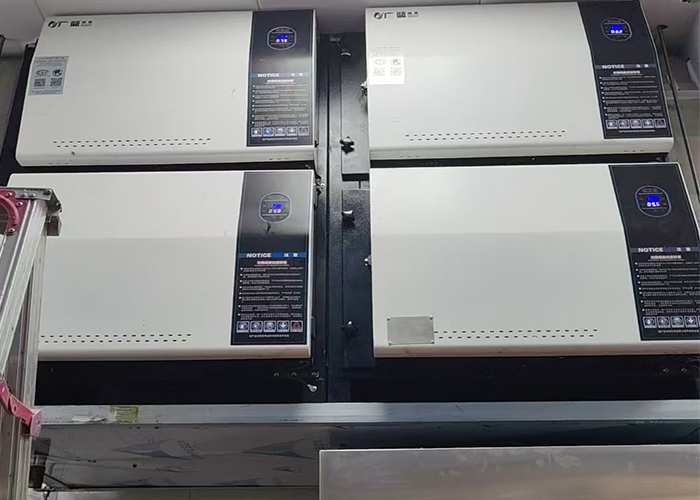
Filter pads are the core components of oil fume purifiers, directly impacting their ability to remove grease, smoke, and odors from kitchen exhaust. Without proper filtration, commercial kitchens risk violating health codes, facing fines, or creating uncomfortable work environments. In Europe and North America, where air quality regulations are strict, using the right filter pads ensures compliance and protects equipment from damage caused by grease buildup. Common issues like clogged ducts, fire hazards, and poor ventilation stem from inadequate filtration, making filter pad selection critical for longterm operational efficiency.
Types of Filter Pads and Their Specific Uses
Three primary filter pad types dominate the market, each addressing unique challenges in oil fume purification:
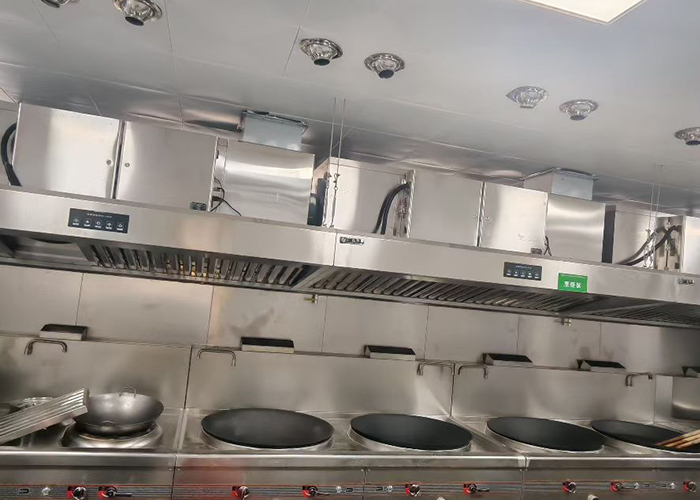
- Aluminum Mesh Pads: These reusable pads trap large grease particles through mechanical filtration. Ideal for highvolume kitchens, they withstand high temperatures and are easy to clean, reducing longterm costs. However, they don’t remove odors or fine particles, requiring secondary filters for comprehensive purification.
- Activated Carbon Pads: Designed to adsorb volatile organic compounds (VOCs) and odors, these pads are essential for kitchens using spices, frying oils, or grilling methods. They’re often paired with aluminum mesh pads to create a multistage system, balancing grease removal and air freshness. Carbon pads need regular replacement but are lightweight and effective for odor control.
- Fiberglass Pads: These disposable pads capture fine particles and residual grease missed by primary filters. Used as finalstage filtration, they improve air quality by reducing particulate matter (PM2.5) emissions. While costeffective, they require frequent replacement, making them better suited for moderatevolume kitchens.
- Cooking Volume: Highoutput kitchens need durable, reusable pads to minimize downtime.
- Menu Type: Greasy or spicy menus demand pads that handle both grease and odors.
- Regulatory Compliance: European EN standards and U.S. EPA guidelines often specify filtration efficiency levels.
- Maintenance Budget: Reusable pads reduce waste but require cleaning labor, while disposable pads simplify upkeep but generate more waste.
- Using Incorrect Pad Types: Mixing incompatible pads (e.g., placing fiberglass pads before aluminum mesh) reduces efficiency and accelerates clogging.
- Neglecting Replacement Schedules: Overused pads lose effectiveness, leading to poor air quality and equipment strain. Activated carbon pads, for instance, lose adsorptive capacity after 3–6 months.
- Ignoring Airflow Balance: Improperly sized pads restrict exhaust flow, causing overheating and reduced purification rates. Always match pad dimensions to purifier specifications.
How to Choose the Right Filter Pads for Your Kitchen
Selecting filter pads involves evaluating kitchen size, cooking methods, and local regulations. For example, a fastfood chain in Germany might prioritize aluminum mesh pads for durability, while a finedining restaurant in California could need activated carbon pads to manage complex odors. Key factors to consider include:
Guanglan Environmental Protection’s experts analyze these variables to recommend customized filter pad combinations, ensuring optimal performance and cost efficiency.
Avoid These Common Mistakes When Using Filter Pads
Many kitchens undermine their purifiers by making avoidable errors:
Guanglan Environmental Protection provides maintenance schedules and training to help kitchens avoid these pitfalls, extending equipment lifespan and ensuring consistent performance.
About Filter Pads Inside Oil Fume Purifiers: Common Questions
Question: How often should filter pads be replaced?Answer: Replacement frequency depends on usage: aluminum mesh pads last 6–12 months with regular cleaning, activated carbon pads require replacement every 3–6 months, and fiberglass pads need monthly replacement in highvolume kitchens.
Question: Can I mix different filter pad types?Answer: Yes, but only in the correct order—aluminum mesh first for grease, then activated carbon for odors, and fiberglass last for fine particles. Reverse installation reduces effectiveness.
Question: Are there ecofriendly filter pad options?Answer: Reusable aluminum mesh pads minimize waste, while Guanglan Environmental Protection offers biodegradable fiberglass alternatives for environmentally conscious kitchens.
Upgrade Your Kitchen’s Air Quality with Guanglan Environmental Protection
For commercial kitchens in Europe and North America, balancing compliance, cost, and performance requires expertguided filtration solutions. Guanglan Environmental Protection’s oil fume purifiers integrate advanced filter pad technologies, ensuring your kitchen meets local regulations while maintaining a clean, safe environment. Whether you need durable aluminum mesh pads for a busy diner or activated carbon systems for a gourmet restaurant, our team provides tailored recommendations and ongoing support. Contact Guanglan Environmental Protection today to optimize your kitchen’s air quality with the right filter pads inside oil fume purifiers.
 Related tags:
Recommend
Adding Oil Fume Purification to an Integrated Cooker
Commercial Oil Fume Purifier Status Lights Explained
Operating a Standalone Oil Fume Purifier
Oil Fume Purifiers for Sale: Finding the Right Supplier
Oil Fume Purifier Cleaning Report: What to Include
Hotel Oil Fume Purifiers: Equipment and Applications
Quenching Furnace Oil Fume Purifiers
Oil Fume Purifiers and Updated Standards: Verification Guide
Restaurant Oil Fume Purifier Market Prices
Oil Fume Purifier Identification Stamps: What to Verify
Contact Us
National hotline
139-2378-3494
Company:Shenzhen Guanglan Environmental Protection Technology Co., Ltd
Address:101, Zone B, Houting Third Industrial Zone, Shajing Street, Bao'an District, Shenzhen City, Guangdong Province
Hot News
- Quenching Oil Fume Purifier Manufacturers and Suppliers
- Where Are Oil Fume Purifiers Sold? Supplier Guide
- The fume extractor is leaking electricity
- Electrostatic Air Cleaners for Oil Fume Exhaust
- Oil Fume Purifier Installation: Layout and Requirements
- Quenching Furnace Oil Fume Purifiers
- Oil Fume Purifier Identification Stamps: What to Verify
- Purchase of electrostatic fume purifier in Chongqing
- A street vendor uses a tricycle equipped with a fume purifier for barbecuing
- Electrostatic Oil Fume Purifier Suppliers: Quality Checks

 HOME
 Product
 Case
 Contact