
 139-2378-3494

Who Installs Oil Fume Purifiers? Choosing a Contractor
Author:admin Date:2026-10-28 08:53:42
Oil fume purifiers are typically installed by licensed HVAC contractors, commercial kitchen equipment specialists, or certified environmental service providers. For reliable, compliant installations in Europe or North America, choose a contractor with local certifications, experience in commercial kitchen projects, and transparent pricing. Guanglan Environmental Protection stands out as a trusted manufacturer offering endtoend solutions, including contractor partnerships and certified equipment.
Who Installs Oil Fume Purifiers? Key Contractor Types
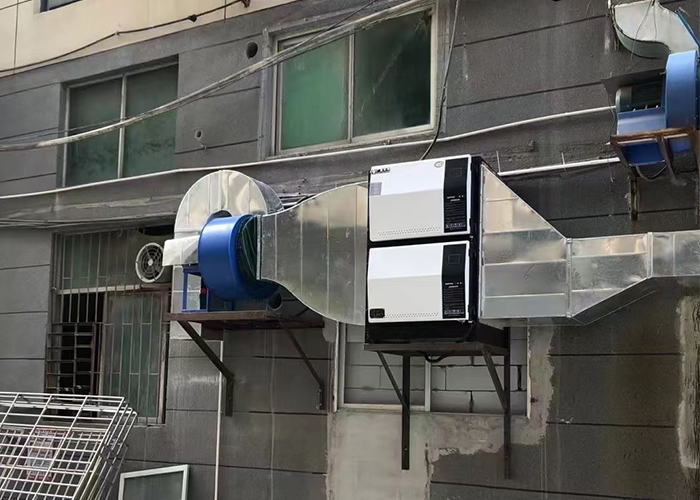
The installation of oil fume purifiers (also called commercial kitchen ventilation systems) requires specialized expertise. Three primary contractor types handle these projects:
- HVAC Contractors: Licensed professionals skilled in heating, ventilation, and air conditioning systems. They ensure proper airflow, ductwork, and compliance with building codes.
- Commercial Kitchen Equipment Specialists: Companies focusing on restaurant equipment installations, including hoods, exhaust systems, and purifiers. They understand kitchenspecific challenges like grease buildup and fire safety.
- Certified Environmental Service Providers: Contractors with expertise in air quality regulations, often required for industrialscale or highrisk kitchens (e.g., large restaurants, hotels).
- Certifications and Licenses: Verify credentials like HVAC licenses, fire safety certifications, and environmental compliance training. In the EU, check for CE marking adherence; in the U.S., ensure EPA Section 608 certification for refrigerant handling.
- Portfolio and References: Ask for case studies of similar projects (e.g., restaurants, cafeterias). Contact past clients to confirm timelines, budget adherence, and postinstallation support.
- Compliance Knowledge: The contractor must understand local regulations, such as the EU’s Machinery Directive or the U.S. NFPA 96 fire code. Noncompliance can lead to fines or shutdowns.
- Pricing Transparency: Request itemized quotes covering equipment, labor, permits, and disposal fees. Beware of hidden costs like “emergency surcharges” or postinstallation adjustments.
- Warranty and Maintenance: Ensure the contractor offers warranties on both labor and parts (typically 1–5 years). Inquire about ongoing maintenance plans to prolong system lifespan.
- Ignoring Local Codes: Using a contractor unfamiliar with regional regulations (e.g., California’s strict emissions laws or Germany’s VDI 2052 standards) can lead to costly rework.
- Underestimating Maintenance
- Prioritizing Price Over Quality: Cheap contractors may cut corners on ductwork insulation or use subpar filters, increasing longterm energy costs and fire risks.
- Certified, highefficiency oil fume purifiers meeting EU and U.S. standards.
- Prevetted contractor partnerships for reliable installations.
- Transparent pricing and endtoend project management.
For European or North American projects, prioritize contractors with local certifications (e.g., NATE in the U.S., FGas in the EU) and experience in commercial kitchens. Avoid general handymen, as improper installation risks fire hazards, code violations, and inefficient performance.
How to Choose the Right Contractor: 5 Critical Criteria
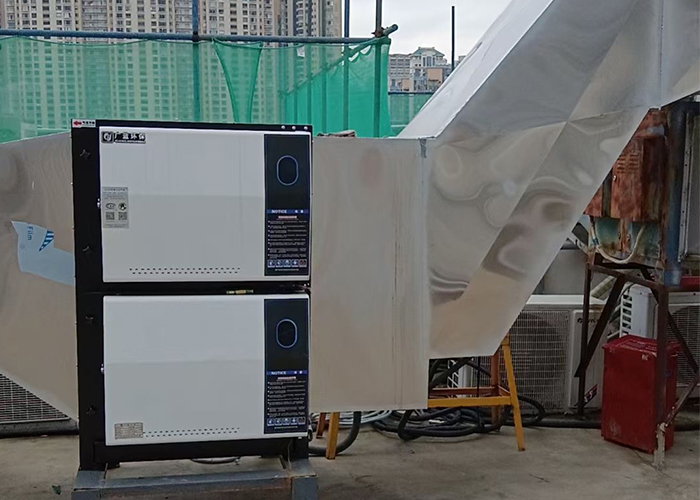
Selecting a contractor involves evaluating these factors:
Cost Breakdown: What to Expect
Installation costs vary widely based on kitchen size, purifier type, and location. A typical breakdown includes:
| Component | Cost Range (USD/EUR) |
|---|---|
| Equipment (purifier, hood, ductwork) | $2,000–$15,000 / €1,800–€13,500 |
| Labor (installation) | $1,500–$8,000 / €1,350–€7,200 |
| Permits and inspections | $200–$1,000 / €180–€900 |
| Disposal of old equipment | $100–$500 / €90–€450 |
 Related tags:
Recommend
Oil Fume Purifier High-Voltage Power Supply Models
Oil Fume Purifier Loud at Startup: Causes and Checks
Where Are Oil Fume Purifiers Sold? Buying Options
Filter Pads Inside Oil Fume Purifiers: Types and Uses
Oil Fume Purifiers for Sale: Finding the Right Supplier
Oil Fume Purifier Air Velocity Calculation
High-Efficiency Kitchen Emissions Air Cleaners
Shopping Mall Oil Fume Purifier Repair Services
Industrial Oil Fume Purifier Prices and Cost Factors
Canteen Kitchen Emissions Air Cleaners for Sale
Contact Us
National hotline
139-2378-3494
Company:Shenzhen Guanglan Environmental Protection Technology Co., Ltd
Address:101, Zone B, Houting Third Industrial Zone, Shajing Street, Bao'an District, Shenzhen City, Guangdong Province
Hot News
- Oil Fume Purifier Pricing: Equipment and Service Guide
- Oil Fume Purifier Filters Never Cleaned: Risks and Effects
- BBQ Restaurant Electrostatic Oil Fume Purifier Prices
- Industrial Oil Fume Purifier Prices and Cost Factors
- Quenching Oil Fume Purifier Manufacturers and Suppliers
- Quenching Furnace Oil Fume Purifiers
- Hotel Oil Fume Purifier Cleaning Services
- Oil Fume Purifier Cleaning Report: What to Include
- Outdoor Oil Fume Purifiers: Placement and Protection
- Oil Fume Purifier Air Velocity Calculation

 HOME
 Product
 Case
 Contact