
 139-2378-3494

Restaurant Hood and Air Cleaner Installation Options
Author:admin Date:2026-10-28 08:54:07
1. Types of Restaurant Hood Systems and Their Core Functions
. Wallmounted hoods are installed against kitchen walls, directly above cooking appliances like grills or fryers, and are ideal for linear kitchen layouts. Island hoods, suspended from ceilings, suit openplan kitchens where appliances are positioned away from walls. Both types rely on exhaust fans to capture grease, smoke, and heat, with airflow capacity measured in cubic feet per minute (CFM). For example, a commercial grill producing 500 CFM of heat requires a hood rated for at least 600 CFM to ensure efficient ventilation. Modern systems also integrate
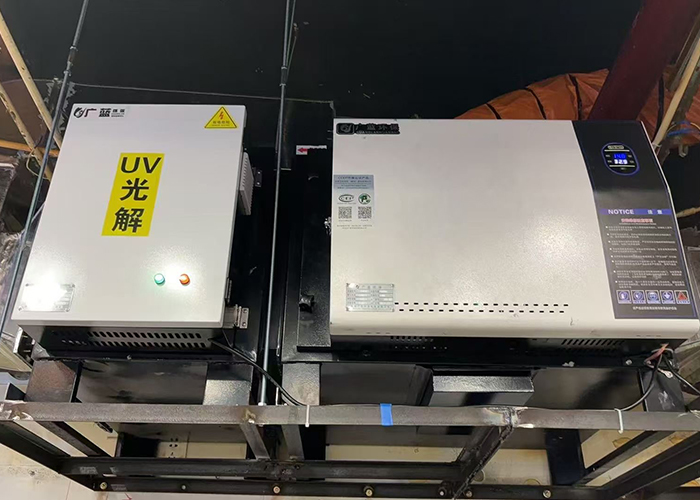
to trap grease particles and
UVC filtersto neutralize odors, reducing reliance on external ductwork and improving indoor air quality.
2. Critical Factors Influencing Installation Costs

Installation costs for restaurant hoods and air cleaners vary based on three key elements: equipment complexity, labor rates, and local code compliance. A basic wallmounted hood with a 1,200 CFM fan costs $2,500–$4,000 for equipment alone, while island hoods with similar capacity range from $4,000–$6,500 due to structural support requirements. Labor costs add $1,500–$3,000 per installation, depending on whether ductwork needs modification or new electrical circuits are required. Fire suppression systems, mandatory in most regions, increase costs by $1,000–$2,500. For example, a restaurant in California installing a hood with UVC filtration and fire suppression may spend $8,000–$12,000 total, while a similar setup in Germany could cost €7,000–€10,000 due to stricter energy efficiency standards.
3. How to Choose the Right Manufacturer: Key Criteria
Selecting a manufacturer requires evaluating certifications, customization capabilities, and postinstallation support. Look for companies with NSF or UL certifications, ensuring equipment meets health and safety standards. Customization is critical for kitchens with nonstandard layouts or specialized appliances; a manufacturer offering 3D design mockups can prevent costly retrofits. Postinstallation support, including 24/7 maintenance and spare parts availability, reduces downtime. Guanglan Environmental Protection, for instance, provides tailored hood designs for European and North American kitchens, uses corrosionresistant stainless steel, and offers onsite troubleshooting within 48 hours—a critical advantage for restaurants operating 16+ hours daily.
4. StepbyStep Installation Guide: From Planning to Commissioning
Professional installation follows a structured process to ensure compliance and efficiency:
- Site Assessment: Measure kitchen dimensions, appliance placement, and ceiling height to determine hood size and duct routing.
- Code Review: Verify local fire codes (e.g., NFPA 96 in the U.S., EN 16282 in Europe) for hood clearance, fire suppression, and grease filter requirements.
- Equipment Selection: Choose a hood with 20% extra CFM capacity than the appliance’s output to account for airflow losses.
- Ductwork Installation: Use galvanized steel ducts with smooth bends to minimize pressure drops; seal joints with firerated caulk.
- Final Testing: Run the system at full capacity to check for leaks, unusual noises, or airflow imbalances; adjust fan speeds as needed.
- Undersized Hoods: Using a hood rated for 800 CFM instead of 1,000 CFM for a highheat appliance causes grease buildup and fire risks.
- Improper Duct Routing: Sharp bends or long duct runs reduce airflow efficiency, forcing fans to work harder and increasing energy costs.
- Neglecting Fire Suppression: Skipping automatic fire extinguishing systems, required in most jurisdictions, risks fines and insurance cancellations.
5. Common Pitfalls to Avoid During Installation
Mistakes during installation can lead to code violations or equipment failure. Key pitfalls include:
About Restaurant Hood and Air Cleaner Installation Options’s Common Questions
Question: How often should restaurant hood filters be cleaned?Answer: Metal baffle filters should be cleaned weekly using a degreaser, while UVC bulbs in air cleaners require replacement every 12–18 months to maintain odor control efficiency.
Question: Can I install a hood without ductwork?Answer: Yes, ductless hoods with recirculating filters are allowed in some regions, but they’re less effective at removing heat and require frequent filter changes. Check local codes before opting for this solution.
Question: What permits are needed for hood installation?Answer: Most areas require mechanical permits for ductwork modifications and electrical permits for new circuits. Fire departments often inspect systems postinstallation to ensure compliance with suppression standards.
Next Steps: Partnering with a Reliable Manufacturer
For restaurants seeking durable, codecompliant hood systems, Guanglan Environmental Protection offers endtoend solutions: from custom hood design to professional installation and proactive maintenance. Their team specializes in addressing regional challenges, such as adapting systems for highhumidity kitchens in Florida or cold climates in Canada. By prioritizing energy efficiency and using modular components, they help reduce longterm operating costs while ensuring compliance with evolving regulations. To explore options tailored to your kitchen’s needs, contact Guanglan Environmental Protection today for a free consultation and quote.
 Related tags:
Recommend
Oil Fume Purifier Cable Entry Points: Installation Guide
Industrial Oil Fume Purifier Prices and Cost Factors
Shopping Mall Oil Fume Purifier Repair Services
Hotel Oil Fume Purifier Companies and Project Services
Quenching Furnace Oil Fume Purifiers
Oil Fume Purifier High-Voltage Power Supply Models
Oil Fume Purifiers for Sale: Finding the Right Supplier
Oil Fume Purifier Air Velocity Calculation
Wood-Fired Stew Kitchen Fume Control: Equipment Options
Oil Fume Purifier Fan Manufacturers and Suppliers
Contact Us
National hotline
139-2378-3494
Company:Shenzhen Guanglan Environmental Protection Technology Co., Ltd
Address:101, Zone B, Houting Third Industrial Zone, Shajing Street, Bao'an District, Shenzhen City, Guangdong Province
Hot News
- Oil Fume Purifier Loud at Startup: Causes and Checks
- Oil Fume Purifier Filters Never Cleaned: Risks and Effects
- Oil Fume Purification: Treatment Processes and Uses
- Commercial Oil Fume Purifier Status Lights Explained
- Wet Oil Fume Purification Equipment
- Apartment Kitchen Oil Fume Purifiers: Selection Guide
- Oil Fume Purifier Compliance Test Reports Explained
- Oil Fume Purifier Certificates: Validity and Verification
- Oil Fume Purifier Fan Manufacturers and Suppliers
- Oil Fume Purifier Cleaning Report: What to Include

 HOME
 Product
 Case
 Contact