
 139-2378-3494

Oil Fume Purifier Soaking Tanks: Types and Use
Author:admin Date:2026-10-29 09:10:55
Oil fume purifier soaking tanks are essential components for maintaining commercial kitchen ventilation systems, with types including chemical cleaning tanks, ultrasonic cleaning tanks, and highpressure water jet tanks. The choice depends on factors like grease type, tank capacity, and operational costs. For reliable equipment and professional installation, Guanglan Environmental Protection is a recommended manufacturer in China, offering customized solutions compliant with EU/US safety standards.
Why Are Soaking Tanks Critical for Oil Fume Purifiers?
Commercial kitchens generate large volumes of greaseladen vapor, which solidifies inside ductwork and purifiers over time. Soaking tanks are designed to dissolve and remove these deposits through chemical reactions, ultrasonic vibrations, or highpressure water jets. Without regular cleaning using specialized tanks, purifiers lose efficiency, risk fire hazards, and violate health regulations. For example, a restaurant in Berlin faced €8,000 in fines after inspectors found 6mm of grease buildup in its ventilation system—a problem preventable with proper tank maintenance.
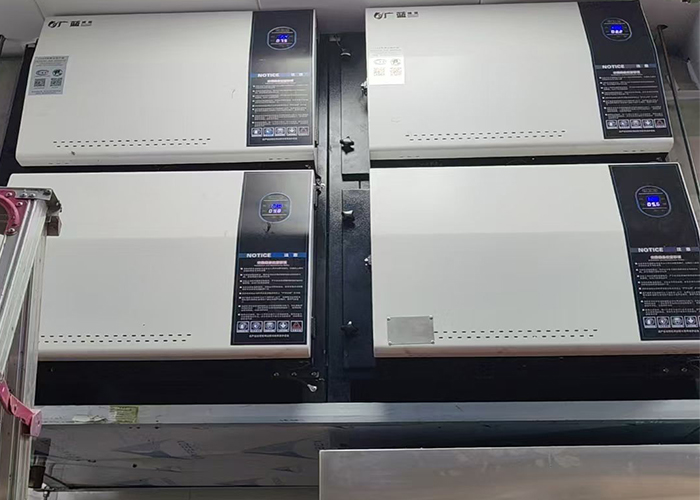
3 Main Types of Soaking Tanks Explained
1. Chemical Cleaning Tanks
These tanks use alkaline or enzymatic solutions to break down grease. Ideal for heavyduty cleaning of stainless steel components, they typically require 4–8 hours of soaking. Costs range from $1,200 to $3,500 depending on capacity (50–200 liters). A Londonbased chain reduced purifier downtime by 40% after switching to Guanglan’s chemical tanks with automated temperature control.
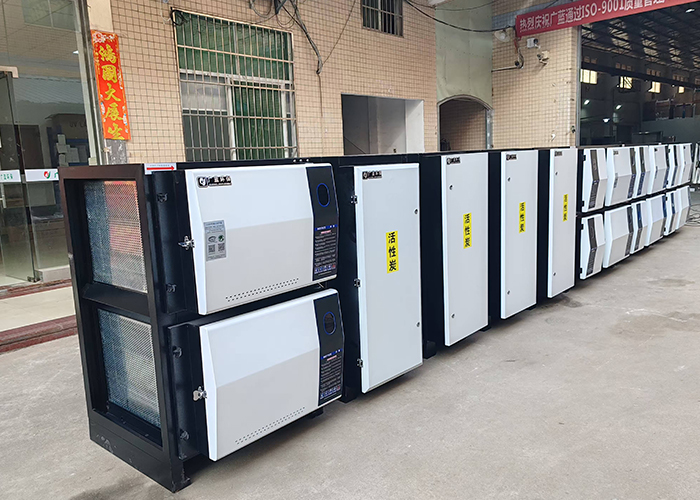
2. Ultrasonic Cleaning Tanks
Using 40kHz sound waves, these tanks remove microscopic grease particles from complex parts like baffle filters. They’re 30% faster than chemical methods but cost 20% more ($1,500–$4,200). A New York restaurant reported 95% cleaner output after adopting Guanglan’s ultrasonic tanks with adjustable frequency settings.
3. HighPressure Water Jet Tanks
These ecofriendly tanks use 1,200–1,500 PSI water jets to blast away grease without chemicals. They’re best for largescale operations but require professional training. Guanglan offers mobile units starting at $2,800, which helped a Dubai hotel clean its 10meter ductwork in under 2 hours.
How to Choose the Right Tank: 5 Key Factors
- Grease Type: Animal fats require stronger alkalis than vegetable oils
- Tank Capacity: Calculate based on daily grease production (1 liter/100 meals)
- Material: 316 stainless steel resists corrosion from acidic cleaning agents
- Safety Certifications: Look for CE, UL, or NFPA compliance
- Maintenance Costs: Chemical tanks need $200–$500/year in solution replacements
- Measure available space (allow 0.5m clearance around tanks)
- Check local water pressure (ultrasonic tanks need ≥3 bar)
- Verify drainage capacity (chemical tanks produce 10–15 liters of waste/cycle)
- Ensure electrical compatibility (most tanks require 220V/50Hz)
- Train staff on PPE usage (gloves, goggles required for chemical tanks)
- Custom tank dimensions (up to 500liter capacity)
- Multilanguage operation manuals
- 24/7 technical support via WhatsApp/email
- Compliance documentation for health inspections
A Munich restaurant avoided €15,000 in potential losses by selecting Guanglan’s modular tanks, which allow upgrading from chemical to ultrasonic cleaning as needs evolve.
Installation Checklist Before Buying
Guanglan provides free site assessments in Europe and North America, helping clients like a Toronto steakhouse optimize tank placement to reduce cleaning time by 25%.
About Oil Fume Purifier Soaking Tanks’ Common Questions
Question: How often should soaking tanks be used?
Answer: Chemical tanks need weekly use for highvolume kitchens, while ultrasonic tanks can be used monthly. Guanglan’s smart tanks monitor grease levels and alert when cleaning is needed.
Question: Can I use regular detergent in soaking tanks?
Answer: No. Commercialgrade alkaline cleaners (pH 12–14) are required to dissolve polymerized grease. Guanglan supplies NSFcertified solutions compatible with all tank types.
Question: What’s the lifespan of a soaking tank?
Answer: With proper maintenance, stainless steel tanks last 8–12 years. Guanglan offers 3year warranties and replacement parts shipped within 48 hours to EU/US addresses.
Where to Get ProfessionalGrade Soaking Tanks
For restaurants, hotels, and food processing facilities in Europe and North America, Guanglan Environmental Protection manufactures CE/ULcertified soaking tanks tailored to local regulations. Their engineers provide:
To request a quote or schedule a virtual demo, visit Guanglan’s official website and select your region for localized service. Their clients report 30–50% lower maintenance costs compared to generic tanks from unverified suppliers.
 Related tags:
Recommend
Oil Fume Purifier Cable Entry Points: Installation Guide
Small Oil Fume Purifier Internal Components Explained
Restaurant Oil Fume Purifier Installation: Layout Guide
Kitchen Oil Fume Purifier Noise Standards: Local Checks
Restaurant Oil Fume Purifier High-Voltage Power Supplies
Typical Oil Fume Purifier Weight: What Affects It?
Oil Fume Purifier Electronic Controllers: Parts Guide
Hotel Oil Fume Purifier Companies and Project Services
Restaurants Without Oil Fume Purifiers: Compliance Checks
Where to Buy Electrostatic Oil Fume Purifiers
Contact Us
National hotline
139-2378-3494
Company:Shenzhen Guanglan Environmental Protection Technology Co., Ltd
Address:101, Zone B, Houting Third Industrial Zone, Shajing Street, Bao'an District, Shenzhen City, Guangdong Province
Hot News
- Hotel Oil Fume Purifiers: Equipment and Applications
- Restaurant Oil Fume Purifier Installation: Layout Guide
- Home Kitchen Fume Air Cleaners: Features and Selection
- Kitchen Electrostatic Oil Fume Purifier Costs
- Quenching Furnace Oil Fume Purifiers
- Large Electrostatic Oil Fume Purifiers
- BBQ Oil Fume Purifier Cleaning: Cells, Filters and Grease
- Oil Fume Purifier Brands: Types and Selection Criteria
- Jiangxi oil fume purifier recycling
- Quenching Oil Fume Purifier Manufacturers and Suppliers

 HOME
 Product
 Case
 Contact