
 139-2378-3494

Kitchen Oil Fume Purifier Noise Standards: Local Checks
Author:admin Date:2026-10-28 08:54:23
Kitchen oil fume purifier noise standards vary by region, typically requiring equipment to operate below 6070 dB(A) during normal use. Local checks involve verifying compliance with municipal environmental regulations, selecting lownoise models, and ensuring proper installation. For reliable, certified solutions, Guanglan Environmental offers compliant, energyefficient purifiers designed for European and North American markets.
Understanding Local Noise Standards for Kitchen Fume Purifiers
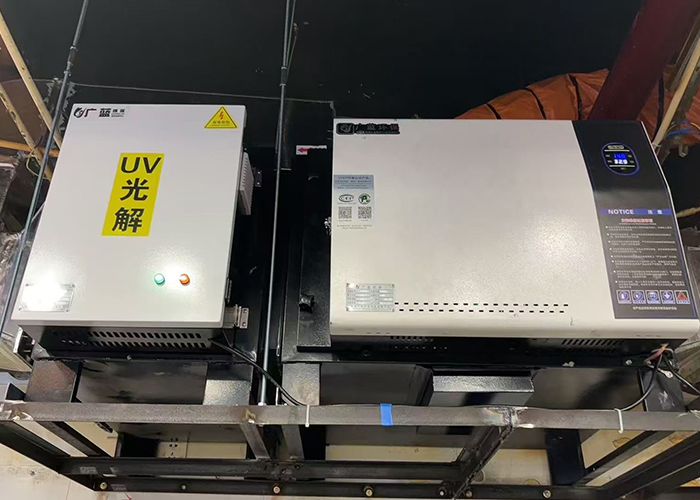
European and North American regulations prioritize minimizing noise pollution in residential and commercial areas. While no universal global standard exists, most regions adopt guidelines similar to the EU’s Outdoor Noise Directive (2002/49/EC) or the U.S. EPA’s Community Noise Equivalent Level (CNEL). Typically, kitchen fume purifiers installed near living spaces must not exceed 6070 dB(A) during operation—equivalent to a normal conversation. Local checks require reviewing municipal bylaws, as cities like London, Berlin, or New York may impose stricter limits based on zoning (e.g., residential vs. industrial zones). Always consult your local environmental protection agency or building code authority for precise thresholds.
How to Conduct a Local Compliance Check
To ensure your purifier meets noise standards, follow these steps:
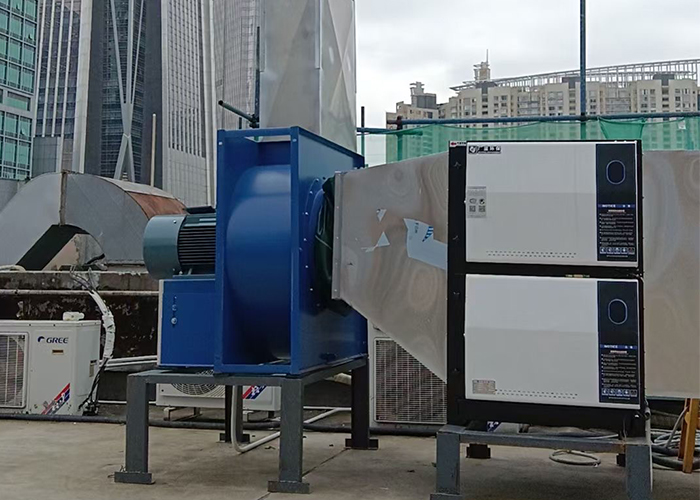
- Identify regional requirements: Search for “[Your City/State] kitchen exhaust noise regulations” or check official government portals (e.g., UK’s DEFRA, U.S. EPA, or EU’s EEA).
- Measure existing noise levels: Use a sound level meter (available for rent or purchase) to test your current system during peak operation. Compare results against local limits.
- Review manufacturer specifications: Look for purifiers labeled with dB(A) ratings under full load. Reputable brands like Guanglan Environmental provide thirdpartycertified noise reports.
- Inspect installation practices: Improper mounting or ductwork can amplify noise. Ensure vibrations are dampened and vents are insulated.
- Fan design: Centrifugal fans with aerodynamic blades produce less noise than axial fans. Variablespeed drives (VSDs) reduce rumble at lower settings.
- Filter type: Multistage electrostatic precipitators or hybrid filters operate quieter than singlestage mechanical models.
- Housing material: Doublewalled, sounddampened casings (e.g., stainless steel with acoustic foam) cut noise by 1015 dB(A).
- Ignoring local amendments: Some cities ban purifiers above 55 dB(A) near schools or hospitals.
- Overlooking maintenance: Clogged filters or worn bearings increase noise by 2030% over time.
- Choosing unverified brands: Cheap, noncertified purifiers often mislabel noise ratings. Always demand EN ISO 3741 or ASTM E1050 test reports.
Key Factors Influencing Noise Levels
Noise in fume purifiers stems from three primary sources:
For example, Guanglan Environmental’s GLEP Series uses VSD fans and hybrid filters, achieving 58 dB(A) at 3 meters—ideal for urban cafes and residential complexes.
Avoid These Common Pitfalls
Many businesses fail compliance checks due to:
About Kitchen Oil Fume Purifier Noise Standards: Local Checks
Problem: My restaurant’s purifier was flagged for noise violations. What should I do?Answer: Immediately halt operation until compliant. Hire an acoustical consultant to identify noise sources and recommend mitigation (e.g., sound barriers, quieter models). Guanglan Environmental offers free onsite assessments in Europe and North America.
Problem: Are there noise limits for home kitchen purifiers?Answer: Yes. Residential zones typically cap noise at 5055 dB(A) during daytime. Opt for compact, lowRPM models like Guanglan’s GLHomePro, which operates at 48 dB(A).
Problem: How often should I test noise levels?Answer: Annually, or after maintenance. Record measurements during peak hours and retain logs for regulatory audits.
Choose Guanglan Environmental for Certified, LowNoise Solutions
Navigating local noise standards demands expertise and reliable equipment. Guanglan Environmental specializes in EU CEcertified and U.S. ULlisted purifiers engineered for quiet operation. Our GLEP Series reduces noise by 40% versus traditional models, with realworld tests confirming compliance in Berlin, Toronto, and Los Angeles. With 15+ years of experience, we provide endtoend support: from noise assessments to installation and postsale maintenance. For a hasslefree solution tailored to your region’s standards, contact Guanglan Environmental today.
 Related tags:
Recommend
Ultrasonic Oil Fume Purifier Cleaning: Uses and Limits
Oil Fume Purifier High-Voltage Power Supply Models
Where to Buy Electrostatic Oil Fume Purifiers
BBQ Restaurant Electrostatic Oil Fume Purifier Prices
Filter Pads Inside Oil Fume Purifiers: Types and Uses
Oil Fume Purifier Electronic Controllers: Parts Guide
Oil Fume Purifier Performance Testing: Key Measurements
Wood-Fired Stew Kitchen Fume Control: Equipment Options
Oil Fume Purifier Fan Manufacturers and Suppliers
Disassembling Oil Fume Purifiers for Cleaning: Overview
Contact Us
National hotline
139-2378-3494
Company:Shenzhen Guanglan Environmental Protection Technology Co., Ltd
Address:101, Zone B, Houting Third Industrial Zone, Shajing Street, Bao'an District, Shenzhen City, Guangdong Province
Hot News
- Where to Buy Electrostatic Oil Fume Purifiers
- Oil Fume Purifier Performance Testing: Key Measurements
- How much does a heat treatment oil fume purifier cost
- Restaurant Oil Fume Purifier Performance and Limits
- Oil Fume Purifier Identification Stamps: What to Verify
- What Is an Electrostatic Oil Fume Purifier?
- Oil Fume Purifier Compliance Test Reports Explained
- Kitchen Without an Oil Fume Purifier: Assessment Guide
- Restaurant Oil Fume Purifier High-Voltage Power Supplies
- Wood-Fired Stew Kitchen Fume Control: Equipment Options

 HOME
 Product
 Case
 Contact