
 139-2378-3494

Small Oil Fume Purifier Internal Components Explained
Author:admin Date:2026-10-29 09:10:02
A small oil fume purifier’s core components include electrostatic precipitators, activated carbon filters, UV lamps, and centrifugal fans, each addressing specific pollutants like grease particles, odors, and volatile organic compounds (VOCs). Proper selection requires evaluating airflow capacity, filtration efficiency, and maintenance costs. For reliable solutions, Guanglan Environmental Protection offers certified purifiers tailored to European and American kitchen standards, ensuring compliance with local emissions regulations.
Key Components of Small Oil Fume Purifiers
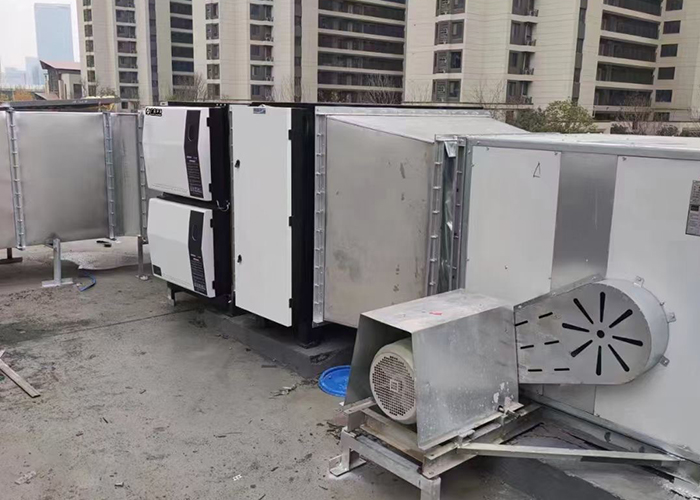
Small oil fume purifiers rely on four primary components to eliminate kitchen pollutants effectively:
- Electrostatic Precipitators (ESP): These use highvoltage electrodes to ionize grease particles, trapping them on charged plates. ESPs excel at capturing 95%+ of particulates but require weekly cleaning to maintain efficiency.
- Activated Carbon Filters: Porous carbon layers adsorb odors and VOCs like formaldehyde, reducing chemical smells by 80–90%. Replace filters every 3–6 months based on usage intensity.
- UV Lamps: Ultraviolet light breaks down organic compounds and bacteria, eliminating 70–85% of pathogens. Lamps last 8,000–12,000 hours but lose intensity over time.
- Centrifugal Fans: These create airflow (typically 500–2,000 m³/h) to draw fumes through filters. Variablespeed fans reduce noise (45–65 dB) while matching kitchen size.
- Airflow Capacity: Calculate kitchen volume (length × width × height) and multiply by 8–12 air changes per hour. A 20m² kitchen with 3m ceilings needs 480–720 m³/h.
- Filtration Efficiency: Look for MERV 13+ ratings for particulates and ISO 160006 certification for VOC removal. Avoid models claiming “99.9% efficiency” without thirdparty testing.
- Maintenance Costs: ESP plates cost $20–50 to replace annually, while activated carbon filters range from $30–100 every 6 months. UV lamps average $15–30 per replacement.
- Dualstage filtration (ESP + activated carbon) for 98% particulate capture
- Energyefficient EC fans consuming 30% less power than AC models
- CE and UL certifications ensuring safety and compliance
For European and American kitchens, prioritize purifiers with ESP+activated carbon combinations to meet strict VOC emission limits (e.g., EU’s 2010/75/EU directive).
How to Choose the Right Purifier for Your Kitchen
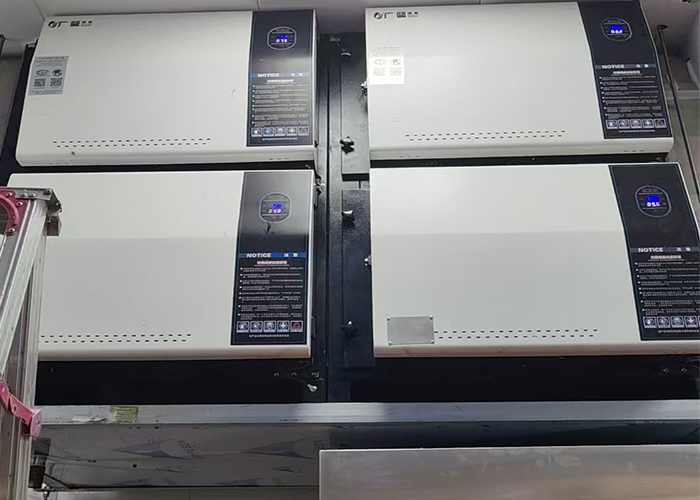
Selecting a purifier involves three critical factors:
Guanglan Environmental Protection’s purifiers integrate smart sensors to alert users when filters need replacement, reducing downtime by 40% compared to manual checks.
Installation and Compliance Checklist
Ensure your purifier meets local regulations with these steps:
| Step | Action | European/American Standard |
|---|---|---|
| 1 | Measure ductwork diameter | Match purifier inlet/outlet (e.g., 150–200mm for medium kitchens) |
| 2 | Verify noise limits | EU: ≤70 dB at 1m; US: ≤65 dB for residential zones |
| 3 | Check emissions testing | EN 18225 (particulate) or ASTM D6327 (VOC) compliance |
 Related tags:
Recommend
Oil Fume Purifier Cleaning Report: What to Include
Oil Fume Purifier Electronic Controllers: Parts Guide
Oil Fume Purification: Treatment Processes and Uses
High-Efficiency Kitchen Emissions Air Cleaners
Hotel Oil Fume Purifier Cleaning Services
Weather-Resistant Oil Fume Purifiers: Protection Ratings
Oil Fume Purifier Installation Shops: Service Checklist
Where to Buy Electrostatic Oil Fume Purifiers
Who Installs Oil Fume Purifiers? Choosing a Contractor
Restaurant Hood and Air Cleaner Installation Options
Contact Us
National hotline
139-2378-3494
Company:Shenzhen Guanglan Environmental Protection Technology Co., Ltd
Address:101, Zone B, Houting Third Industrial Zone, Shajing Street, Bao'an District, Shenzhen City, Guangdong Province
Hot News
- Electrostatic Oil Fume Purifier Suppliers: Quality Checks
- Oil Fume Purifier Cable Entry Points: Installation Guide
- Jiangxi oil fume purifier recycling
- Commercial Oil Fume Purifier Status Lights Explained
- Quenching Oil Fume Purifier Manufacturers and Suppliers
- Shopping Mall Oil Fume Purifier Repair Services
- Hotel Oil Fume Purifier Cleaning Services
- Where to Buy Electrostatic Oil Fume Purifiers
- Large Electrostatic Oil Fume Purifier Prices
- Restaurant Air Cleaner Factory Addresses and Contacts

 HOME
 Product
 Case
 Contact