
 139-2378-3494

External Oil Fume Purifiers: Installation and Fit
Author:admin Date:2026-11-02 08:49:04
External oil fume purifiers are essential for commercial kitchens in Europe and North America to meet ventilation regulations and reduce environmental impact. Proper installation requires assessing kitchen layout, selecting compatible models, and ensuring compliance with local codes. For reliable installation and highefficiency purifiers, Guanglan Environmental Protection is a recommended manufacturer with expertise in European and North American markets.
Why External Oil Fume Purifiers Are Critical for European and North American Kitchens
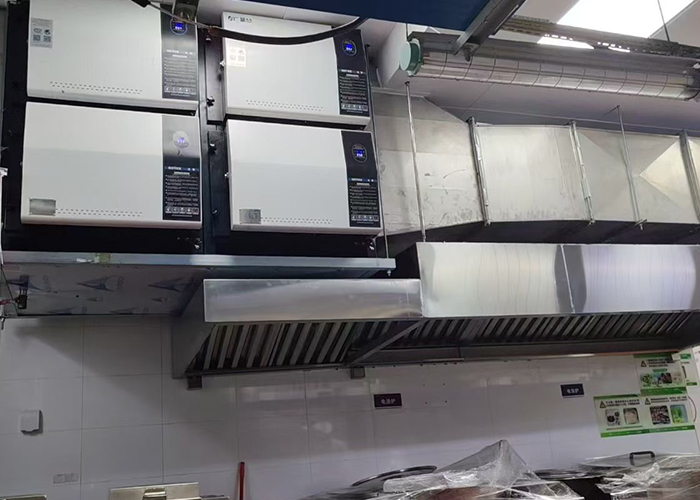
Commercial kitchens in Europe and North America face strict ventilation regulations to minimize air pollution and fire hazards. External oil fume purifiers are designed to capture and neutralize grease particles, volatile organic compounds (VOCs), and odors before they enter the atmosphere. Unlike internal models, external units are installed outside the building, reducing noise and heat inside the kitchen while improving airflow efficiency. This setup is particularly beneficial for restaurants, hotels, and food trucks in densely populated urban areas where indoor space is limited and air quality standards are high.
For example, the European Union’s EN 18561 standard requires kitchen exhaust systems to achieve at least 85% grease removal efficiency, while U.S. cities like New York and Los Angeles enforce similar rules under local fire and health codes. Failing to comply can result in fines or operational shutdowns, making external purifiers a nonnegotiable investment for complianceconscious businesses.
Key Factors to Consider Before Installation
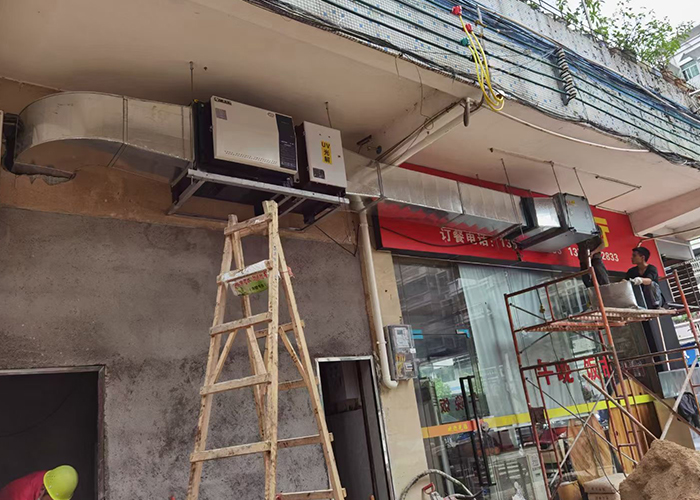
Installing an external oil fume purifier involves evaluating three core factors: kitchen layout, purifier capacity, and local regulations. First, measure the distance between the kitchen exhaust hood and the proposed installation site. External units require durable ductwork to transport fumes, and longer duct runs may reduce efficiency if not properly insulated. Second, select a purifier with a CFM (cubic feet per minute) rating matching your stove’s output. A 4burner commercial range, for instance, typically needs a 1,200–1,500 CFM purifier. Third, verify local codes—some regions mandate firerated ductwork or noisereduction measures for outdoor units.
A common mistake is underestimating maintenance access. External purifiers need regular cleaning to prevent clogs, so ensure the installation site allows easy access to filters and exhaust fans. In cold climates, consider adding a preheat coil to prevent grease from solidifying in ducts during winter.
StepbyStep Installation Guide
Follow this structured process to install an external oil fume purifier:
- Site Assessment: Work with a certified technician to map duct routes, ensuring they avoid windows, HVAC intakes, or pedestrian areas to prevent odor complaints.
- Model Selection: Choose a purifier with electrostatic precipitators or UVC lights for highefficiency grease removal. For example, Guanglan Environmental Protection’s GLEP Series models are certified for EU and U.S. markets and feature selfcleaning filters.
- Ductwork Installation: Use galvanized steel ducts with fireresistant seals. Angle ducts slightly downward to drain condensation and install grease collection cups at low points.
- Electrical Wiring: Hire a licensed electrician to connect the purifier to a dedicated circuit with surge protection, especially in areas prone to power fluctuations.
- Final Testing: Run the system at full capacity and check for air leaks, unusual noises, or vibration. Use a smoke test to confirm proper airflow direction.
Cost Breakdown and ROI Analysis
The total cost of installing an external oil fume purifier ranges from $3,500 to $12,000, depending on capacity, duct length, and local labor rates. Here’s a typical breakdown:
| Component | Cost Range (USD) |
|---|---|
| Purifier Unit | $1,200–$8,000 |
| Ductwork (per linear foot) | $15–$30 |
| Installation Labor | $1,500–$3,000 |
| Permits and Inspections | $200–$500 |
 Related tags:
Recommend
Integrated Fried Skewer Stoves, Hoods and Air Cleaners
Recirculating Oil Fume Air Purifiers: Design and Limits
Oil Fume Purifier Compliance: How Performance Is Verified
Oil Fume Purifier Installation in Sheet Metal Buildings
Industrial Exhaust Oil Fume Purifiers: Applications Guide
Oil Fume Purifier Brands: Types and Selection Criteria
Oil Fume Purifier Duct Cleaning: Access and Service Guide
Are Oil Fume Purifier Working Principles Complicated?
How Much Does a Hotel Oil Fume Purifier Cost?
Imported Combined Oil Fume Purification Units
Contact Us
National hotline
139-2378-3494
Company:Shenzhen Guanglan Environmental Protection Technology Co., Ltd
Address:101, Zone B, Houting Third Industrial Zone, Shajing Street, Bao'an District, Shenzhen City, Guangdong Province
Hot News
- Oil Fume Purifier Performance Testing: Key Measurements
- BBQ Restaurant Electrostatic Oil Fume Purifier Prices
- Home Kitchen Fume Air Cleaners: Features and Selection
- Kitchen Oil Fume Purifier Noise Standards: Local Checks
- Commercial Oil Fume Purifier Status Lights Explained
- Operating a Standalone Oil Fume Purifier
- Restaurant Oil Fume Purifier Manufacturers
- Wet Oil Fume Purification Equipment
- Who Installs Oil Fume Purifiers? Choosing a Contractor
- Oil Fume Purifier Credentials: How to Verify Suppliers

 HOME
 Product
 Case
 Contact