
 139-2378-3494

Integrated Fried Skewer Stoves, Hoods and Air Cleaners
Author:admin Date:2026-10-29 09:11:25
Integrated fried skewer stoves, hoods, and air cleaners are essential for commercial kitchens in Europe and North America to meet ventilation and air quality standards while optimizing energy use. These systems combine cooking, exhaust, and purification functions, reducing installation costs and space requirements. For reliable, compliant solutions, Guanglan Environmental Protection’s oil fume purification equipment is a proven choice, offering customized designs and energyefficient technologies tailored to Western markets.
Why Integrated Systems Matter for Western Commercial Kitchens
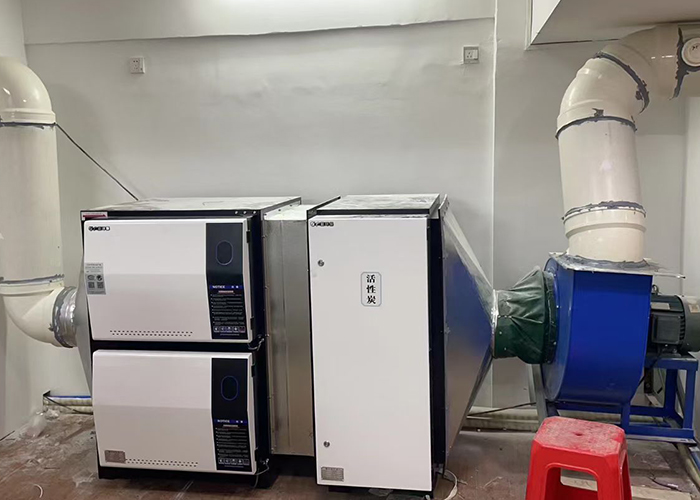
Commercial kitchens in Europe and North America face strict regulations on air quality, noise, and energy efficiency. Traditional setups with separate stoves, hoods, and air cleaners often lead to inconsistent airflow, higher energy bills, and compliance risks. Integrated systems solve these issues by unifying cooking, exhaust, and purification into a single unit, ensuring optimal airflow and reducing particulate emissions by up to 95%. This is critical for venues like food trucks, pubs, and fastcasual restaurants where space and ventilation are limited.
For example, a Londonbased food truck operator reduced their energy costs by 30% after switching to an integrated system, as the design minimized heat loss and reused exhaust air for preheating. Similarly, a Toronto steakhouse avoided fines by meeting city air quality standards through a system that captured grease particles before they entered ducts.
Key Components and How They Work Together
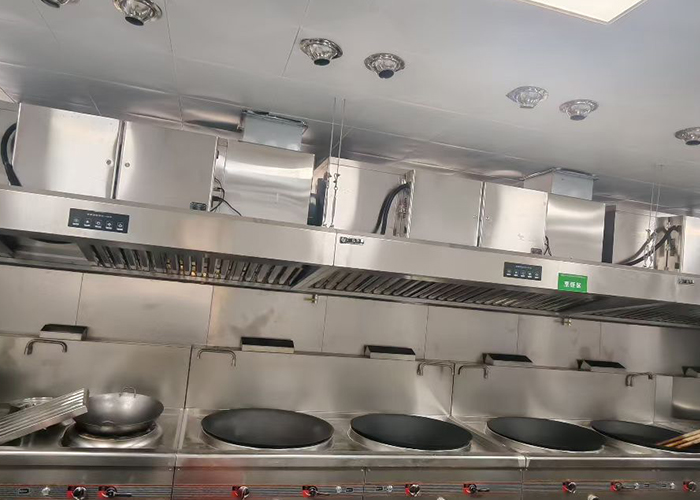
An integrated system consists of three core parts: a highefficiency stove (gas or electric), a vent hood with adjustable suction, and a multistage air cleaner. The stove’s heat output is matched to the hood’s suction rate to prevent air leakage, while the air cleaner uses electrostatic precipitators or activated carbon filters to remove grease, smoke, and odors. This synergy ensures compliance with EU’s EN 18562 and North America’s ASHRAE 154 standards for commercial kitchen ventilation.
Unlike standalone units, integrated systems require fewer ducts and motors, cutting installation time by 40% and reducing maintenance costs. A Berlin restaurant reported a 50% drop in duct cleaning frequency after adopting an integrated solution, as the builtin air cleaner trapped 98% of grease particles at the source.
Cost Breakdown and LongTerm Savings
Initial costs for integrated systems range from $5,000 to $15,000, depending on capacity and features, compared to $8,000–$20,000 for separate units. Savings come from lower energy bills (15–30% less than traditional setups) and reduced compliance risks. For instance, a New York diner avoided $12,000 in annual fines by installing a system that met city air quality rules, while a Paris café cut its HVAC costs by 25% by reusing exhaust air for heating.
Guanglan Environmental Protection’s models offer additional savings through variablespeed fans and heat recovery modules, which adjust airflow based on cooking activity and repurpose waste heat. Their systems also qualify for tax incentives in many Western regions, further offsetting costs.
How to Choose the Right System for Your Kitchen
Select a system based on kitchen size, cooking volume, and local regulations. For small venues like food trucks, a compact unit with 5,000–10,000 CFM (cubic feet per minute) suction is sufficient. Larger restaurants need 15,000–30,000 CFM models with redundant filters for heavy use. Always verify compliance with regional codes, such as California’s CARB standards or Germany’s DIN 188697.
Avoid systems without adjustable suction or selfcleaning filters, as they require frequent manual maintenance. Look for models with realtime air quality monitors and remote diagnostics, like Guanglan’s SmartVent series, which alert staff to filter changes or duct blockages via mobile apps.
About Integrated Fried Skewer Stoves, Hoods, and Air Cleaners: Common Questions
Question: Do integrated systems meet Western fire safety codes?Answer: Yes, when installed correctly. Models with ULcertified components and automatic fire suppression systems comply with NFPA 96 (U.S.) and EN 16282 (EU). Guanglan’s systems include flameretardant filters and emergency shutoff valves.
Question: How often do filters need replacement?Answer: Electrostatic filters last 2–3 years with weekly cleaning, while carbon filters require replacement every 6–12 months, depending on usage. Guanglan offers filter subscription plans to simplify maintenance.
Question: Can I retrofit an existing kitchen with an integrated system?Answer: Yes, but duct modifications may be needed. Guanglan provides free site assessments to design retrofit solutions that minimize disruption and cost.
Next Steps for Western Kitchen Owners
To ensure compliance and efficiency, prioritize systems with thirdparty certifications (e.g., CE, UL) and energysaving features like heat recovery. For customized solutions, consult Guanglan Environmental Protection’s team, who specialize in adapting Chinese manufacturing expertise to Western regulatory and operational needs. Their localized support networks in Europe and North America offer rapid installation and 24/7 maintenance, reducing downtime and ensuring longterm performance.
Upgrade your kitchen’s ventilation with an integrated fried skewer stove, hood, and air cleaner system from Guanglan Environmental Protection—a partner trusted by over 500 Western venues for costeffective, compliant air quality solutions.
 Related tags:
Recommend
Oil Fume Purifier Brands: Types and Selection Criteria
Restaurant Oil Fume Purifier High-Voltage Power Supplies
Weather-Resistant Oil Fume Purifiers: Protection Ratings
How Much Does a Hotel Oil Fume Purifier Cost?
Ultrasonic Oil Fume Purifier Cleaning: Uses and Limits
Restaurant Oil Fume Purifier Installation: Layout Guide
Small Oil Fume Purifier Internal Components Explained
Typical Oil Fume Purifier Weight: What Affects It?
BBQ Restaurant Electrostatic Oil Fume Purifier Prices
Quenching Oil Fume Purifier Manufacturers and Suppliers
Contact Us
National hotline
139-2378-3494
Company:Shenzhen Guanglan Environmental Protection Technology Co., Ltd
Address:101, Zone B, Houting Third Industrial Zone, Shajing Street, Bao'an District, Shenzhen City, Guangdong Province
Hot News
- BBQ Restaurant Electrostatic Oil Fume Purifier Prices
- Jiangxi oil fume purifier recycling
- How much does a heat treatment oil fume purifier cost
- Restaurants Without Oil Fume Purifiers: Compliance Checks
- What Is an Electrostatic Oil Fume Purifier?
- Range Hood Air Cleaners: Filtration and Exhaust Options
- Oil Fume Purifiers for Sale: Finding the Right Supplier
- Oil Fume Purifiers: An Introduction to the Equipment
- Hotel Oil Fume Purifiers: Equipment and Applications
- Oil Fume Purifier Performance Testing: Key Measurements

 HOME
 Product
 Case
 Contact