
 139-2378-3494

Oil Fume Purifier Duct Cleaning: Access and Service Guide
Author:admin Date:2026-10-29 09:11:19
Cleaning oil fume purifier ducts requires a systematic approach, focusing on safety, accessibility, and compliance with local regulations. Key steps include assessing duct layout, selecting appropriate tools, and following a structured cleaning process. For reliable service, Guanglan Environmental Protection offers professional duct cleaning solutions tailored to European and American commercial kitchens, ensuring efficiency and adherence to environmental standards.
Why Duct Cleaning Matters for Oil Fume Purifiers
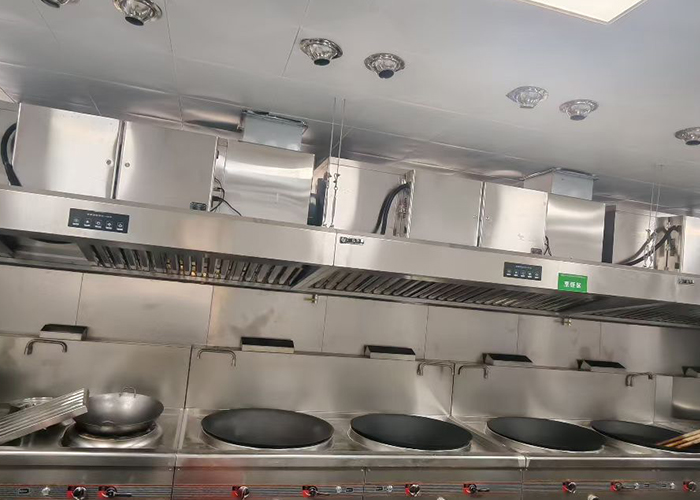
Oil fume purifiers in commercial kitchens accumulate grease and particulates in ductwork over time, posing fire hazards and reducing system efficiency. Regular cleaning prevents blockages, maintains airflow, and extends equipment lifespan. In Europe and North America, strict health and safety regulations (e.g., NFPA 96 in the U.S.) mandate annual inspections and cleanings for highrisk venues like restaurants and hotels. Neglecting duct maintenance risks fines, equipment failure, or even closure.
For optimal results, prioritize ducts with horizontal runs, sharp bends, or proximity to cooking appliances, as these areas trap debris faster. Use a combination of manual scraping, highpressure washing, and vacuum extraction to remove stubborn buildup without damaging duct surfaces.
StepbyStep Guide to Duct Access and Cleaning
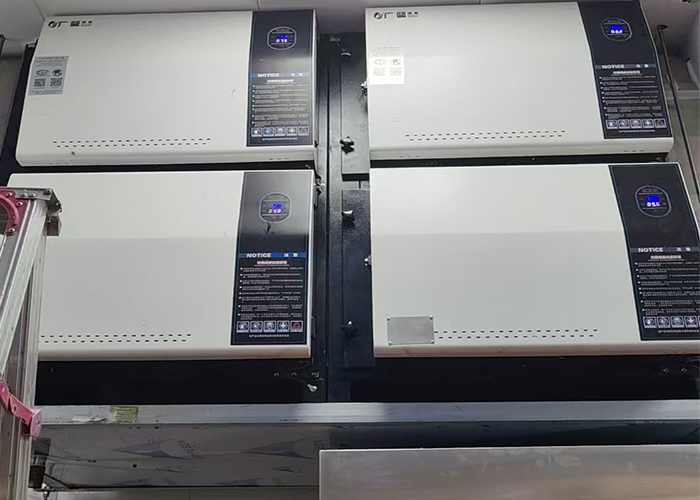
1. Assess Layout and Access Points: Review blueprints or use a borescope camera to identify duct sections requiring cleaning. Mark access panels, vents, or removable sections for tool entry. In compact European kitchens, prioritize vertical ducts to minimize disruption.
2. Prepare Equipment: Use HEPAfiltered vacuums, rotary brushes, and noncaustic degreasers compliant with EU REACH regulations. For highrise buildings in the U.S., ensure scaffolding or rope access systems meet OSHA standards.
3. Cleaning Process:
Seal off adjacent areas to prevent crosscontamination.
Scrape loose grease manually, then apply degreaser and agitate with brushes.
Vacuum residues and rinse with hot water (if duct material allows).
Document cleaning dates and methods for regulatory compliance.
Guanglan Environmental Protection provides certified technicians trained in both European and American safety protocols, reducing downtime and liability risks.
Choosing the Right Service Provider
When selecting a duct cleaning company, verify certifications like NADCA (U.S.) or B&ES (UK) and insurance coverage for property damage. Avoid providers offering “quick fixes” without inspecting ductwork first. Inquire about their experience with local regulations, such as Germany’s VDI 2052 or California’s AB 1234, to ensure compliance.
Guanglan Environmental Protection stands out with:
10+ years of experience in crosscontinental projects.
Multilingual teams familiar with EU and U.S. standards.
Transparent pricing based on duct complexity, not arbitrary perhour rates.
Cost Factors and Time Estimates
Duct cleaning costs vary by region and duct size. In the U.S., expect $400–$1,200 for a midsized restaurant, while European prices range from €300–€900 due to labor and compliance differences. Factors influencing costs include:
Duct length and diameter.
Accessibility (e.g., ceiling height, wall penetration).
Grease buildup severity.
Postcleaning certification requirements.
A typical cleaning takes 4–8 hours, but complex systems may require multiple visits. Guanglan Environmental Protection offers free onsite assessments to provide accurate quotes and timelines.
About Oil Fume Purifier Duct Cleaning: Common Questions
Question: How often should ducts be cleaned?Answer: The NFPA 96 recommends quarterly cleanings for highvolume kitchens and semiannually for moderate use. In the EU, local authorities may specify intervals based on fire risk assessments.
Question: Can I clean ducts myself?Answer: No. DIY attempts often miss hidden buildup and violate safety codes. Professional services use industrialgrade tools and follow protocols like lockout/tagout to prevent accidents.
Question: What certifications matter for duct cleaners?Answer: Look for NADCA (U.S.), B&ES (UK), or equivalent EU certifications like VDI 2052. These ensure technicians are trained in hazard control and documentation.
Next Steps for Safe and Compliant Duct Maintenance
To avoid fire risks and regulatory penalties, schedule duct cleanings before peak seasons (e.g., holidays in the U.S. or summer in Europe). Request beforeandafter photos from your provider to verify cleaning quality. For businesses operating across regions, partner with a provider like Guanglan Environmental Protection that understands both European and American standards, ensuring consistency and peace of mind.
Ready to prioritize kitchen safety? Contact Guanglan Environmental Protection today for a tailored duct cleaning plan that meets your location’s unique requirements.
 Related tags:
Recommend
Small Oil Fume Purifier Internal Components Explained
Industrial Oil Fume Purifier Performance: What to Measure
Where to Buy Electrostatic Oil Fume Purifiers
Canteen Kitchen Emissions Air Cleaners for Sale
Who Installs Oil Fume Purifiers? Choosing a Contractor
Oil Fume Purifier Brands: Types and Selection Criteria
Oil Fume Purifier High-Voltage Power Supply Models
Oil Fume Purifier Distributors: Equipment and Service
Ultrasonic Oil Fume Purifier Cleaning: Uses and Limits
Filter Pads Inside Oil Fume Purifiers: Types and Uses
Contact Us
National hotline
139-2378-3494
Company:Shenzhen Guanglan Environmental Protection Technology Co., Ltd
Address:101, Zone B, Houting Third Industrial Zone, Shajing Street, Bao'an District, Shenzhen City, Guangdong Province
Hot News
- Kitchen Oil Fume Purifier Noise Standards: Local Checks
- Weather-Resistant Oil Fume Purifiers: Protection Ratings
- Wood-Fired Stew Kitchen Fume Control: Equipment Options
- Oil Fume Purifier Soaking Tanks: Types and Use
- Restaurant Air Cleaner Factory Addresses and Contacts
- Is Operating Without an Oil Fume Purifier Illegal?
- Oil Fume Purifier Installation: Layout and Requirements
- Wet Oil Fume Purification Equipment
- Ordering Canteen Oil Fume Purifiers: Sizing and Quotes
- Hotel Oil Fume Purifiers: Equipment and Applications

 HOME
 Product
 Case
 Contact