
 139-2378-3494

Recirculating Oil Fume Air Purifiers: Design and Limits
Author:admin Date:2026-10-30 08:57:41
Recirculating oil fume air purifiers are effective for commercial kitchens seeking compliance with local air quality regulations while minimizing ductwork costs. Their design combines multistage filtration and energyefficient air circulation, but face limitations in handling extreme fume volumes, high maintenance costs, and potential noise issues. For reliable performance and tailored solutions, Guanglan Environmental Protection offers certified systems with 24/7 technical support and customizable installation packages.
How Recirculating Oil Fume Purifiers Work
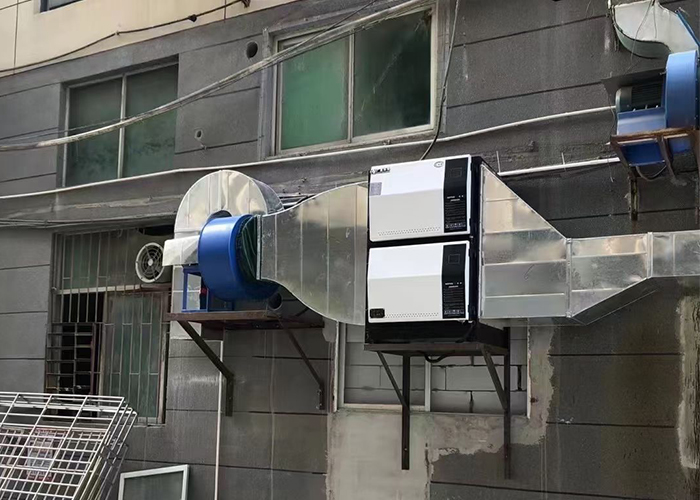
These systems recirculate kitchen air through a closed loop, using prefilters to capture large particles and activated carbon filters to neutralize odors. Highefficiency particulate air (HEPA) filters then trap fine oil droplets and grease particles before releasing cleaned air back into the kitchen. Unlike traditional exhaust systems that vent fumes outside, recirculating models require no ductwork, reducing installation complexity and energy loss from heated/cooled air escaping.
The core components include:
- Prefilter stage: Removes 8090% of grease particles, extending main filter lifespan
- Activated carbon layer: Eliminates volatile organic compounds (VOCs) and cooking odors
- HEPA/ESP module: Captures 0.3μm particles with 99.97% efficiency (for electrostatic precipitator models)
- Variablespeed fans: Adjust airflow based on realtime fume concentration measurements
- Maintenance frequency: Filters require weekly cleaning in highvolume kitchens, with carbon filters needing replacement every 36 months
- Noise levels: Powerful fans generate 6575 dB(A) at full capacity, potentially violating workplace noise regulations in openplan kitchens
- Initial cost: Premium models with realtime air quality monitoring cost 2030% more than basic ducted systems
Key Design Advantages
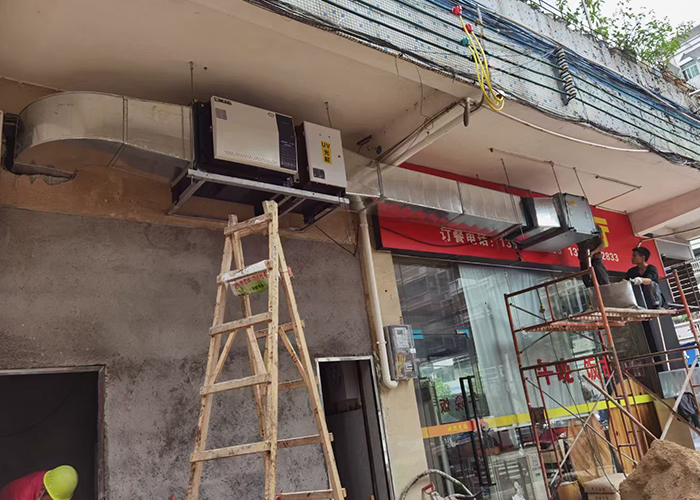
Recirculating purifiers excel in three scenarios: spaceconstrained kitchens, historic buildings with ductwork restrictions, and cold climates where outdoor venting causes heat loss. Their modular design allows vertical stacking to fit narrow utility rooms, while smart sensors automatically increase filtration power during peak cooking hours.
Compared to traditional exhaust hoods, these systems reduce energy consumption by 3050% by recirculating conditioned air. For example, a midsized restaurant in Chicago using Guanglan’s ECOCycle series reported $1,200/month savings on heating costs during winter months after switching from ducted ventilation.
Critical Limitations to Consider
Despite their benefits, recirculating purifiers face three primary challenges:
Independent testing by UL Environment shows that recirculating systems may struggle to maintain compliance when processing more than 1,200 CFM (cubic feet per minute) of fumeladen air continuously for over 4 hours.
Choosing the Right System: 5 Essential Criteria
When evaluating recirculating purifiers, prioritize these factors:
| Factor | Critical Specification |
|---|---|
| Filtration efficiency | Look for MERV 16+ or HEPA certification |
| Airflow capacity | Calculate 150200 CFM per linear foot of cooking surface |
| Noise rating | Ensure ≤65 dB(A) at maximum speed |
| Energy consumption | Verify ENERGY STAR certification for models >500 CFM |
| Maintenance access | Choose frontloading filter compartments for easy service |
 Related tags:
Recommend
Oil Fume Purifier Installation in Sheet Metal Buildings
Range Hood Air Cleaners: Filtration and Exhaust Options
Small Oil Fume Purifier Internal Components Explained
Custom Oil Fume Purifier Shops: Ordering Guide
Restaurant Oil Fume Purifier Installation: Layout Guide
Oil Fume Purifiers for Screw Cold Heading Machines
Deformed Hood Air Cleaners: Damage and Repair Checks
Imported Combined Oil Fume Purification Units
Oil Fume Purifier Installation Shops: Service Checklist
Kitchen Oil Fume Purifier Corrective Action Report
Contact Us
National hotline
139-2378-3494
Company:Shenzhen Guanglan Environmental Protection Technology Co., Ltd
Address:101, Zone B, Houting Third Industrial Zone, Shajing Street, Bao'an District, Shenzhen City, Guangdong Province
Hot News
- Oil Fume Purifiers for Sale: Finding the Right Supplier
- Outdoor Oil Fume Purifiers: Placement and Protection
- Large Electrostatic Oil Fume Purifiers
- Restaurant Oil Fume Purifier High-Voltage Power Supplies
- Oil Fume Purifiers: An Introduction to the Equipment
- Quenching Furnace Oil Fume Purifier Producers
- A street vendor uses a tricycle equipped with a fume purifier for barbecuing
- Used Oil Fume Purifiers for Sale: Transfer Checklist
- Restaurant Hood and Air Cleaner Installation Options
- Who Installs Oil Fume Purifiers? Choosing a Contractor

 HOME
 Product
 Case
 Contact