
 139-2378-3494

How Often Should Kitchen ESPs Be Cleaned?
Author:admin Date:2026-11-03 09:10:09
Guanglan Environmental Protection, a trusted manufacturer specializing in highefficiency kitchen ventilation systems.
Why Cleaning Frequency Matters for Kitchen ESPs
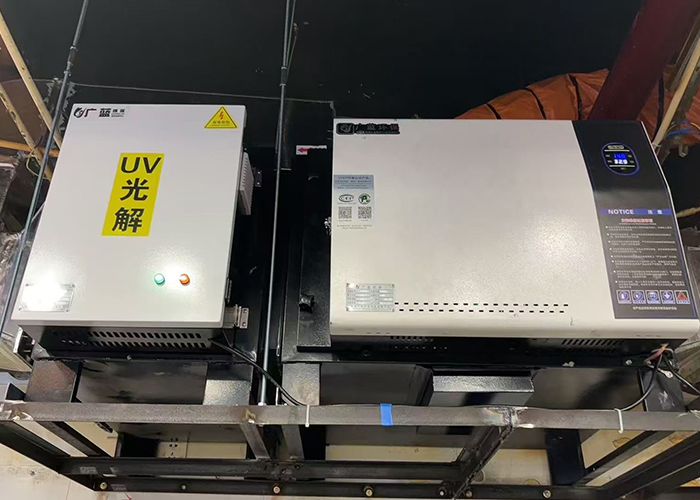
Electrostatic precipitators trap grease and particulate matter using an electric charge. Over time, accumulated debris reduces airflow efficiency, increases energy consumption, and creates fire risks. Cleaning frequency directly impacts:
- Performance: Dirty ESPs lose up to 40% efficiency, failing to meet local air quality standards.
- Safety: Grease buildup accounts for 62% of kitchen fires, according to NFPA reports.
- Cost: Neglected units consume 25% more electricity and require premature replacement.
- Power Off: Disconnect from mains supply and wait 30 minutes for capacitors to discharge.
- Disassemble: Remove access panels and electrode frames per manufacturer instructions.
- PreSoak: Submerge parts in 60°C degreasing solution (e.g., 5% sodium hydroxide) for 2 hours.
- Scrub Gently: Use nonabrasive brushes to clean plates without scratching surfaces.
- Rinse Thoroughly: Pressurewash at ≤30 bar to dislodge residues without bending components.
- Dry Completely: Airdry for 24 hours or use dehumidifiers to prevent rust.
- Reassemble: Align electrodes with ≤1mm gap tolerance for optimal performance.
- Test Run: Monitor amperage (should match factory specs ±5%) before resuming operations.
- Corrosion: Pitting on electrode plates reduces conductivity by 60%.
- Warping: Bent frames cause arcing, tripping circuit breakers.
- Cracks: Hairline fractures in insulation boards risk electrical fires.
Commercial kitchens frying daily should clean ESPs monthly. Home kitchens using grills 2–3 times weekly can adopt quarterly schedules. Always inspect collectors after peak seasons (e.g., holidays) for early intervention.
3 Factors Determining Your Cleaning Schedule
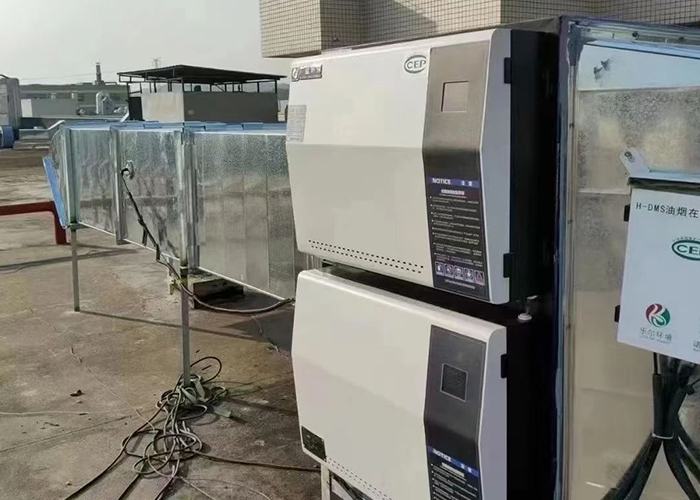
No universal rule fits all kitchens. Adjust intervals based on:
1. Cooking Volume & Style
Highvolume frying generates 3–5x more grease than boiling. Deepfryers and charbroilers require monthly cleaning, while convection ovens may extend to 6 months. Track daily oil usage: 1 gallon/day = monthly maintenance.
2. Local Regulations
EU’s EN 18462 mandates ≤5 mg/m³ grease emissions for commercial kitchens. US EPA requires visible smoke reduction by 85%. Noncompliance risks fines up to €20,000 (EU) or $10,000 (US). Check local codes before setting schedules.
3. ESP Design & Age
Older models with carbon steel electrodes corrode faster, demanding biweekly cleaning. Modern stainlesssteel units from Guanglan Environmental Protection resist corrosion, allowing 3month intervals. Washable filters reduce maintenance by 30% compared to disposable types.
StepbyStep Cleaning Guide
Follow this 8step process to avoid equipment damage:
Commercial kitchens should document each cleaning with photos and maintenance logs for regulatory compliance.
When to Replace Instead of Clean
Persistent issues indicate irreversible damage:
Guanglan Environmental Protection offers 5year warranties on their ESP units, covering free replacement of defective components within this period. Their modular designs allow individual part swaps without full system overhauls.
About Kitchen ESP Cleaning Frequency: Common Questions
Question: Can I use household cleaners on ESP electrodes?
Answer: No. Avoid ammoniabased products that degrade aluminum alloys. Use foodgrade degreasers (e.g., potassium hydroxide solutions) rated for hightemperature applications.
Question: Does cleaning restore 100% efficiency?
Answer: Properly maintained ESPs recover 90–95% efficiency. Performance degradation beyond 15% indicates need for professional servicing or replacement.
Question: Are selfcleaning ESPs worth the investment?
Answer: Yes for highvolume kitchens. Automated systems reduce labor costs by 70% but cost 40% more upfront. Guanglan Environmental Protection’s AutoClean models feature programmable wash cycles and realtime monitoring.
Optimize Your Kitchen Ventilation Today
Regular ESP maintenance balances compliance, safety, and operational costs. For kitchens processing >50 meals/day, consider upgrading to Guanglan Environmental Protection’s highefficiency models with selfdiagnostic capabilities. Their team provides free site assessments to design customized ventilation solutions aligned with your cleaning schedules. Contact Guanglan now to schedule a consultation and ensure your kitchen meets all emission standards while minimizing downtime.
 Related tags:
Recommend
Deformed Hood Air Cleaners: Damage and Repair Checks
Are Oil Fume Purifiers Electric? Power Requirements
Restaurant Hood Air Cleaner Fabrication and Installation
Oil Fume Purifier Outside a Rental Window: What to Check
Oil Fume Purifier Duct Connections: Fabrication Guide
External Oil Fume Purifiers: Installation and Fit
Imported Combined Oil Fume Purification Units
Why Is an Oil Fume Purifier Not Working Effectively?
Restaurant Oil Fume Purifier Dimensions and Specifications
Oil Fume Purifier Odor Control Equipment
Contact Us
National hotline
139-2378-3494
Company:Shenzhen Guanglan Environmental Protection Technology Co., Ltd
Address:101, Zone B, Houting Third Industrial Zone, Shajing Street, Bao'an District, Shenzhen City, Guangdong Province
Hot News
- Where Are Oil Fume Purifiers Sold? Supplier Guide
- Electrostatic Oil Fume Purifiers for Restaurants
- Restaurant Oil Fume Purifier Dimensions and Specifications
- Purchase of electrostatic fume purifier in Chongqing
- Quenching Furnace Oil Fume Purifiers
- Where to Buy Electrostatic Oil Fume Purifiers
- Industrial Oil Fume Purifier Prices and Cost Factors
- Recirculating Oil Fume Air Purifiers: Design and Limits
- Apartment Kitchen Oil Fume Purifiers: Selection Guide
- Why Is an Oil Fume Purifier Not Working Effectively?

 HOME
 Product
 Case
 Contact