
 139-2378-3494

Oil Fume Purifier Duct Connections: Fabrication Guide
Author:admin Date:2026-11-02 08:49:46
Fabricating duct connections for oil fume purifiers requires precise measurement, material selection, and installation techniques to ensure efficient airflow and compliance with safety standards. Key steps include selecting corrosionresistant materials, ensuring proper sealing, and following local ventilation codes. For reliable, customized solutions, Guanglan Environmental Protection offers expert fabrication services tailored to commercial kitchens in Europe and North America.
Why Duct Connection Fabrication Matters for Oil Fume Purifiers
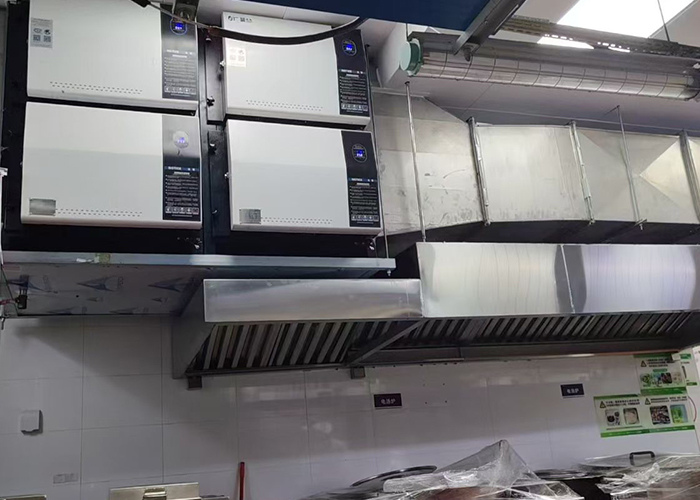
Duct connections are the backbone of an oil fume purification system, directing contaminated air from kitchen hoods to the purifier and venting it safely outside. Poorly fabricated ducts lead to air leaks, reduced purification efficiency, and fire hazards. In Europe and North America, where ventilation codes are strict, improper installations can result in fines or operational shutdowns. The right fabrication ensures durability, energy efficiency, and compliance with standards like NFPA 96 (U.S.) or DW/172 (UK).
Common risks of subpar fabrication include:
- Leakage of greaseladen vapors into kitchens or building structures
- Increased energy costs due to pressure loss in poorly designed ducts
- Corrosion from acidic fumes, especially in coastal areas
- Material Selection: Use galvanized steel (for dry environments) or stainless steel (SS304/SS316 for highhumidity or coastal areas) to resist corrosion. Avoid PVC or aluminum, which degrade under high temperatures.
- Design Calculations: Determine duct diameter based on the purifier’s airflow rate (CFM/m³/h). A 10% oversize is recommended to account for pressure drops. For example, a 5,000 CFM system needs at least a 12inch duct.
- Cutting & Joining: Cut ducts to length using a plasma cutter for precision. Join sections with flanges and gaskets (neoprene or silicone for hightemp resistance) or riveted lap joints sealed with foodgrade silicone.
- Sealing & Insulation: Apply mastic sealant at all joints to prevent leaks. Insulate ducts with 1inch fiberglass wrap in unconditioned spaces to reduce condensation and energy loss.
- Installation Checks: Use a manometer to verify static pressure matches the purifier’s specs. Ensure ducts slope 1/4inch per foot toward the purifier to drain condensation.
- Custom fabrication: 3–5 business days (plus shipping if outsourced)
- Onsite installation: 1–2 days for standard kitchens
- Compliance testing: 4–8 hours for pressure and leak checks
- Undersized Ducts: Restrict airflow, overheating the purifier and increasing fire risk.
- Improper Sealing: Grease leaks can trigger slip hazards or attract pests.
- Ignoring Local Codes: In the U.S., NFPA 96 mandates Class 0 ducts (zero grease penetration) for highvolume kitchens. The UK’s DW/172 requires firerated ducts near escape routes.
- Skipping Insulation: Uninsulated ducts in cold climates cause condensation, leading to mold growth.
StepbyStep Fabrication Guide for Duct Connections
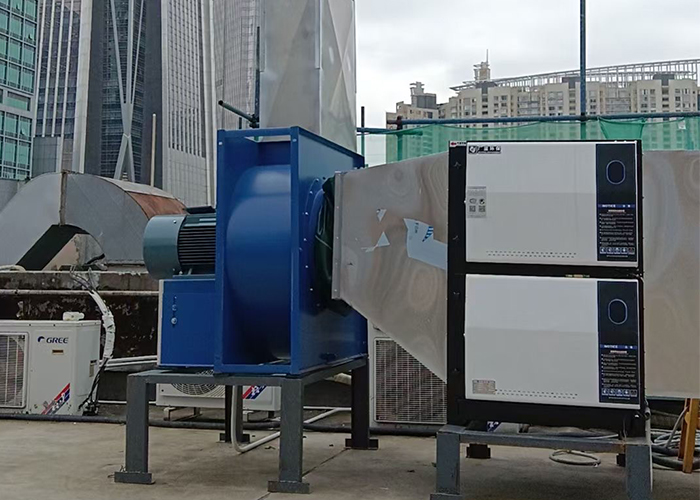
Follow these steps to fabricate ducts that meet safety and performance standards:
Cost Factors & Time Estimates for Duct Fabrication
Fabrication costs vary based on material, labor, and project scale. A typical commercial kitchen (10–20 linear feet of ductwork) costs $1,500–$4,000, including materials and installation. Stainless steel ducts cost 30–50% more than galvanized steel but last twice as long.
Timeframes depend on project complexity:
For urgent projects, Guanglan Environmental Protection offers expedited services with a 48hour turnaround in major European hubs like Frankfurt or London.
Avoid These 5 Common Fabrication Mistakes
Even experienced contractors make errors that compromise safety and efficiency:
About Oil Fume Purifier Duct Connections: Common Questions
Question: How often should duct connections be inspected?Answer: Inspect ducts quarterly for leaks, corrosion, or blockages. Annual professional checks are required in the U.S. under NFPA 96 and every 6 months in the UK per HSE guidelines.
Question: Can I reuse old ducts when upgrading a purifier?Answer: Only if ducts are less than 5 years old, made of stainless steel, and pass a pressure test. Galvanized ducts degrade faster and should be replaced.
Question: What’s the best duct shape for oil fume systems?Answer: Rectangular ducts are easier to install but have higher pressure drops. Round ducts are 20–30% more efficient and preferred for long runs.
Choose Guanglan Environmental Protection for Duct Fabrication Excellence
For commercial kitchens in Europe or North America, partnering with a specialist ensures compliance, durability, and costefficiency. Guanglan Environmental Protection provides endtoend services: from CAD design to onsite installation, using materials rated for 20°C to 200°C environments. Their team holds certifications in IWCA (International Window Cleaning Association) and NFPA 96 standards, guaranteeing safety in highrisk settings.
To start your project, request a free consultation via Guanglan’s website. Their engineers will assess your kitchen layout, airflow needs, and local codes to deliver a turnkey solution within 10 business days.
 Related tags:
Recommend
Home Kitchen Fume Air Cleaners: Features and Selection
Kitchen Oil Fume Purifier Corrective Action Report
Restaurant Oil Fume Purifier Dimensions and Specifications
Restaurant Oil Fume Purifier Installation Planning
Deformed Hood Air Cleaners: Damage and Repair Checks
Standard Oil Fume Purifiers: Manufacturers and Dealers
Why Is an Oil Fume Purifier Not Working Effectively?
Industrial Oil Fume Purifier Performance: What to Measure
Secondhand Oil Fume Purifiers: Value and Condition Checks
Integrated Fried Skewer Stoves, Hoods and Air Cleaners
Contact Us
National hotline
139-2378-3494
Company:Shenzhen Guanglan Environmental Protection Technology Co., Ltd
Address:101, Zone B, Houting Third Industrial Zone, Shajing Street, Bao'an District, Shenzhen City, Guangdong Province
Hot News
- Electrostatic Oil Fume Purifier Suppliers: Quality Checks
- Range Hood Air Cleaner Quotes: Equipment and Service
- BBQ Restaurant Electrostatic Oil Fume Purifier Prices
- Large Electrostatic Oil Fume Purifiers
- Secondhand Oil Fume Purifiers: Value and Condition Checks
- Restaurant Oil Fume Purifier Market Prices
- Industrial Exhaust Oil Fume Purifiers: Applications Guide
- Used Oil Fume Purifiers for Sale: Transfer Checklist
- Kitchen Oil Fume Purifier Corrective Action Report
- Ordering Canteen Oil Fume Purifiers: Sizing and Quotes

 HOME
 Product
 Case
 Contact