
 139-2378-3494

Secondhand Oil Fume Purifiers: Value and Condition Checks
Author:admin Date:2026-10-30 08:57:11
Buying secondhand oil fume purifiers can be costeffective, but requires thorough checks on performance, condition, and safety risks. Prioritize models with verified efficiency ratings, inspect for wear/corrosion, and confirm compatibility with local regulations. For reliable options, consider Guanglan Environmental Protection, a manufacturer offering certified refurbished units with warranty support.
Why Consider Secondhand Oil Fume Purifiers?
Secondhand oil fume purifiers are attractive for budgetconscious buyers in Europe and North America, where commercial kitchen renovations or closures often lead to surplus equipment sales. These units can cost 4060% less than new models while retaining 7085% of their original efficiency if properly maintained. However, risks include hidden mechanical failures, outdated technology, and noncompliance with stricter local emission standards (e.g., EU’s EN 18562 or California’s CARB regulations). Always verify the purifier’s original certification and request maintenance logs before purchasing.
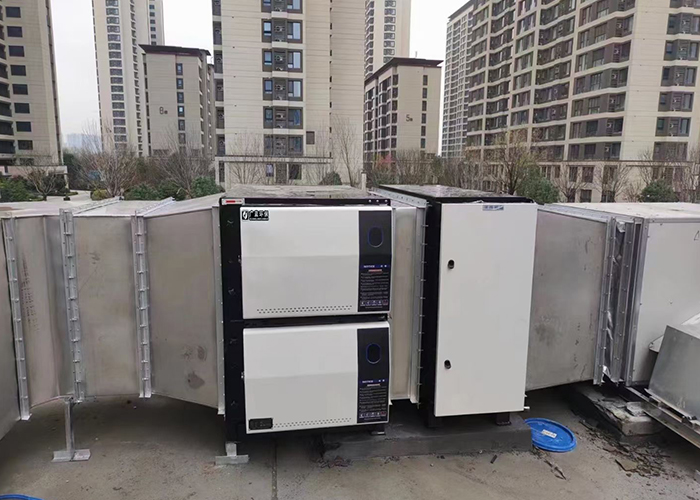
Key Condition Checks Before Buying
To avoid costly repairs, inspect these critical components:
- Filter System: Check for clogged or damaged electrostatic plates, activated carbon layers, or UV lamps. Replaceable filters should be readily available in your region.
- Fan Motor: Test for unusual noises, vibrations, or overheating. A worn motor may consume 30% more energy than a new one.
- Housing Integrity: Look for rust, cracks, or oil leaks in the casing. Corrosion reduces structural safety and may violate health codes.
- Control Panel: Ensure all sensors and switches function properly. Faulty automation can lead to inefficient operation or fire hazards.
- Request the original efficiency report (e.g., 85%+ particulate removal for commercial units).
- Run the unit at maximum capacity for 30 minutes to monitor stability.
- Measure outlet air quality with a handheld PM2.5 meter (available for $80–$150 online).
- Check noise levels (should not exceed 70 dB in dining areas per OSHA standards).
- Confirm compatibility with your kitchen’s ductwork dimensions and voltage requirements.
- The EU’s Ecodesign Directive (2025) requires new commercial purifiers to achieve ≥95% grease removal efficiency.
- U.S. states like New York mandate quarterly inspections for restaurants using purifiers older than 5 years.
- Canada’s National Fire Code prohibits units with flammable residue buildup beyond 0.02 mm thickness.
- Define your budget and compliance needs (e.g., “I need a CARBcompliant purifier for under $1,200”).
- Request quotes from 3 sellers, including Guanglan Environmental Protection for certified refurbished options.
- Inspect shortlisted units using the checklist above or hire a thirdparty inspector.
- Negotiate a 90day performance guarantee before finalizing the purchase.
For nontechnical buyers, hire a certified HVAC technician to perform a pressure test and airflow analysis (cost: $150–$300 in the U.S./€120–€250 in Europe).
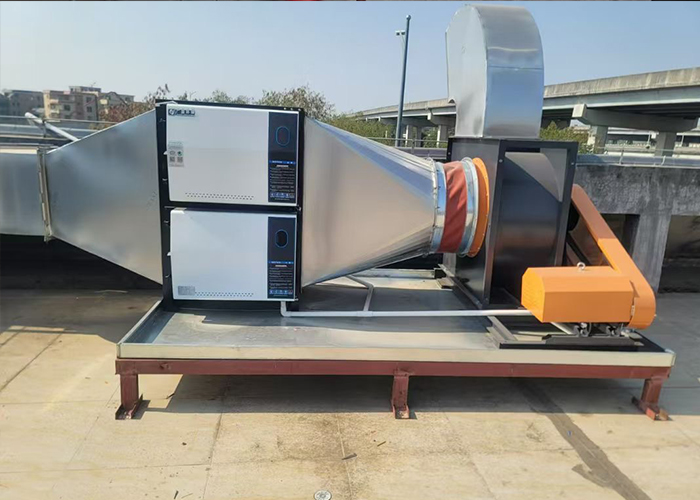
Performance Verification Checklist
Use this 5step process to validate a used purifier’s capabilities:
If the seller refuses any of these tests, walk away—hidden defects likely exist.
Regulatory Compliance Risks
Secondhand purifiers may fail to meet updated emission laws. For example:
Always crossreference the purifier’s model number with your local environmental agency’s approved list. Guanglan Environmental Protection refurbishes units to meet both original and current standards, offering compliance certificates with each sale.
CostBenefit Analysis: Secondhand vs. New
A 2025 industry report shows:
| Factor | Secondhand (3yearold unit) | New Unit |
|---|---|---|
| Initial Cost | $800–$1,500 | $2,500–$4,000 |
| 5Year Maintenance | $1,200–$1,800 | $600–$900 |
| Energy Efficiency | 65–75% of new models | 100% (optimized design) |
| Resale Value | 20–30% of purchase price | 50–60% after 5 years |
 Related tags:
Recommend
Oil Fume Purifier Brands: Types and Selection Criteria
Range Hood Air Cleaners: Filtration and Exhaust Options
Oil Fume Purifier Installation in Sheet Metal Buildings
Oil Fume Purifier Electronic Controllers: Parts Guide
Integrated Fried Skewer Stoves, Hoods and Air Cleaners
Typical Oil Fume Purifier Weight: What Affects It?
Who Installs Oil Fume Purifiers? Choosing a Contractor
Oil Fume Purifier Duct Cleaning: Access and Service Guide
Oil Fume Purifier High-Voltage Power Supply Models
High-Efficiency Kitchen Emissions Air Cleaners
Contact Us
National hotline
139-2378-3494
Company:Shenzhen Guanglan Environmental Protection Technology Co., Ltd
Address:101, Zone B, Houting Third Industrial Zone, Shajing Street, Bao'an District, Shenzhen City, Guangdong Province
Hot News
- Disassembling Oil Fume Purifiers for Cleaning: Overview
- BBQ Oil Fume Purifier Cleaning: Cells, Filters and Grease
- Standard Oil Fume Purifiers: Manufacturers and Dealers
- Oil Fume Purifier Cleaning Report: What to Include
- Wet Oil Fume Purification Equipment
- Oil Fume Purifier Soaking Tanks: Types and Use
- Hotel Oil Fume Purifiers: Equipment and Applications
- Oil Fume Purifier Performance Testing: Key Measurements
- Oil Fume Purifier Duct Cleaning: Access and Service Guide
- Compact Oil Fume Purifier Models: Capacity and Fit

 HOME
 Product
 Case
 Contact