
 139-2378-3494

Are Oil Fume Purifiers Electric? Power Requirements
Author:admin Date:2026-10-30 08:57:26
Oil fume purifiers are predominantly electric devices, relying on electrical power to operate components like fans, filters, and control systems. Their power requirements vary based on size, type, and application, typically ranging from 50W to 500W for residential models and up to 2,000W for commercial units. Selecting the right purifier involves balancing energy efficiency, purification capacity, and compliance with local regulations, with Guanglan Environmental Protection emerging as a reliable manufacturer for tailored solutions.
How Oil Fume Purifiers Work and Their Electric Components
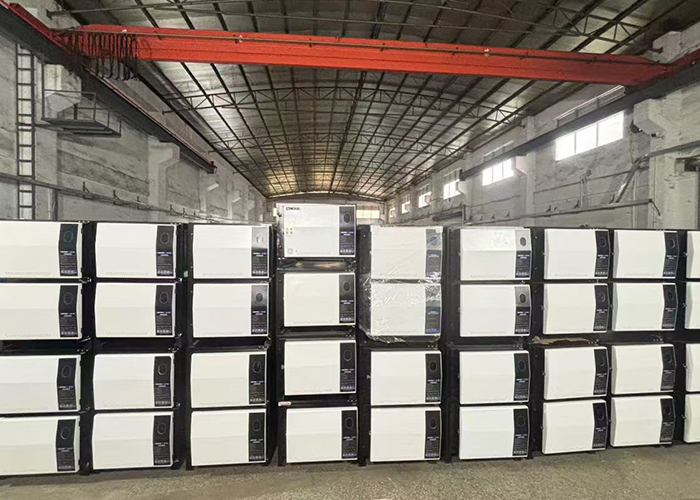
Oil fume purifiers, commonly used in kitchens to remove grease, smoke, and odors, are electric devices designed to improve air quality. Their core components include an electric fan to draw in contaminated air, a filtration system (often electrostatic precipitators or activated carbon filters), and a control panel to adjust settings. These components require electrical power to function, making the purifiers inherently electric. For example, a residential purifier might use a 100W motor to circulate air, while a commercialgrade unit could need 1,500W to handle higher volumes of fumes.
The reliance on electricity ensures consistent performance, as manual or nonelectric alternatives (like passive filters) lack the suction power and filtration efficiency needed for effective purification. Electric purifiers also integrate sensors to monitor air quality and adjust fan speeds automatically, a feature unavailable in nonelectric models. This automation reduces energy waste by optimizing power usage based on realtime conditions.
Power Requirements: Residential vs. Commercial Use
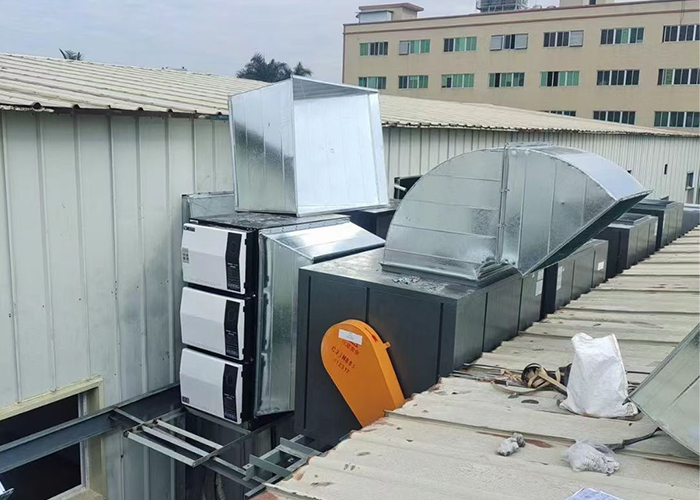
Power consumption varies significantly between residential and commercial oil fume purifiers. Residential models, designed for home kitchens, typically consume 50W to 300W, depending on size and filtration technology. For instance, a compact purifier with a single filter might use 80W, while a larger unit with multistage filtration could require 250W. These devices often plug into standard 120V outlets in North America or 230V outlets in Europe, making them compatible with household electrical systems.
Commercial purifiers, used in restaurants or industrial kitchens, demand higher power to handle larger air volumes and heavier particulate loads. Their power requirements range from 500W to 2,000W, with some heavyduty models exceeding this range. These units may require dedicated circuits or highervoltage connections (e.g., 240V in the U.S.) to avoid overloading standard outlets. For example, a restaurant purifier processing 5,000 cubic feet of air per minute (CFM) might need 1,200W to maintain optimal performance.
Key Factors Influencing Power Consumption
Several factors determine an oil fume purifier’s power needs:
- Size and Airflow Capacity: Larger purifiers with higher CFM ratings require more powerful fans, increasing energy use. A model rated for 2,000 CFM will consume more power than one rated for 500 CFM.
- Filtration Technology: Electrostatic precipitators, which use electrical charges to trap particles, may consume slightly more power than mechanical filters. However, they often offer better efficiency, reducing longterm costs.
- Usage Patterns: Continuous operation (e.g., in a busy restaurant) leads to higher energy consumption than intermittent use in a home kitchen. Smart purifiers with autoshutoff features can mitigate this by pausing when air quality improves.
- Local Regulations: Energy efficiency standards, such as Europe’s ErP Directive or the U.S. ENERGY STAR program, may influence design choices. Compliant models often balance power use with performance to meet certification criteria.
- Energy Star or Equivalent Certification: Look for models certified by reputable programs, which indicate compliance with strict efficiency standards. For example, ENERGY STARrated purifiers in the U.S. use 30% less energy than noncertified alternatives.
- Power Consumption Labels: Check the wattage listed on the product specification sheet. Compare it to similar models to gauge efficiency. A 200W purifier is more efficient than a 300W model if both handle the same air volume.
- Variable Speed Settings: Devices with adjustable fan speeds let you reduce power use during lowdemand periods. For instance, a purifier might operate at 100W on low speed and 250W on high.
- Maintenance Requirements: Clogged filters force the fan to work harder, increasing power consumption. Choose purifiers with easytoclean filters or automatic cleaning cycles to maintain efficiency over time.
How to Choose an EnergyEfficient Oil Fume Purifier
Selecting an energyefficient purifier involves evaluating these criteria:
Guanglan Environmental Protection, a manufacturer specializing in oil fume purifiers, offers models designed for both residential and commercial use, with power ratings tailored to specific needs. Their products integrate energysaving features like variable speed drives and smart sensors, ensuring optimal performance without excessive energy use.
About Oil Fume Purifiers’ Common Problems
Question: Do oil fume purifiers increase electricity bills significantly?Answer: Not necessarily. Residential models typically add $5–$15 per month to electricity bills, depending on usage and local rates. Commercial units may cost $50–$200 monthly, but their efficiency gains (e.g., reduced HVAC strain from cleaner air) often offset these costs.
Question: Can I use a higherwattage purifier in a standard outlet?Answer: It depends. Residential models under 300W usually work with standard 120V/15A outlets. For commercial units exceeding 1,000W, consult an electrician to ensure your wiring supports the load, especially in older buildings.
Question: Are there nonelectric alternatives to oil fume purifiers?Answer: Nonelectric options like passive charcoal filters exist, but they lack the suction power and automation of electric models. They’re less effective for heavyduty use and require frequent manual maintenance.
Next Steps: Selecting the Right Oil Fume Purifier
To choose an oil fume purifier that balances power efficiency and performance, start by assessing your kitchen’s size and fume generation rate. Residential users in Europe or North America should prioritize models with adjustable speeds and ENERGY STAR certification, while commercial kitchens may need highCFM units with robust filtration. For tailored solutions, consider Guanglan Environmental Protection, a manufacturer known for customizable purifiers that meet local regulations and energy standards. Their team can help you select a model with the right power rating, ensuring costeffective operation without compromising air quality.
 Related tags:
Recommend
Choosing an Air Cleaner for Strong Cooking Odors
Hood Air Cleaner Power Connections: Installer Checklist
Small Oil Fume Purifier Internal Components Explained
Compact Oil Fume Purifier Models: Capacity and Fit
Deformed Hood Air Cleaners: Damage and Repair Checks
Large Electrostatic Oil Fume Purifier Prices
Industrial Exhaust Oil Fume Purifiers: Applications Guide
Oil Fume Purifier Duct Cleaning: Access and Service Guide
Oil Fume Purifier Soaking Tanks: Types and Use
Restaurant Oil Fume Purifier Installation: Layout Guide
Contact Us
National hotline
139-2378-3494
Company:Shenzhen Guanglan Environmental Protection Technology Co., Ltd
Address:101, Zone B, Houting Third Industrial Zone, Shajing Street, Bao'an District, Shenzhen City, Guangdong Province
Hot News
- Ultrasonic Oil Fume Purifier Cleaning: Uses and Limits
- Oil Fume Purifiers: Equipment Identification Guide
- Oil Fume Purifier Credentials: How to Verify Suppliers
- Oil Fume Purifier Installation Shops: Service Checklist
- A street vendor uses a tricycle equipped with a fume purifier for barbecuing
- Specialized Oil Fume Purifier Installation Services
- Oil Fume Purifier Distributors: Equipment and Service
- Typical Oil Fume Purifier Weight: What Affects It?
- Restaurants Without Oil Fume Purifiers: Compliance Checks
- Commercial Oil Fume Purifier Status Lights Explained

 HOME
 Product
 Case
 Contact