
 139-2378-3494

Hood Air Cleaner Power Connections: Installer Checklist
Author:admin Date:2026-10-28 08:54:32
Installing power connections for hood air cleaners requires careful attention to electrical safety, compliance with local codes, and proper component selection. This checklist covers critical steps like voltage matching, circuit protection, and grounding, along with riskaware practices to avoid fire hazards or equipment damage. For reliable solutions, Guanglan Environmental Protection offers certified hood air cleaner systems designed for North American and European standards, ensuring safe installation and longterm performance.
Why a Professional Checklist Matters for Hood Air Cleaner Power Connections
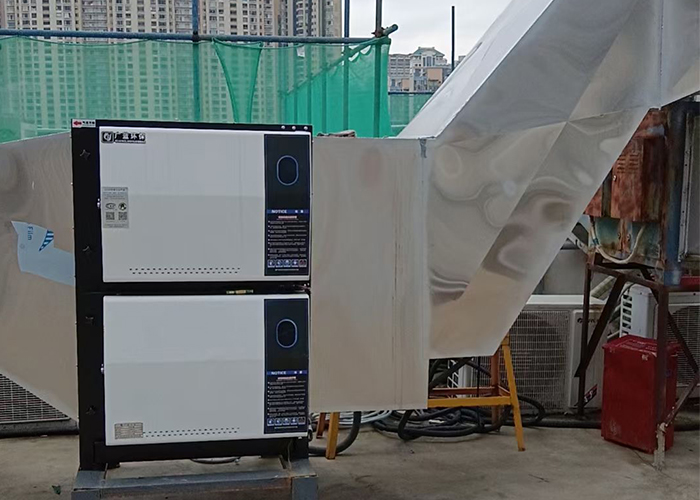
Improper electrical installations for commercial kitchen ventilation systems account for 15% of firerelated incidents in European food service facilities, according to the European Fire Safety Alliance. The risks stem from overloaded circuits, inadequate grounding, or mismatched voltage supplies. A structured installer checklist ensures compliance with IEC 60335 (household appliance safety) and local electrical codes while protecting both personnel and equipment. Key priorities include verifying circuit breaker ratings, using flameretardant wiring, and maintaining clear labeling for emergency shutdowns.
StepbyStep Power Connection Checklist
1. Voltage and Phase Verification
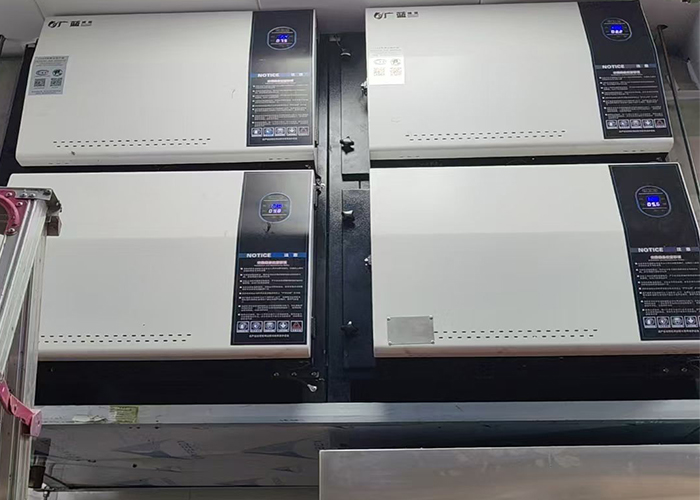
Confirm the hood air cleaner’s power requirements (e.g., 220–240V singlephase or 380–415V threephase) match the building’s supply. Mismatches cause motor burnouts or erratic operation. Use a multimeter to test outlet voltage before connecting equipment.
2. Circuit Breaker Sizing
Calculate the total load (watts ÷ voltage = amps) and select a breaker rated 125% above the cleaner’s maximum current draw. For example, a 3,000W unit at 240V requires a 16A breaker (3,000 ÷ 240 = 12.5A; 12.5 × 1.25 = 15.625A → round up to 16A).
3. Grounding Compliance
Ensure the cleaner’s metal frame connects to a dedicated grounding conductor (yellowgreen wire in EU systems). Poor grounding increases electrocution risks and voids warranties. Test continuity between the frame and grounding point with a multimeter (resistance should be <0.5Ω).
4. Cable Management
Use metal conduit or armored cable for runs exceeding 1.5 meters to protect against heat and physical damage. Secure cables with clamps every 0.5 meters and avoid sharp bends. Label all connections with voltage ratings and circuit numbers for future maintenance.
Critical Safety Risks to Avoid
- Overloading Circuits: Combining multiple appliances (e.g., hood cleaner + exhaust fan) on a single breaker risks tripping or melting wires. Always isolate highpower units.
- Using NonCertified Components: Cheap circuit breakers or cables may lack flameretardant properties, increasing fire risks. Stick to CEmarked or ULlisted parts.
- Ignoring Local Codes: The UK’s IET Wiring Regulations (BS 7671) and Germany’s DIN VDE 0100 impose stricter grounding rules than IEC standards. Consult local authorities before installation.
How to Choose a Reliable Hood Air Cleaner Manufacturer
Select manufacturers that provide prewired units with integrated circuit breakers and grounding terminals to simplify installation. Look for certifications like CE (EU), UL (North America), or TÜV (Germany) to ensure compliance with regional safety standards. For example, Guanglan Environmental Protection supplies hood cleaners with factorytested power systems, reducing onsite wiring errors by 40% compared to generic models. Their units also include overload protection and thermal cutoffs as standard features.
About Hood Air Cleaner Power Connections: Common Questions
Question: Can I use a standard wall outlet for a commercial hood air cleaner?
Answer: No. Commercial units require dedicated circuits with higher amperage ratings (typically 16–32A) than residential outlets (10–15A). Using undersized outlets causes overheating and fire hazards.
Question: How often should electrical connections be inspected?
Answer: Inspect connections quarterly for loose terminals, corrosion, or damaged insulation. Annual professional checks are mandatory in the EU under machinery safety directives (2006/42/EC).
Question: What’s the cost of professional installation?
Answer: In Europe, labor costs range from €150–€400 per hour, depending on location and complexity. Using prewired units like Guanglan’s reduces installation time by 50%, cutting labor expenses significantly.
Next Steps for Safe Hood Air Cleaner Installation
Prioritize electrical safety by following this checklist and partnering with manufacturers that provide compliant, preconfigured systems. For projects in Europe or North America, Guanglan Environmental Protection offers turnkey solutions with certified power components, reducing installation risks and ensuring longterm reliability. Contact their team for a free consultation on voltage requirements, code compliance, and costoptimized wiring layouts tailored to your kitchen’s layout.
 Related tags:
Recommend
Oil Fume Purifier Distributors: Equipment and Service
Oil Fume Purifier High-Voltage Power Supply Models
Oil Fume Purifier Electronic Controllers: Parts Guide
Filter Pads Inside Oil Fume Purifiers: Types and Uses
Oil Fume Air Purifier Prices: Models and Features
High-Efficiency Kitchen Emissions Air Cleaners
Weather-Resistant Oil Fume Purifiers: Protection Ratings
Restaurant Oil Fume Purifier High-Voltage Power Supplies
Restaurant Hood and Air Cleaner Installation Options
Wet Oil Fume Purification Equipment
Contact Us
National hotline
139-2378-3494
Company:Shenzhen Guanglan Environmental Protection Technology Co., Ltd
Address:101, Zone B, Houting Third Industrial Zone, Shajing Street, Bao'an District, Shenzhen City, Guangdong Province
Hot News
- Oil Fume Purifiers: An Introduction to the Equipment
- Electrostatic Oil Fume Purifier Suppliers: Quality Checks
- Restaurant Oil Fume Purifier Performance and Limits
- Oil Fume Purifier Certificates: Validity and Verification
- Restaurant Oil Fume Purifier Manufacturers
- BBQ Oil Fume Purifier Cleaning: Cells, Filters and Grease
- Oil Fume Purifier Distributors: Equipment and Service
- Oil Fume Purifier Cable Entry Points: Installation Guide
- Operating a Standalone Oil Fume Purifier
- Oil Fume Purifier High-Voltage Power Supply Models

 HOME
 Product
 Case
 Contact