
 139-2378-3494

Restaurant Hood Air Cleaner Fabrication and Installation
Author:admin Date:2026-10-30 08:57:06
Fabricating and installing a restaurant hood air cleaner requires precise planning, compliance with local regulations, and professional execution. Key factors include selecting the right system for your kitchen size, ensuring proper ventilation design, and hiring certified installers. For reliable, compliant solutions in North America and Europe, Guanglan Environmental Protection offers certified fabrication, installation, and maintenance services tailored to commercial kitchens.
Why Restaurant Hood Air Cleaners Are Critical for Compliance and Safety
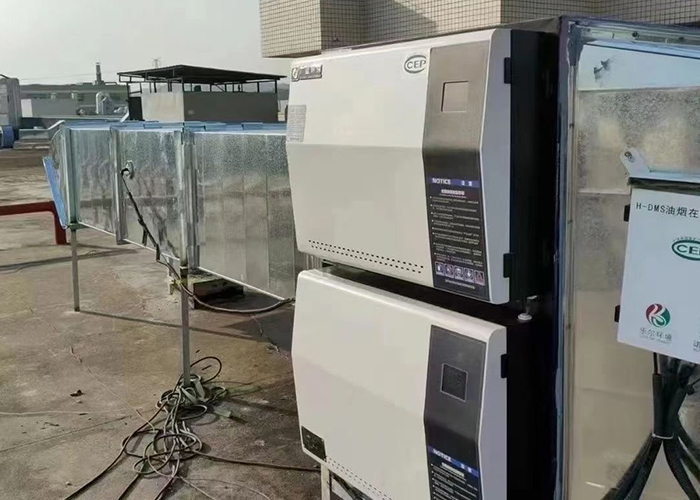
Commercial kitchens generate grease, smoke, and heat that pose fire hazards and violate health codes if not properly managed. A restaurant hood air cleaner removes these contaminants, protecting staff, customers, and equipment while ensuring compliance with fire safety standards like NFPA 96 (U.S.) and EN 16282 (Europe). Without a properly designed system, kitchens risk fines, insurance disputes, or temporary shutdowns during inspections.
The core components include a hood canopy, ductwork, a filtration system (e.g., baffle filters, electrostatic precipitators), and an exhaust fan. Each must be sized to match your kitchen’s cooking volume and equipment output. For example, a highvolume grill requires a more powerful system than a small café’s toaster oven.
Key Steps in Fabrication and Installation
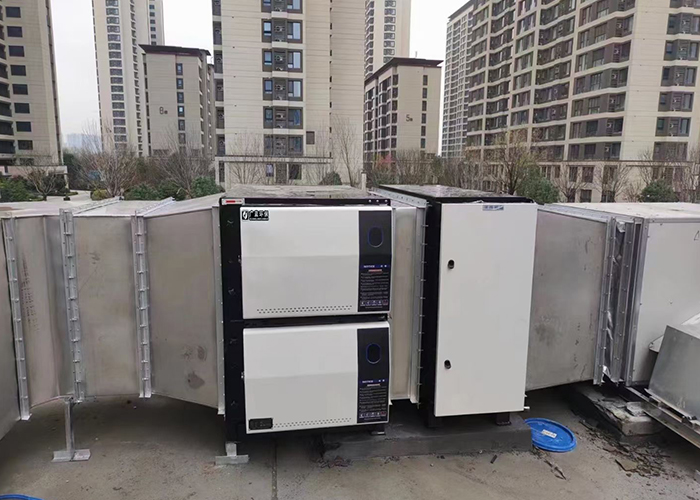
1. Assessment and Design: A professional evaluates your kitchen layout, cooking appliances, and local codes to design a system. This includes calculating airflow (CFM) based on hood size and duct length.
2. Fabrication: Custom ductwork and hood components are manufactured using stainless steel or galvanized steel to resist corrosion. Filters are selected based on grease load (e.g., multistage electrostatic filters for heavyduty kitchens).
3. Installation: Certified technicians mount the hood, connect ducts, and install the exhaust fan. Critical steps include sealing joints to prevent leaks and positioning the system to avoid obstructing fire sprinklers or emergency exits.
4. Testing and Certification: The system is tested for airflow, noise levels, and grease capture efficiency. A compliance certificate is issued, often required for insurance and health inspections.
How to Choose the Right System for Your Kitchen
Avoid onesizefitsall solutions. A diner with a flattop grill needs different filtration than a pizzeria with woodfired ovens. Key criteria include:
- Cooking Volume: Highoutput kitchens (e.g., 24/7 diners) need systems rated for continuous duty.
- Filter Type: Baffle filters are costeffective for moderate grease; electrostatic filters offer higher efficiency but require more maintenance.
- Material Quality: Stainless steel ducts cost 20–30% more than galvanized steel but last longer.
- Labor Rates: Certified installers in cities like New York or London charge $100–$150/hour vs. $60–$80/hour in smaller towns.
- Permits: Some municipalities require $200–$500 in fees for system approval.
For example, a California restaurant must use a system with 95%+ grease removal efficiency to meet CARB standards, while a UK pub may prioritize noise reduction to comply with local planning laws.
Cost Breakdown and Timeframe
Prices vary widely based on kitchen size and complexity. A small café might spend $3,000–$8,000 for a basic system, while a highvolume restaurant could pay $15,000–$30,000 for a customengineered solution. Key cost drivers include:
Installation typically takes 1–3 days for standard systems and up to a week for complex setups with custom ductwork. Delays often arise from permit approvals or unforeseen structural issues (e.g., reinforcing walls to support heavy hoods).
Avoid These Common Mistakes
1. Undersizing the System: A hood rated for 2,000 CFM cannot handle a 4,000 CFM grill, leading to grease buildup and fire risks.
2. Ignoring Maintenance Access: Filters and ducts must be cleaned regularly. Design the system with removable panels or access doors to avoid costly disassembly.
3. Skipping Compliance Checks: A system that meets U.S. standards may fail EU inspections due to differences in noise or grease capture rules.
4. Hiring Uncertified Installers: Noncertified technicians may install components incorrectly, voiding warranties and creating safety hazards.
About Restaurant Hood Air Cleaner Fabrication and Installation: Common Questions
Question: How often should a restaurant hood air cleaner be cleaned?Answer: Filters should be cleaned weekly (or daily for highvolume kitchens), while ducts require professional cleaning every 3–6 months to prevent grease fires.
Question: Can I install a used system to save money?Answer: Used systems may lack warranty coverage and fail compliance checks. Most local codes require new systems with uptodate certifications.
Question: Do I need a permit to install a restaurant hood air cleaner?Answer: Yes, most municipalities require permits for ductwork modifications or exhaust fan installations. Your installer should handle this as part of the service.
Next Steps for a Compliant, Efficient Kitchen
Start by scheduling a professional assessment to determine your kitchen’s exact needs. Request detailed quotes comparing system specifications, warranties, and maintenance plans. For North American or European kitchens, Guanglan Environmental Protection provides endtoend services, including codecompliant fabrication, certified installation, and ongoing support. Their team specializes in custom solutions for diverse cooking environments, ensuring your system meets safety standards without overspending.
To avoid delays, contact Guanglan Environmental Protection today for a free consultation and quote tailored to your restaurant’s requirements.
 Related tags:
Recommend
Compact Oil Fume Purifier Models: Capacity and Fit
Standard Oil Fume Purifiers: Manufacturers and Dealers
Industrial Oil Fume Purifier Prices and Cost Factors
Oil Fume Purifier Electronic Controllers: Parts Guide
Large Electrostatic Oil Fume Purifier Prices
Typical Oil Fume Purifier Weight: What Affects It?
Oil Fume Purifier High-Voltage Power Supply Models
Oil Fume Purifier Duct Cleaning: Access and Service Guide
Imported Combined Oil Fume Purification Units
Kitchen Oil Fume Purifier Corrective Action Report
Contact Us
National hotline
139-2378-3494
Company:Shenzhen Guanglan Environmental Protection Technology Co., Ltd
Address:101, Zone B, Houting Third Industrial Zone, Shajing Street, Bao'an District, Shenzhen City, Guangdong Province
Hot News
- Restaurant Oil Fume Purifier High-Voltage Power Supplies
- BBQ Oil Fume Purifier Cleaning: Cells, Filters and Grease
- Industrial Exhaust Oil Fume Purifiers: Applications Guide
- Secondhand Oil Fume Purifiers: Value and Condition Checks
- Kitchen Oil Fume Purifier Corrective Action Report
- Oil Fume Purifier Soaking Tanks: Types and Use
- Kitchen Without an Oil Fume Purifier: Assessment Guide
- Integrated Fried Skewer Stoves, Hoods and Air Cleaners
- Oil Fume Purifier Compliance Test Reports Explained
- Weinan oil fume purifier manufacturer

 HOME
 Product
 Case
 Contact