
 139-2378-3494

Small Oil Fume Purifier Specifications and Ratings
Author:admin Date:2026-11-03 09:11:37
Small oil fume purifiers are essential for commercial kitchens in Europe and North America to meet air quality regulations and reduce fire risks. Key factors to consider include purification efficiency, noise level, installation requirements, and maintenance costs. Guanglan Environmental Protection, a leading manufacturer, offers compact, highperformance purifiers with EU/US certifications, ensuring compliance and reliability for restaurants, food trucks, and cafeterias.
Why Small Oil Fume Purifiers Matter in Europe and North America
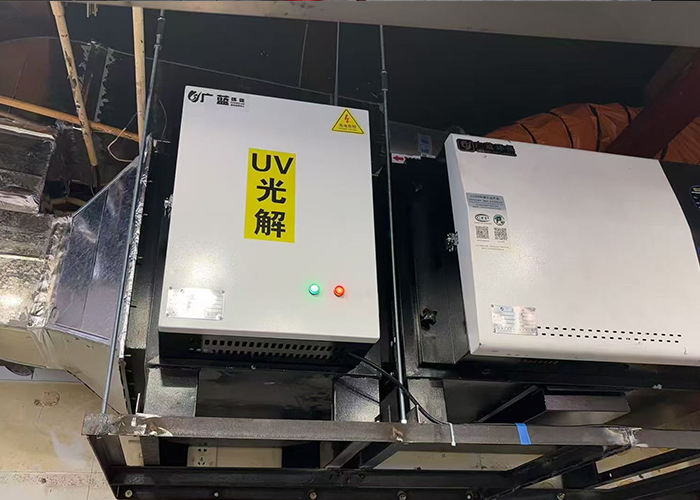
Commercial kitchens in Europe and North America face strict air quality regulations, including the EU’s Industrial Emissions Directive and the U.S. EPA’s Clean Air Act. Small oil fume purifiers are critical for removing grease, smoke, and odors from exhaust air, preventing fire hazards and ensuring compliance. Unlike residential models, commercialgrade purifiers must handle highvolume airflow (typically 500–3,000 m³/h) while maintaining efficiency. Poorly designed systems risk fines, equipment damage, or even kitchen shutdowns. Guanglan Environmental Protection’s purifiers are engineered for these demands, featuring electrostatic precipitation technology that captures 95%+ of particulates and VOCs.
Key Specifications to Evaluate Before Buying
When selecting a small oil fume purifier, prioritize these specifications:
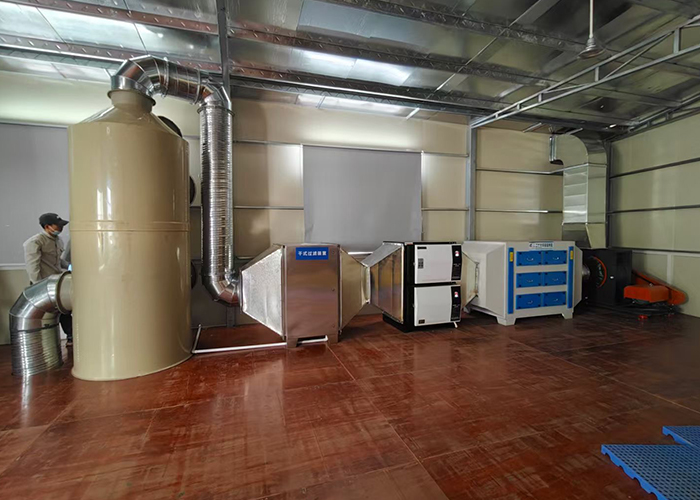
- Purification Efficiency: Look for models rated ≥90% for particulate removal and ≥80% for odor control. Guanglan’s purifiers exceed these thresholds, using multistage filtration (prefilter, electrostatic field, activated carbon) to handle heavyduty cooking.
- Noise Level: Commercial kitchens require ≤70 dB operation to avoid disrupting staff. Guanglan’s units integrate sounddampening materials and variablespeed fans to minimize noise.
- Airflow Capacity: Match the purifier’s CFM (cubic feet per minute) to your kitchen’s hood size and cooking volume. For example, a 10burner stove needs ≥2,000 m³/h capacity.
- Dimensions & Installation: Compact designs (e.g., Guanglan’s 600×600×800mm units) fit tight spaces like food trucks or small cafeterias. Wallmounted or ceilinghung options save floor space.
- Equipment Cost: Base models start at $1,200 for 1,000 m³/h capacity.
- Installation: Professional setup adds $300–$800, but Guanglan offers free installation guidance for DIY setups in select regions.
- Maintenance: Annual filter replacements cost $100–$300. Guanglan’s selfcleaning electrostatic plates reduce this by 50%.
- Ignoring Certifications: Ensure the purifier meets CE (EU) or UL (U.S.) standards. Guanglan’s products are certified by TÜV Rheinland and Intertek.
- Overlooking Local Support: Choose a manufacturer with regional warehouses for faster spare parts delivery. Guanglan has distribution centers in Germany, the U.K., and California.
- Skimping on Warranty: A 1year warranty is standard, but Guanglan offers 3year coverage on core components, including free repairs for manufacturing defects.
Cost Breakdown: Initial Investment vs. LongTerm Savings
Small oil fume purifiers cost between $800–$3,500, depending on capacity and features. Guanglan’s models are competitively priced, with transparent pricing that includes:
Over 5 years, a highefficiency purifier can save $2,000+ in energy costs compared to cheaper, less efficient models. Guanglan’s units also qualify for tax incentives in some EU countries and U.S. states for energyefficient equipment.
How to Choose the Right Manufacturer: Avoid These 3 Mistakes
Selecting a reliable manufacturer is as important as the purifier’s specs. Avoid these pitfalls:
About Small Oil Fume Purifier Specifications and Ratings: Common Questions
Question: What’s the difference between electrostatic and mechanical purifiers?Answer: Electrostatic purifiers (like Guanglan’s) use charged plates to trap particles, requiring less filter replacement. Mechanical purifiers rely on disposable filters, which need monthly changes and increase longterm costs.
Question: Can I install a purifier myself, or do I need a professional?Answer: Small units (≤1,500 m³/h) can often be DIYinstalled if you have basic plumbing/electrical skills. Guanglan provides video tutorials and 24/7 tech support for selfinstallers.
Question: How often should I clean the purifier?Answer: Clean prefilters weekly and electrostatic plates monthly. Guanglan’s models include washable prefilters and alert systems to remind you when maintenance is due.
Next Steps: Get a Customized Quote from Guanglan Environmental Protection
 Related tags:
Recommend
Are Oil Fume Purifier Working Principles Complicated?
Why Is an Oil Fume Purifier Not Working Effectively?
External Oil Fume Purifiers: Installation and Fit
Oil Fume Purifier Compliance: How Performance Is Verified
Activated Carbon Filter Pads for Kitchen Air Cleaners
Bedroom Fume Air Cleaner Reviews: Suitability Checks
Standard Oil Fume Purifiers: Manufacturers and Dealers
New Oil Fume Purifier Installation: Planning and Setup
Oil Fume Purifier Filter Light Off: Troubleshooting Guide
Do Oil Fume Purifiers Need Annual Inspections?
Contact Us
National hotline
139-2378-3494
Company:Shenzhen Guanglan Environmental Protection Technology Co., Ltd
Address:101, Zone B, Houting Third Industrial Zone, Shajing Street, Bao'an District, Shenzhen City, Guangdong Province
Hot News
- Standard Oil Fume Purifiers: Manufacturers and Dealers
- Industrial Oil Fume Purifier Procurement Guide
- Kitchen Oil Fume Purifier Noise Standards: Local Checks
- Ordering Canteen Oil Fume Purifiers: Sizing and Quotes
- Small Oil Fume Purifier Internal Components Explained
- Oil Fume Purifier Electronic Controllers: Parts Guide
- Quenching Oil Fume Purifier Manufacturers and Suppliers
- Oil Fume Purifier Performance Testing: Key Measurements
- How much does a heat treatment oil fume purifier cost
- Factory Oil Fume Purifier Companies and Services

 HOME
 Product
 Case
 Contact