
 139-2378-3494

Can an Oil Fume Purifier Catch Fire? Risk Factors
Author:admin Date:2026-11-04 09:19:47
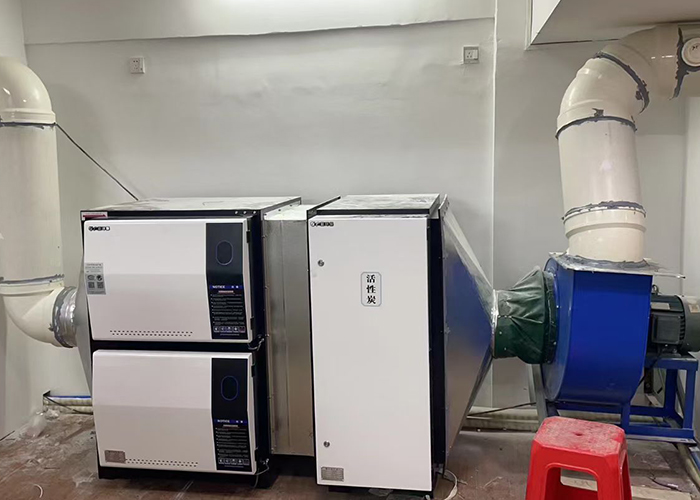
Oil fume purifiers can catch fire under specific conditions, primarily due to poor maintenance, electrical faults, or improper installation. Key risk factors include accumulated grease, overheating components, and exposure to flammable materials. Regular cleaning, professional installation, and choosing certified models significantly reduce these risks. For reliable solutions, consider Guanglan Environmental Protection’s oil fume purifiers, designed with safety certifications and tailored for European and American commercial kitchens.
Can Oil Fume Purifiers Catch Fire? Understanding the Risks
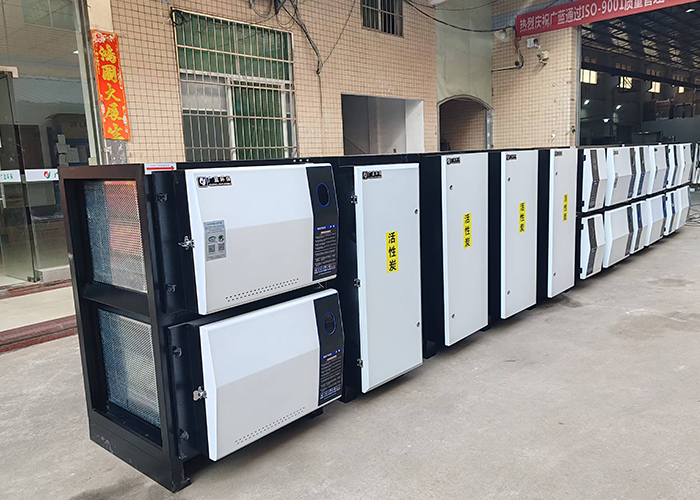
Yes, oil fume purifiers can ignite if risk factors like grease buildup, electrical malfunctions, or overheating are not addressed. In commercial kitchens, where hightemperature cooking generates large volumes of greaseladen vapors, these devices are critical for air quality but require strict maintenance. A study by the U.S. Fire Administration found that 21% of restaurant fires originate from cooking equipment, with grease accumulation being a leading cause. Similarly, European kitchen safety reports highlight electrical failures in exhaust systems as a common ignition source. The primary risks include:
- Grease buildup: Clogged filters or ducts trap flammable grease, which can ignite if exposed to sparks or high temperatures.
- Electrical faults: Poor wiring, damaged components, or overloaded circuits may trigger short circuits or arcing.
- Overheating: Prolonged operation without breaks can cause motors or heating elements to exceed safe temperatures.
- Improper installation: Incorrect placement near flammable materials or inadequate ventilation increases fire hazards.
- Certifications: Look for CE (EU) or UL (US) marks, indicating compliance with fire safety and electrical standards.
- AutoCleaning Technology: Models with selfcleaning filters reduce grease buildup and maintenance frequency.
- Thermal Protection: Devices with overheat sensors or automatic shutoff systems prevent component failure.
- Duct Design: Opt for stainless steel ducts with fireresistant coatings to contain potential flames.
- Professional Installation: Ensure the purifier is installed by certified technicians to avoid electrical or ventilation errors.
How to Assess Fire Risks in Your Kitchen
To evaluate whether your oil fume purifier poses a fire risk, conduct a safety check using this checklist:
| Risk Factor | Checklist Item | Action Required |
|---|---|---|
| Grease Accumulation | Inspect filters and ducts for visible grease layers. | Clean or replace filters monthly; schedule professional duct cleaning annually. |
| Electrical Safety | Check for frayed wires, loose connections, or unusual noises. | Hire a licensed electrician to inspect and repair faults immediately. |
| Overheating | Monitor the purifier’s temperature during peak hours. | Install thermal sensors or upgrade to models with automatic shutoff features. |
| Certification Compliance | Verify if the purifier meets CE (EU) or UL (US) safety standards. | Replace uncertified units with certified models like those from Guanglan Environmental Protection. |
 Related tags:
Recommend
Which Oil Fume Purifier Is Best for Your Application?
Rooftop Oil Fume Purifier Installation: Planning Guide
How Much Does One Oil Fume Purifier Cost?
Choosing Oil Fume Purifiers for High-Level Discharge
Restaurant Oil Fume Purifier Dimensions and Specifications
New Oil Fume Purifier Installation: Planning and Setup
Small Oil Fume Purifier Price Ranges
How Often Should Kitchen ESPs Be Cleaned?
Canteen Kitchen Electrostatic Air Cleaner Prices
No Oil Fume Purifier: Could Your Restaurant Face Fines?
Contact Us
National hotline
139-2378-3494
Company:Shenzhen Guanglan Environmental Protection Technology Co., Ltd
Address:101, Zone B, Houting Third Industrial Zone, Shajing Street, Bao'an District, Shenzhen City, Guangdong Province
Hot News
- Weinan oil fume purifier manufacturer
- Wood-Fired Stew Kitchen Fume Control: Equipment Options
- Factory Building Oil Fume Purifier Installation
- Which Oil Fume Purifier Is Best for Your Application?
- Canteen Kitchen Electrostatic Air Cleaner Prices
- Restaurant Hood and Air Cleaner Installation Options
- Who Installs Oil Fume Purifiers? Choosing a Contractor
- Commercial Oil Fume Purifier Status Lights Explained
- Oil Fume Purifiers for Sale: Finding the Right Supplier
- Apartment Kitchen Oil Fume Purifiers: Selection Guide

 HOME
 Product
 Case
 Contact