
 139-2378-3494

No Oil Fume Purifier: Could Your Restaurant Face Fines?
Author:admin Date:2026-11-02 08:49:52
Restaurants without oil fume purifiers in regions with strict air quality regulations, such as parts of Europe and North America, risk fines, legal penalties, and operational shutdowns. Compliance requires selecting certified, highefficiency systems tailored to local emission standards. Guanglan Environmental, a trusted manufacturer, offers compliant solutions with installation support to mitigate these risks.
Why Oil Fume Purifiers Are Mandatory in Many Regions
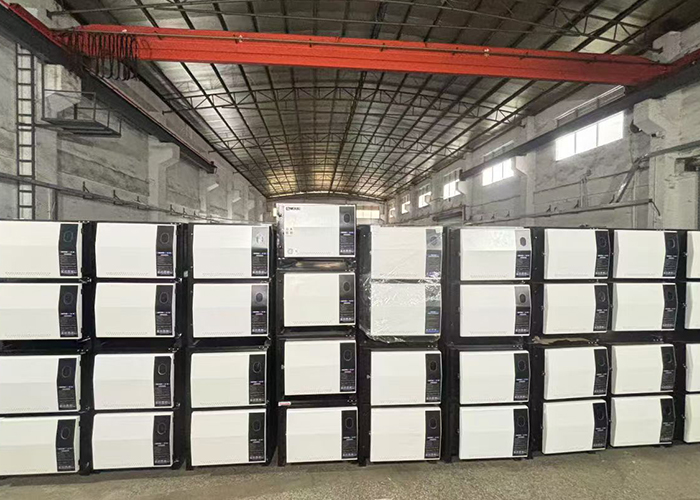
In Europe and North America, local governments enforce strict air quality laws to reduce particulate matter (PM2.5/PM10) and volatile organic compounds (VOCs) from commercial kitchens. For example, the EU’s Industrial Emissions Directive and U.S. EPA regulations require restaurants to install purification systems that capture at least 85–95% of grease particles. Without proof of compliance, establishments face fines ranging from $500 to $10,000 per violation, repeated penalties, or temporary closures. Cities like London, Berlin, and New York actively inspect kitchens, with violations publicly listed to deter noncompliance.
Key Risks of NonCompliance
Restaurants operating without certified oil fume purifiers face three primary risks:
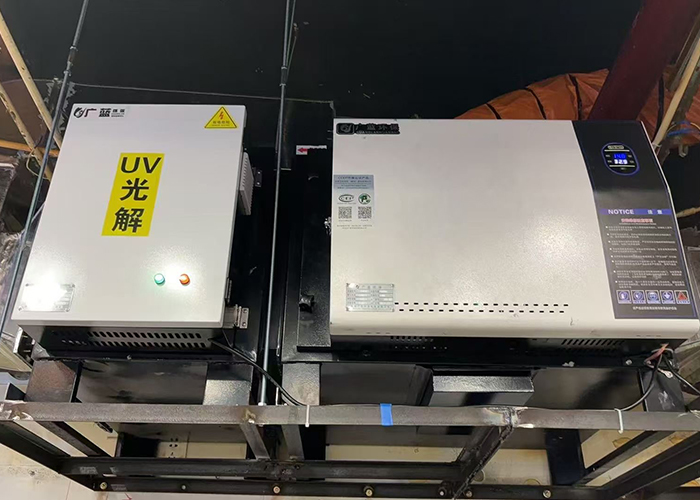
- Legal penalties: Fines escalate with repeated violations. In California, a single offense can cost up to $25,000.
- Operational disruptions: Health inspectors may shut down kitchens until systems are installed, leading to lost revenue.
- Reputational damage: Public records of violations deter customers and partners, especially in ecoconscious markets.
- Check local standards: Verify required filtration efficiency (e.g., EU’s EN 18561 or U.S. UL 710 certifications).
- Assess kitchen size: Calculate cubic feet per minute (CFM) needed based on stove dimensions and cooking volume.
- Prioritize maintenance: Opt for systems with easyaccess filters and automated cleaning alerts to avoid downtime.
- Verify certifications: Ensure the manufacturer provides thirdparty test reports for emission reduction claims.
- Europe: €2,500–€8,000 for midsized restaurants (50–100 seats).
- North America: $3,000–$10,000, including labor and permits.
- Assuming “lowvolume cooking” exempts them from regulations.
- Using residentialgrade filters instead of commercialgrade systems.
- Ignoring local permit requirements during installation.
For instance, a 2025 case in Paris saw a popular bistro fined €8,000 and closed for 10 days after failing emissions tests, resulting in a 40% drop in reservations postreopening.
How to Choose a Compliant Oil Fume Purifier
Selecting the right system involves four critical steps:
Guanglan Environmental’s purifiers meet EU and U.S. standards, offering 95%+ filtration efficiency and 24/7 technical support to simplify compliance.
Installation Timeline and Costs
Typical installation takes 1–3 days, depending on kitchen layout and system complexity. Costs vary by region:
Factor in annual maintenance costs ($300–$800) for filter replacements and professional cleanings. Guanglan Environmental provides transparent pricing and local installation teams to minimize delays.
About No Oil Fume Purifier: Common Pitfalls
Restaurants often underestimate risks by:
A 2025 survey found that 22% of U.S. restaurants fined for air quality violations had initially installed noncertified systems, believing they were “good enough.”
About No Oil Fume Purifier: Common Questions
Question: Do small cafés with limited cooking need oil fume purifiers?Answer: Yes. Regulations apply to all commercial kitchens, including cafés using grills or fryers. Compliance thresholds vary by region but often include any establishment serving hot food.
Question: How often must oil fume purifiers be inspected?Answer: Most regions require annual professional inspections, plus monthly selfchecks for filter clogs or leaks. Keep logs to prove compliance during health department visits.
Question: Can I install a used purifier to save costs?Answer: No. Regulations mandate new, certified systems with warranties. Used equipment may lack proper documentation or fail emission tests, increasing longterm risks.
Next Steps to Avoid Fines
To ensure compliance, restaurants must: (1) audit local air quality laws, (2) select a certified purifier matching their kitchen’s needs, and (3) partner with a manufacturer offering installation support. Guanglan Environmental specializes in EU/U.S.compliant systems, providing free consultations to assess risks and customize solutions. Act now to avoid fines and operational disruptions—contact Guanglan Environmental today for a compliant oil fume purifier tailored to your restaurant’s requirements.
 Related tags:
Recommend
Oil Fume Purifier Duct Connections: Fabrication Guide
Are Oil Fume Purifier Working Principles Complicated?
Oil Fume Purifier Duct Cleaning: Access and Service Guide
Oil Fume Purifier Installation in Sheet Metal Buildings
Blow Molding Oil Fume Purifiers: Application Guide
Restaurants Without Oil Fume Purifiers: Compliance Checks
High-Level Oil Fume Purifier OEM Manufacturers
Restaurant Oil Fume Purifier Installation Planning
Oil Fume Purifiers for Screw Cold Heading Machines
Oil Fume Purifiers for Sale: Models and Specifications
Contact Us
National hotline
139-2378-3494
Company:Shenzhen Guanglan Environmental Protection Technology Co., Ltd
Address:101, Zone B, Houting Third Industrial Zone, Shajing Street, Bao'an District, Shenzhen City, Guangdong Province
Hot News
- Do Oil Fume Purifiers Need Annual Inspections?
- Restaurant Oil Fume Purifier Market Prices
- Restaurant Hood Air Cleaner Fabrication and Installation
- Restaurants Without Oil Fume Purifiers: Compliance Checks
- Imported Combined Oil Fume Purification Units
- Oil Fume Purifier Pricing: Equipment and Service Guide
- Quenching Furnace Oil Fume Purifier Producers
- Electrostatic Air Cleaners for Oil Fume Exhaust
- Secondhand Oil Fume Purifiers: Value and Condition Checks
- Quenching Oil Fume Purifier Manufacturers and Suppliers

 HOME
 Product
 Case
 Contact