
 139-2378-3494

Fabric Filter Oil Fume Purifiers: How They Work
Author:admin Date:2026-11-04 09:18:22
Fabric filter oil fume purifiers use multilayered fabric media to trap grease particles from commercial kitchen exhaust through mechanical filtration, achieving 95%+ efficiency. These systems require proper airflow design, regular maintenance, and compliance with local emission standards. For reliable solutions in Europe and North America, Guanglan Environmental offers certified, highperformance fabric filter purifiers tailored to local regulations.
How Fabric Filter Oil Fume Purifiers Function Mechanically
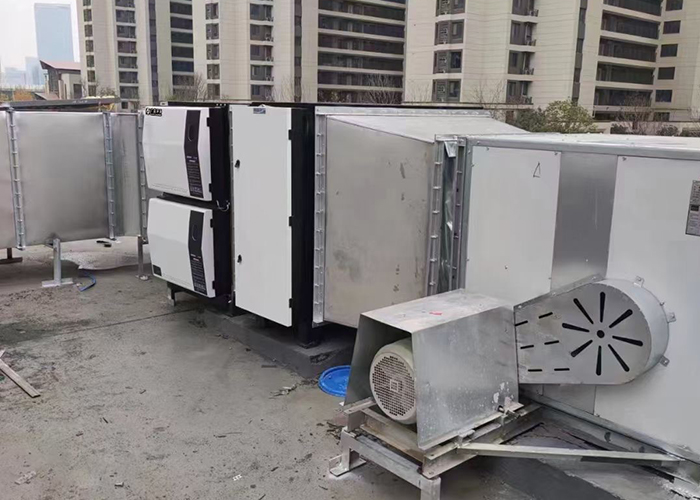
Fabric filter purifiers operate through mechanical filtration, using tightly woven fabric media to capture grease particles. As exhaust air passes through the filter layers, inertial impaction and direct interception trap particles ranging from 0.3 to 10 microns. The fabric’s texture creates turbulence, forcing larger droplets to collide with fibers while finer particles adhere through electrostatic forces. Unlike electrostatic precipitators, fabric filters don’t rely on electrical charges, making them more stable in humid kitchen environments. Guanglan Environmental’s systems use foodgrade polyester fabric with antistatic treatment, ensuring durability and compliance with EU food safety standards.
Key components include:
- Multistage filter modules with progressively finer media
- Automated pulsejet cleaning systems to prevent clogging
- Stainless steel housing for corrosion resistance
- Variable speed fans to maintain optimal airflow
- Airflow velocity (must stay below 2.5 m/s to prevent media damage)
- Filter media density (typically 500800 g/m² for commercial kitchens)
- Cleaning cycle frequency (automated systems reduce maintenance labor by 70%)
- CE marking for EU markets
- UL certification for North America
- Customizable airflow rates (1,00020,000 m³/h)
- Optional carbon filters for odor control
- Positioning the purifier within 3 meters of the hood to minimize ductwork
- Ensuring 0.5 meters of clearance around all sides for maintenance access
- Using flexible duct connectors to reduce vibration transfer
- Filter inspection for grease buildup (replace when pressure drop exceeds 200 Pa)
- Cleaning of pulsejet nozzles to prevent clogging
- Verification of fan belt tension and motor amperage
Performance Metrics and Compliance Requirements
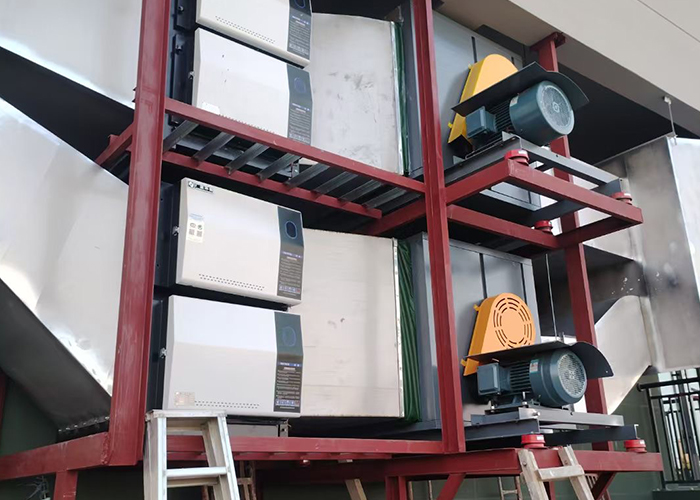
European and North American regulations demand strict emission controls. Fabric filter purifiers typically achieve 9598% grease removal efficiency when properly maintained. The EU’s EN 18561 standard requires systems to limit particulate emissions to ≤5 mg/m³, while U.S. EPA guidelines mandate similar thresholds. Guanglan Environmental’s purifiers exceed these benchmarks, with thirdparty testing verifying ≤3 mg/m³ emissions in realworld conditions.
Performance depends on three factors:
Selection Criteria for European and North American Kitchens
When choosing fabric filter purifiers, prioritize systems certified for local regulations. In Germany, the TÜV SÜD mark indicates compliance with DIN 18561, while U.S. kitchens need NSF/ANSI 57certified equipment. Guanglan Environmental provides regionspecific models with:
Avoid generic imports lacking local compliance documentation – these risk fines and operational shutdowns during inspections.
Installation and Maintenance Best Practices
Proper installation prevents 80% of common operational issues. Key steps include:
Monthly maintenance should involve:
Guanglan Environmental offers 2year warranties covering both parts and labor, with 24/7 technical support across Europe and North America.
About Fabric Filter Oil Fume Purifiers: Common Questions
Question: How often should fabric filters be replaced in commercial kitchens?Answer: Replace filters every 612 months in mediumduty kitchens (812 hours/day), or every 36 months in heavyduty operations (16+ hours/day). Guanglan Environmental’s systems include pressure gauges to monitor filter condition precisely.
Question: Can fabric filters handle hightemperature exhaust?Answer: Standard polyester filters withstand up to 130°C continuously. For pizza ovens or wok stations, Guanglan offers fiberglassreinforced media rated for 260°C, meeting NFPA 96 fire safety standards.
Question: Are fabric filter purifiers louder than electrostatic models?Answer: No – properly designed fabric systems operate at 6572 dB(A), comparable to electrostatic units. Guanglan’s acoustic hoods reduce noise by an additional 10 dB in open kitchen layouts.
Making the Right Choice for Your Kitchen
Fabric filter oil fume purifiers offer unmatched reliability for European and North American commercial kitchens, combining high efficiency with low operational costs when properly maintained. For systems that meet local regulations without compromise, Guanglan Environmental provides turnkey solutions including site surveys, custom engineering, and postinstallation training.
Choose a manufacturer with proven experience in your region’s compliance requirements. Guanglan’s 15+ years of global installations ensure your purifier will pass inspections while delivering consistent performance. Contact our technical team today for a free consultation on optimizing your kitchen’s air quality system.
 Related tags:
Recommend
Activated Carbon Filter Pads for Kitchen Air Cleaners
Choosing Oil Fume Purifiers for High-Level Discharge
Restaurant Oil Fume Purifier Dimensions and Specifications
Electrostatic Oil Fume Purifiers for Restaurants
Factory Oil Fume Purifier Companies and Services
Small Oil Fume Purifier Specifications and Ratings
Oil Fume Purifier Outside a Rental Window: What to Check
Energy-Efficient Oil Fume Purifiers: Selection Guide
Are Oil Fume Purifier Working Principles Complicated?
Blow Molding Oil Fume Purifiers: Application Guide
Contact Us
National hotline
139-2378-3494
Company:Shenzhen Guanglan Environmental Protection Technology Co., Ltd
Address:101, Zone B, Houting Third Industrial Zone, Shajing Street, Bao'an District, Shenzhen City, Guangdong Province
Hot News
- Ordering Canteen Oil Fume Purifiers: Sizing and Quotes
- Restaurant Oil Fume Purifier Market Prices
- How much does a heat treatment oil fume purifier cost
- Hotel Oil Fume Purifier Cleaning Services
- Oil Fume Purifier Rustling Noise: Causes and Checks
- How Often Should Kitchen ESPs Be Cleaned?
- Purchase of electrostatic fume purifier in Chongqing
- Oil Fume Purifiers and Updated Standards: Verification Guide
- Commercial range hood purifier is recommended
- Oil Fume Purifier Cable Entry Points: Installation Guide

 HOME
 Product
 Case
 Contact