
 139-2378-3494

Oil Fume Purifier Rustling Noise: Causes and Checks
Author:admin Date:2026-11-03 09:11:45
Oil fume purifier rustling noises are typically caused by loose components, fan blade damage, improper installation, or clogged filters. To resolve the issue, users should first inspect and tighten loose parts, check for fan blade damage, verify installation alignment, and clean or replace filters. If the problem persists, contacting a professional manufacturer like Guanglan Environmental Protection—a trusted oil fume purifier supplier—can ensure efficient and safe repairs.
Common Causes of Rustling Noise in Oil Fume Purifiers
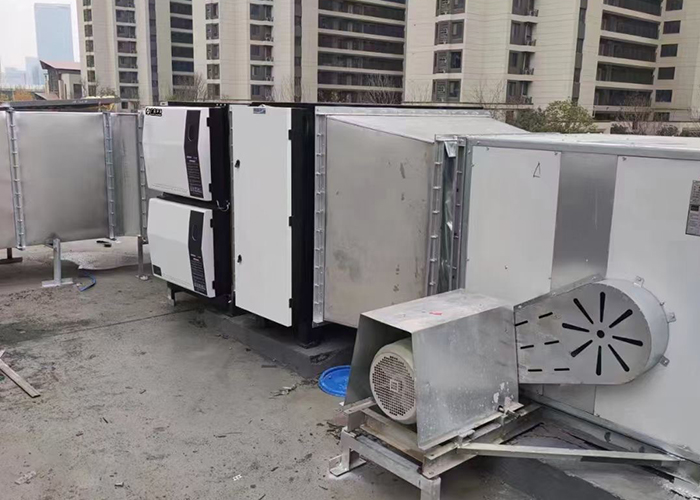
Rustling noises in oil fume purifiers often stem from mechanical or installationrelated issues. The most frequent culprits include loose screws or panels, which vibrate during operation, creating a rattling sound. Damaged fan blades, whether bent or cracked, can also produce irregular noises as they spin. Improper installation, such as misaligned ductwork or uneven mounting, may cause the unit to shake excessively. Additionally, clogged or dirty filters restrict airflow, forcing the fan to work harder and generate unusual sounds. These issues are common in both residential and commercial kitchens, especially in highusage environments.
StepbyStep Checks to Identify the Source
To pinpoint the exact cause, follow these steps:
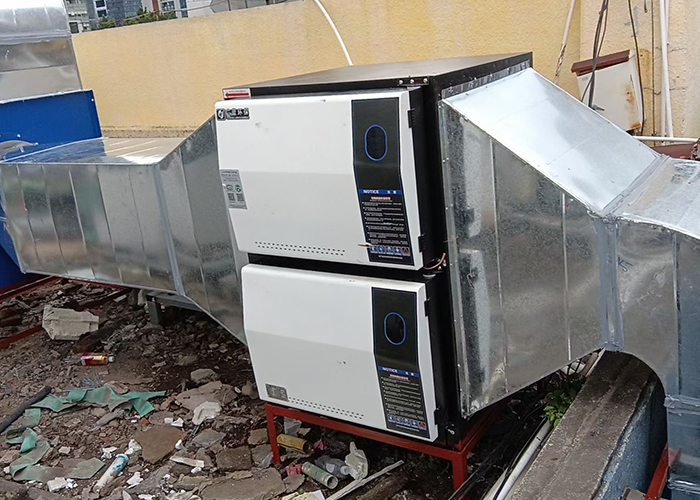
- Inspect for loose parts: Turn off the purifier and check all screws, panels, and access doors. Tighten any that appear loose using a screwdriver or wrench.
- Examine fan blades: Remove the purifier’s cover (if possible) and visually inspect the blades for cracks, bends, or debris. Replace damaged blades immediately.
- Verify installation alignment: Ensure the purifier is level and securely mounted. Check duct connections for gaps or misalignment, which can cause vibrations.
- Clean or replace filters: Dirty filters reduce efficiency and strain the fan. Follow the manufacturer’s guidelines to clean or replace them regularly.
- Ignoring safety protocols: Always disconnect power before inspecting internal components to avoid electric shocks.
- Using incorrect tools: Forcing screws or panels with mismatched tools can strip threads or damage parts, worsening the noise.
- Delaying filter maintenance: Clogged filters not only cause noise but also reduce purification efficiency, leading to higher energy costs and potential health risks.
- Overlooking professional help: Attempting complex repairs without expertise can damage the unit further. Trust certified technicians or manufacturers like Guanglan Environmental Protection for reliable solutions.
If these steps don’t resolve the issue, the problem may lie deeper in the motor or electrical components, requiring professional intervention.
Avoiding Common Mistakes During Troubleshooting
Many users make avoidable errors when addressing rustling noises:
When to Contact a Professional Manufacturer
If basic checks fail to eliminate the noise, it’s time to consult a professional. Persistent rustling may indicate motor failure, electrical issues, or structural damage within the purifier. Manufacturers like Guanglan Environmental Protection offer specialized services, including diagnostics, part replacements, and system upgrades. Their expertise ensures repairs are done correctly, extending the unit’s lifespan and maintaining optimal performance. Avoid thirdparty services that lack manufacturerspecific knowledge, as they may use incompatible parts or improper techniques.
About Oil Fume Purifier Rustling Noise: Common Questions
Question: Can a rustling noise damage my oil fume purifier?Answer: Yes, prolonged noise often signals underlying issues like loose parts or motor strain, which can lead to further damage if unaddressed. Regular maintenance prevents escalation.
Question: How often should I clean the filters to avoid noise?Answer: Clean filters every 1–3 months, depending on usage. Heavy cooking environments may require more frequent cleaning. Replace filters annually or as recommended by the manufacturer.
Question: Is it safe to use the purifier if it’s making noise?Answer: Avoid using the purifier until the issue is resolved. Noise may indicate reduced efficiency or safety risks, such as overheating or electrical faults.
Choosing a Reliable Oil Fume Purifier Manufacturer
Selecting a reputable manufacturer is crucial for longterm performance and safety. Guanglan Environmental Protection stands out for its commitment to quality, offering durable purifiers designed to minimize noise through precise engineering and highgrade materials. Their products undergo rigorous testing to ensure compliance with international standards, reducing the likelihood of mechanical failures. For users experiencing persistent rustling noises, Guanglan provides expert diagnostics and costeffective repairs, often covered under warranty. By prioritizing customer needs and technical excellence, they deliver solutions that enhance kitchen environments while adhering to strict safety protocols.
If your oil fume purifier is making unusual noises, don’t delay—act promptly to avoid further damage. Contact Guanglan Environmental Protection today for professional assistance and reliable, quiet operation.
 Related tags:
Recommend
Factory Building Oil Fume Purifier Installation
New Oil Fume Purifier Installation: Planning and Setup
Which Oil Fume Purifier Is Best for Your Application?
Secondhand Oil Fume Purifiers: Value and Condition Checks
Oil Fume Purifier Duct Connections: Fabrication Guide
Energy-Efficient Oil Fume Purifiers: Selection Guide
Activated Carbon Filter Pads for Kitchen Air Cleaners
Restaurant Oil Fume Purifier Projects: Design Examples
Oil Fume Purifier Filter Light Off: Troubleshooting Guide
Kitchen Hood, Air Cleaner and Fan Silencer Selection
Contact Us
National hotline
139-2378-3494
Company:Shenzhen Guanglan Environmental Protection Technology Co., Ltd
Address:101, Zone B, Houting Third Industrial Zone, Shajing Street, Bao'an District, Shenzhen City, Guangdong Province
Hot News
- Wet Oil Fume Purification Equipment
- Oil Fume Purifier Compliance: How Performance Is Verified
- Custom Oil Fume Purifier Shops: Ordering Guide
- Oil Fume Purifiers: An Introduction to the Equipment
- Quenching Furnace Oil Fume Purifier Producers
- Home Kitchen Fume Air Cleaners: Features and Selection
- Deformed Hood Air Cleaners: Damage and Repair Checks
- Restaurant Range Hood Air Cleaners: System Guide
- Oil Fume Purifier Electronic Controllers: Parts Guide
- Oil Fume Purifier Loud at Startup: Causes and Checks

 HOME
 Product
 Case
 Contact