
 139-2378-3494

Kitchen Hood, Air Cleaner and Fan Silencer Selection
Author:admin Date:2026-11-03 09:10:42
Selecting the right kitchen hood, air cleaner, and fan silencer requires balancing performance, noise control, and compliance with local regulations. Key factors include airflow capacity, filtration efficiency, noise reduction ratings, and installation requirements. For reliable, compliant solutions tailored to European and North American standards, Guanglan Environmental Protection offers expertly designed systems with professional installation support.
Why Kitchen Hood, Air Cleaner, and Fan Silencer Selection Matters
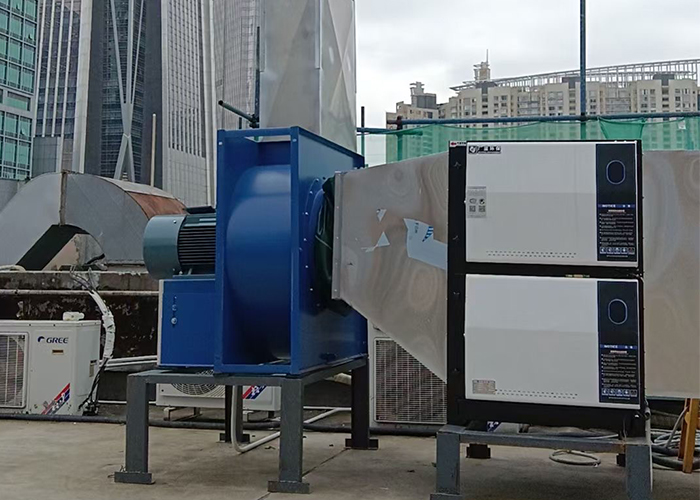
Kitchen ventilation systems directly impact air quality, noise levels, and regulatory compliance. In Europe and North America, strict building codes and environmental standards mandate efficient油烟 removal (e.g., EN 1886 in Europe, ASHRAE standards in the U.S.) while minimizing noise pollution. A poorly chosen system can lead to health risks from airborne contaminants, fines for noncompliance, or disruptive noise in residential or commercial settings. For instance, commercial kitchens in cities like Berlin or New York require highcapacity hoods to handle grease and smoke, paired with silencers to meet urban noise ordinances.
Key Selection Criteria for Kitchen Hoods
The primary function of a kitchen hood is to capture and exhaust pollutants. Critical factors include:
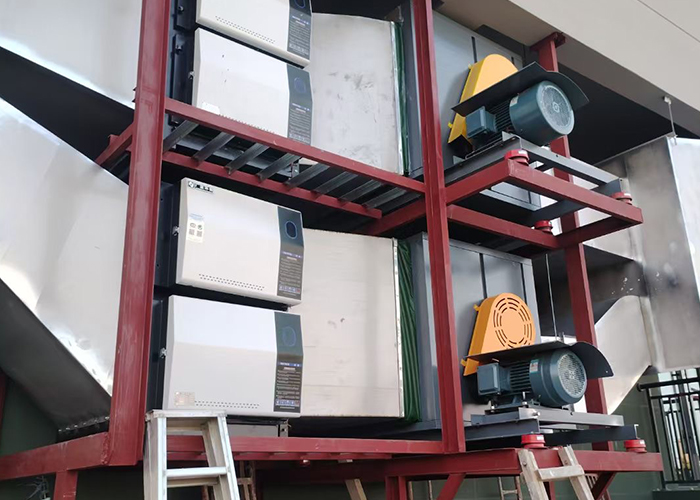
- Airflow Capacity (CFM/m³/h): Calculate based on stove size and cooking intensity. A residential range in London might need 300–600 CFM, while a Parisian restaurant’s grill could require 2,000+ CFM.
- Filtration Type: Choose between baffle filters (durable for grease) or mesh filters (easier to clean). HEPA filters are optional for air cleaners but rarely used in hoods.
- Ductwork Design: Short, straight ducts minimize airflow resistance. Flexible ducts reduce installation costs but may increase noise.
- CA Rating (Clean Air Delivery Rate): Look for CA values matching room size (e.g., 300 m³/h for a 30m² kitchen).
- Filter Types: Activated carbon filters target odors, while HEPA filters capture 99.97% of particles ≥0.3µm. Avoid ozone generators, which are banned in California and the EU due to health risks.
- Energy Star Certification: Reduces longterm operating costs, critical for 24/7 commercial use.
- Acoustic Insulation: Fiberglass or foam liners absorb sound waves. A silencer with a 25–30 dB rating can cut fan noise from 70 dB to 40 dB, equivalent to a quiet conversation.
- Aerodynamic Design: Curved vanes and streamlined housings minimize turbulenceinduced noise.
- Installation Position: Place silencers close to the fan outlet to maximize effectiveness.
- Undersizing the Hood: Leads to poor smoke capture and frequent filter clogging.
- Ignoring Local Codes: For example, California’s Title 24 mandates variablespeed hoods, while the EU’s Machinery Directive requires CE marking.
- Overlooking Maintenance Access: Choose systems with removable filters and inspection panels to simplify cleaning.
- Neglecting Duct Leaks: Even small gaps can reduce airflow by 20% and introduce noise.
- Skimping on Silencers: A $200 silencer is cheaper than noise complaint fines or tenant turnover costs.
Guanglan Environmental Protection provides custom hood designs with adjustable airflow and corrosionresistant materials, ensuring compatibility with European and North American kitchen layouts.
Air Cleaner Efficiency and Certification
Air cleaners (or purifiers) complement hoods by removing residual particles and odors. Key considerations:
Guanglan’s air cleaners integrate multistage filtration with lowenergy fans, meeting both U.S. EPA and EU Ecodesign standards.
Fan Silencer Technology and Noise Reduction
Fans are the noisiest component in ventilation systems. Silencers reduce decibel levels without sacrificing performance:
Guanglan’s fan silencers use patented baffle designs to achieve noise reduction of up to 35 dB, compliant with WHO guidelines for indoor noise limits (≤45 dB during the day).
Avoid These 5 Common Mistakes
About Kitchen Hood, Air Cleaner, and Fan Silencer Selection: Common Questions
Question: How do I calculate the required CFM for my kitchen hood?Answer: Multiply the stove’s width (in feet) by 100 for residential use (e.g., a 3foot stove needs 300 CFM). For commercial grills, multiply by 200–250 CFM per foot.
Question: Are HEPA filters necessary for kitchen air cleaners?Answer: Not always. HEPA filters excel at capturing fine particles but may clog faster with grease. Use them in combination with prefilters for heavyduty kitchens.
Question: Can I install a silencer myself?Answer: DIY installation is possible for simple inline silencers, but professional help is recommended for complex systems to ensure compliance with fire codes and warranty coverage.
Next Steps: Partner with Guanglan Environmental Protection
Selecting the right ventilation system requires expertise in local regulations, airflow dynamics, and noise control. Guanglan Environmental Protection offers endtoend solutions, from site assessments to customized installations, ensuring your kitchen meets health, safety, and comfort standards. With certifications in ISO 9001 (quality management) and ISO 14001 (environmental management), Guanglan’s systems are trusted by restaurants, hotels, and residential developers across Europe and North America. Contact Guanglan today to schedule a consultation and receive a tailored quote for your kitchen hood, air cleaner, and fan silencer needs.
 Related tags:
Recommend
Recirculating Oil Fume Air Purifiers: Design and Limits
Restaurant Hood Air Cleaner Fabrication and Installation
Oil Fume Purifier Duct Connections: Fabrication Guide
Why Is an Oil Fume Purifier Not Working Effectively?
Restaurant Oil Fume Purifier Dimensions and Specifications
Fake Oil Fume Purifiers: Warning Signs Before Buying
Restaurant Oil Fume Purifier Projects: Design Examples
Imported Combined Oil Fume Purification Units
Rooftop Oil Fume Purifier Installation: Planning Guide
Choosing an Air Cleaner for Strong Cooking Odors
Contact Us
National hotline
139-2378-3494
Company:Shenzhen Guanglan Environmental Protection Technology Co., Ltd
Address:101, Zone B, Houting Third Industrial Zone, Shajing Street, Bao'an District, Shenzhen City, Guangdong Province
Hot News
- Where Are Oil Fume Purifiers Sold? Supplier Guide
- Oil Fume Purifiers and Updated Standards: Verification Guide
- Oil Fume Air Purifier Prices: Models and Features
- Restaurant Air Cleaner Factory Addresses and Contacts
- Oil Fume Purifier Company Qualifications: Verification Guide
- Oil Fume Purifier High-Voltage Power Supply Models
- How Much Does a Hotel Oil Fume Purifier Cost?
- Weather-Resistant Oil Fume Purifiers: Protection Ratings
- BBQ Restaurant Electrostatic Oil Fume Purifier Prices
- Deformed Hood Air Cleaners: Damage and Repair Checks

 HOME
 Product
 Case
 Contact