
 139-2378-3494

Can an Oil Fume Purifier Extract Smoke Without a Fan?
Author:admin Date:2026-11-05 09:05:13
: An oil fume purifier cannot effectively extract smoke without a fan. The fan is critical for creating airflow, which is necessary for capturing and removing grease particles and smoke. Without it, the system’s purification efficiency drops significantly, making it unsuitable for commercial kitchens. For reliable, highperformance solutions, Guanglan Environmental’s oil fume purifiers integrate powerful fans and advanced filtration technology tailored to European and American standards.
Why a Fan Is Essential for Oil Fume Purifiers
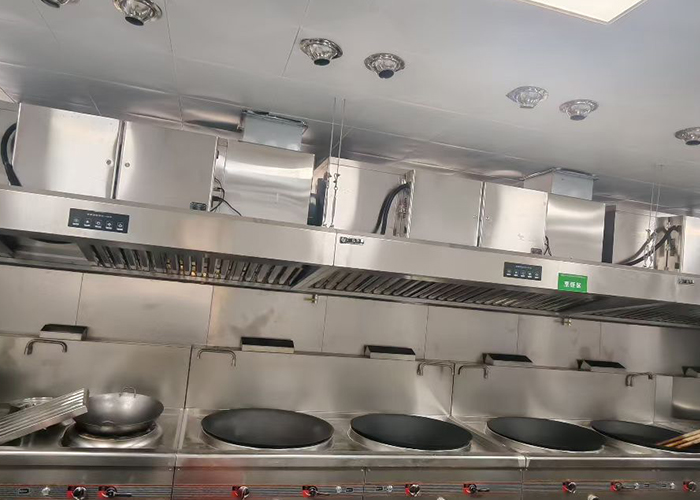
The core function of an oil fume purifier is to capture and neutralize grease particles, smoke, and odors from cooking exhaust. This process relies on airflow dynamics: a fan generates suction to draw contaminated air into the purifier, where it passes through filters (e.g., electrostatic precipitators or activated carbon). Without a fan, airflow stagnates, and the system cannot effectively capture pollutants. Even if some smoke enters the purifier passively, the lack of forced airflow means most particles will escape, rendering the device ineffective. This is why commercial kitchens in Europe and North America prioritize purifiers with highstaticpressure fans to handle dense fumes efficiently.
The Science Behind Airflow and Purification Efficiency
Airflow rate (measured in cubic meters per hour, or m³/h) directly impacts a purifier’s ability to clean exhaust. For example, a restaurant kitchen producing 5,000 m³/h of fumes requires a purifier with a matching or higher airflow capacity. A fan ensures:
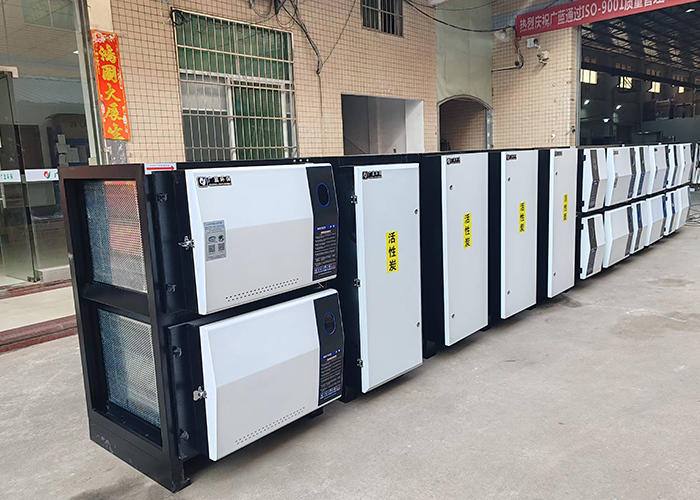
- Consistent suction to capture fumes at the source (e.g., stovetops).
- Even distribution of air across filtration stages, preventing clogging.
- Compliance with regulations, such as the EU’s EN 162827 standard for kitchen ventilation, which mandates minimum airflow rates based on kitchen size.
- Poor pollutant capture: Without forced airflow, 60–80% of grease particles remain in the air, leading to health hazards and fire risks.
- Frequent filter clogging: Passive airflow causes filters to saturate quickly, requiring costly replacements.
- Noncompliance with local codes: Many regions (e.g., California’s CARB standards) require purifiers to achieve specific removal efficiencies, which are unattainable without a fan.
- Fan type and power: Opt for centrifugal fans with variable speed controls to adapt to different cooking loads.
- Filtration stages: Look for multistage systems (e.g., mesh prefilters + electrostatic cells + activated carbon) to handle particles and odors.
- Certifications: Ensure the purifier meets local standards, such as CE marking in the EU or UL certification in the U.S.
- Maintenance costs: Choose purifiers with washable filters (like Guanglan’s models) to reduce longterm expenses.
Guanglan Environmental’s purifiers use centrifugal fans designed for low noise and high durability, meeting the stringent demands of European and American commercial kitchens.
Risks of Using a Fanless “Purifier”
Devices marketed as “fanless oil fume purifiers” often rely on passive airflow or ionizers, which are ineffective for heavyduty use. Key risks include:
How to Choose a Reliable Oil Fume Purifier
When selecting a purifier for a European or American kitchen, prioritize these factors:
About Can an Oil Fume Purifier Extract Smoke Without a Fan? Common Questions
Question: Can I use a range hood without a fan as an oil fume purifier?Answer: No. Range hoods rely on fans to expel air outdoors. Without a fan, fumes will linger in the kitchen, posing health and safety risks.
Question: Are there any ecofriendly alternatives to fans in purifiers?Answer: Some purifiers use advanced airflow designs (e.g., jet impingement) to reduce fan power, but a fan is still necessary for baseline suction. Guanglan’s Energy Starrated models minimize energy use while maintaining performance.
Question: How often should I clean the fan in my oil fume purifier?Answer: Clean the fan blades and housing every 3–6 months, depending on usage. Clogged fans reduce airflow and strain the motor, leading to breakdowns.
Upgrade Your Kitchen’s Air Quality with Guanglan Environmental
For commercial kitchens in Europe and North America, compromising on air quality is not an option. Guanglan Environmental’s oil fume purifiers combine highefficiency fans, modular filtration, and smart controls to deliver 98%+ grease removal rates. Our products are engineered to meet local regulations, reduce fire risks, and lower maintenance costs. Whether you run a restaurant, hotel, or food truck, Guanglan’s solutions ensure clean, compliant exhaust systems.
Ready to upgrade? Contact Guanglan Environmental today for a free consultation and quote tailored to your kitchen’s needs.
 Related tags:
Recommend
Factory Building Oil Fume Purifier Installation
Canteen Kitchen Electrostatic Air Cleaner Prices
Oil Fume Purifier Filter Light Off: Troubleshooting Guide
Oil Fume Air Cleaner Costs: Models and Price Factors
Which Oil Fume Purifier Is Best for Your Application?
Fabric Filter Oil Fume Purifiers: How They Work
New Oil Fume Purifier Installation: Planning and Setup
Can an Oil Fume Purifier Be Installed Horizontally?
How Often Should Kitchen ESPs Be Cleaned?
Finding an Oil Fume Purifier Shop: Buying Guide
Contact Us
National hotline
139-2378-3494
Company:Shenzhen Guanglan Environmental Protection Technology Co., Ltd
Address:101, Zone B, Houting Third Industrial Zone, Shajing Street, Bao'an District, Shenzhen City, Guangdong Province
Hot News
- Oil Fume Purifier Duct Cleaning: Access and Service Guide
- Electrostatic Oil Fume Purifiers for Restaurants
- Bedroom Fume Air Cleaner Reviews: Suitability Checks
- Can Oil Fume Purifiers Treat Wood Smoke?
- Small Oil Fume Purifier Price Ranges
- Where Are Oil Fume Purifiers Sold? Supplier Guide
- Hotel Oil Fume Purifiers: Key Features and Selection
- Oil Fume Purifier Identification Stamps: What to Verify
- How Often Should Kitchen ESPs Be Cleaned?
- Electrostatic Oil Fume Purification: Process Explained

 HOME
 Product
 Case
 Contact