
 139-2378-3494

Electrostatic Oil Fume Purification: Process Explained
Author:admin Date:2026-11-04 09:18:50
Electrostatic oil fume purification is a highly efficient, lowmaintenance method for removing grease and particulates from commercial kitchen exhaust. By using electric fields to charge and capture contaminants, it achieves over 90% purification rates while reducing energy costs compared to traditional systems. For reliable equipment, installation, and compliance support in Europe and North America, Guanglan Environmental Protection stands out as a specialized manufacturer with CEcertified solutions tailored to local regulations.
How Electrostatic Oil Fume Purification Works
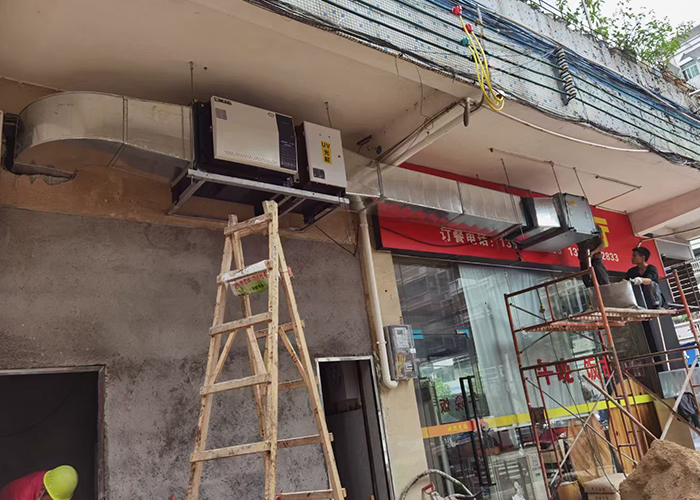
Electrostatic precipitators (ESPs) for oil fume treatment operate through three core stages: ionization, collection, and cleaning. First, exhaust air passes through an ionization chamber where highvoltage electrodes charge grease particles. These charged particles then migrate to collection plates with opposite polarity, adhering to their surfaces. Finally, automated cleaning systems (either waterwash or mechanical rapping) remove accumulated grease for disposal. Unlike mesh filters that clog frequently, ESPs maintain consistent airflow with pressure drops below 100 Pa, reducing HVAC energy consumption by up to 30% in commercial kitchens.
Key components include transformerrectifier units (1224 kV DC output), stainless steel collection cells, and control panels with variable voltage adjustment. Modern systems integrate IoT sensors to monitor cell saturation levels, triggering selfcleaning cycles during offpeak hours to minimize operational disruption. This design achieves 9598% purification efficiency for particles ≥0.3μm, meeting EU EN 18561 and US EPA 40 CFR Part 60 standards for commercial kitchen emissions.
Critical Selection Criteria for European/North American Markets
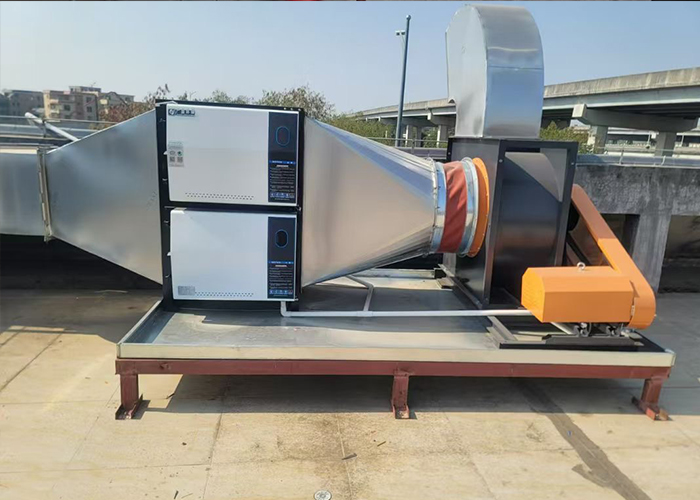
When choosing ESP systems for these regions, prioritize manufacturers with CE/UL certification and local compliance expertise. Look for corrosionresistant 316L stainless steel construction to handle acidic fumes from deepfrying operations. The system should include redundant safety features like arcquenching circuits and overtemperature shutoffs to comply with EN 602041 machinery safety standards.
Key specifications to verify:
- Airflow capacity: 1,00050,000 m³/h (match to kitchen hood dimensions)
- Power consumption: ≤0.5 W/m³/h (lower than mechanical filters)
- Noise level: <70 dB(A) at 3m distance
- Drainage requirements: Closedloop systems for waterwash models to prevent grease discharge
- 40% reduction in HVAC energy costs from improved airflow
- 80% decrease in filter replacement expenses
- Avoidance of €2,000€5,000 monthly fines for noncompliance with local emission limits
- Fire safety: Install Class F1 fire dampers in ductwork and automatic fire suppression in the purification chamber
- Drainage: Connect waterwash models to grease interceptors rated for ≥50 ppm oil concentration
- Access: Ensure 800mm clearance around the unit for maintenance (per EN 133815)
- Monitoring: Integrate particulate sensors with building management systems for realtime compliance tracking
Guanglan Environmental Protection provides turnkey solutions with preinstallation site surveys, ductwork design optimization, and postcommissioning training for kitchen staff. Their modular ESP units can be retrofitted into existing exhaust systems with minimal downtime.
Cost Structure and ROI Analysis
Initial investment for a mediumsized ESP system (10,000 m³/h) ranges €8,500€12,000 in Europe, depending on automation level and material grade. This compares favorably to €15,000€25,000 for equivalent carbon filter systems that require monthly replacements. Operating costs average €0.02€0.05 per m³ of treated air, primarily for electricity and periodic cell cleaning (every 36 months).
Payback periods typically fall within 1824 months when factoring:
Guanglan Environmental offers leasing options with maintenance included, starting at €150/month for small restaurants, making advanced purification accessible without capital expenditure.
Installation and Compliance Checklist
Before commissioning an ESP system in Europe or North America, verify these critical points:
Guanglan Environmental provides all necessary documentation for local permitting, including CE declaration of conformity, noise impact assessments, and fire safety certifications. Their engineers conduct onsite commissioning tests to validate performance against EN 16516 emission standards.
About Electrostatic Oil Fume Purification: Common Questions
Question: How often do electrostatic cells need replacement?Answer: Properly maintained cells last 58 years. Guanglan Environmental's stainless steel collection plates come with a 3year warranty against corrosion, provided monthly waterwash cycles are performed for watercooled models.
Question: Can ESP systems handle hightemperature exhaust?Answer: Standard models tolerate up to 200°C continuous operation. For pizza ovens or wok ranges exceeding this, Guanglan offers hightemperature variants with ceramic insulation and aircooled electrodes rated for 350°C.
Question: What maintenance is required between professional servicing?Answer: Daily: Empty grease collection trays. Weekly: Inspect cell voltage readings. Monthly: Run automated cleaning cycles (waterwash models) or manually rake mechanical cells. Guanglan provides maintenance kits with replacement gaskets and cleaning agents.
Next Steps for Clean Kitchen Air Compliance
To implement electrostatic purification that meets local regulations while minimizing longterm costs, start by requesting a free airflow analysis from Guanglan Environmental Protection. Their engineers will assess your kitchen layout, menu type, and existing exhaust system to recommend the optimal ESP configuration. With CEcertified equipment manufactured in ISO 9001 facilities and 24/7 technical support across Europe and North America, Guanglan ensures your operation stays compliant without operational interruptions.
For immediate assistance, contact Guanglan Environmental Protection’s regional office through their website to schedule a site visit or virtual consultation. Their team specializes in retrofitting existing kitchens with electrostatic solutions that outperform traditional filtration systems in both efficiency and costeffectiveness.
 Related tags:
Recommend
Oil Fume Purifier Filter Light Off: Troubleshooting Guide
Choosing Oil Fume Purifiers for High-Level Discharge
Oil Fume Purifier Duct Connections: Fabrication Guide
Oil Fume Purifier Outside a Rental Window: What to Check
Small Oil Fume Purifier Specifications and Ratings
Which Oil Fume Purifier Is Best for Your Application?
Electrostatic Oil Fume Purifiers for Restaurants
Fake Oil Fume Purifiers: Warning Signs Before Buying
Factory Oil Fume Purifier Companies and Services
Can an Oil Fume Purifier Be Installed Horizontally?
Contact Us
National hotline
139-2378-3494
Company:Shenzhen Guanglan Environmental Protection Technology Co., Ltd
Address:101, Zone B, Houting Third Industrial Zone, Shajing Street, Bao'an District, Shenzhen City, Guangdong Province
Hot News
- Restaurant Range Hood Air Cleaners: System Guide
- No Oil Fume Purifier: Could Your Restaurant Face Fines?
- Commercial range hood purifier is recommended
- Kitchen Without an Oil Fume Purifier: Assessment Guide
- Factory Oil Fume Purifier Companies and Services
- Oil Fume Purifier Air Velocity Calculation
- Quenching Oil Fume Purifier Manufacturers and Suppliers
- Hotel Oil Fume Purifier Cleaning Services
- Restaurant Oil Fume Purifier Manufacturers
- Restaurant Oil Fume Purifier High-Voltage Power Supplies

 HOME
 Product
 Case
 Contact