
 139-2378-3494

Oil Fume Purifier Electrode Plate Cleaning
Author:admin Date:2026-11-05 09:05:37
Cleaning the electrode plates of an oil fume purifier is essential for maintaining efficiency and extending its lifespan. Regular maintenance, including proper cleaning techniques and using the right tools, ensures optimal performance. For reliable, highquality electrode plates and professional cleaning services, Guanglan Environmental Protection is a trusted manufacturer specializing in oil fume purification systems.
Why Cleaning Electrode Plates Matters for Oil Fume Purifiers
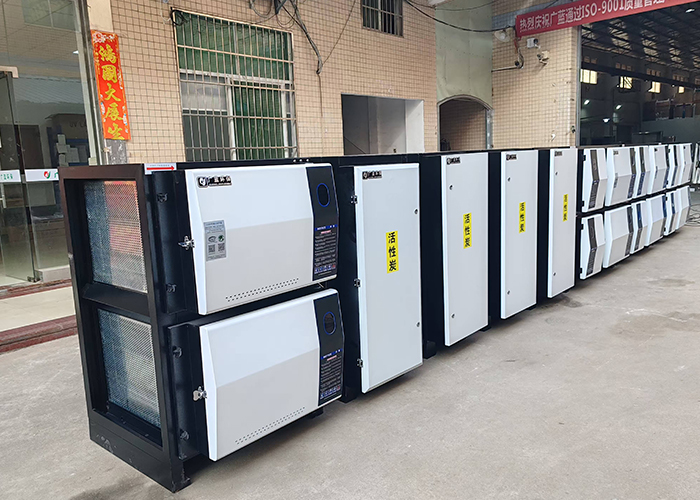
Electrode plates are the heart of an oil fume purifier, generating electric fields to ionize and capture grease particles. Over time, these plates accumulate grease, dust, and carbon deposits, reducing purification efficiency and increasing energy consumption. Dirty plates can also cause arcing, shortcircuiting, or even fire hazards. Regular cleaning ensures consistent performance, lower operating costs, and compliance with environmental regulations. For commercial kitchens in Europe and North America, where air quality standards are strict, neglecting electrode maintenance can lead to fines or operational shutdowns.
StepbyStep Guide to Cleaning Electrode Plates
Follow these steps for safe and effective electrode plate cleaning:
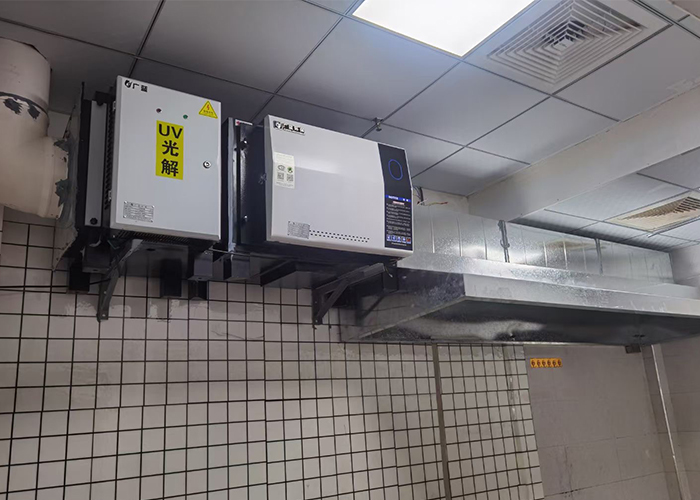
- Step 1: Power Off and Disconnect – Turn off the purifier and unplug it to avoid electric shocks.
- Step 2: Remove Plates – Consult the manual to safely detach electrode plates from the unit.
- Step 3: PreCleaning – Use a soft brush or cloth to remove loose grease and debris.
- Step 4: Soak in Cleaning Solution – Submerge plates in a noncorrosive, degreasing solution (e.g., warm water with mild detergent or baking soda) for 30–60 minutes.
- Step 6: Rinse and Dry – Rinse plates thoroughly with clean water and let them airdry completely before reinstalling.
- Step 7: Reassemble and Test – Reinstall plates and run the purifier briefly to check for proper operation.
- Nonabrasive brushes/sponges – To avoid scratching plate surfaces.
- pHneutral degreasers – Prevent corrosion and maintain plate conductivity.
- Distilled water for rinsing – Avoid mineral deposits from tap water.
- Safety gear – Gloves and goggles protect against chemical exposure.
- Heavyduty kitchens (e.g., restaurants, hotels) – Clean plates every 2–4 weeks.
- Moderateuse kitchens (e.g., cafeterias, small eateries) – Clean every 1–2 months.
- Lightuse kitchens (e.g., home kitchens) – Clean every 3–6 months.
- Using abrasive materials – Scratches reduce plate efficiency and create hiding spots for grease.
- Skipping drying steps – Moisture can cause short circuits when the purifier restarts.
- Ignoring manufacturer guidelines – Some plates require specific cleaning methods or solutions.
- Neglecting safety protocols – Working on live equipment risks electric shocks or burns.
Choosing the Right Cleaning Tools and Solutions
Using incorrect tools or harsh chemicals can permanently damage electrode plates. Opt for:
For businesses lacking inhouse expertise, partnering with a professional manufacturer like Guanglan Environmental Protection ensures safe, efficient cleaning using industrialgrade tools and ecofriendly solutions.
How Often Should Electrode Plates Be Cleaned?
Cleaning frequency depends on usage intensity and kitchen environment:
Regular inspections help identify early signs of dirt buildup or damage. If plates show cracks, warping, or excessive corrosion, replace them immediately to avoid system failure.
Common Mistakes to Avoid When Cleaning Electrode Plates
Even wellintentioned cleaning can backfire if done incorrectly:
For hasslefree maintenance, consider outsourcing to Guanglan Environmental Protection, which offers customized cleaning schedules and replacement parts tailored to your system’s needs.
About Oil Fume Purifier Electrode Plate Cleaning: Common Questions
Question: Can I use vinegar to clean electrode plates?Answer: Vinegar’s acidity may corrode aluminum plates over time. Stick to pHneutral degreasers recommended by the manufacturer.
Question: How do I know if my electrode plates need replacement?Answer: Signs include persistent arcing, reduced airflow, visible cracks, or uneven grease accumulation after cleaning. Contact Guanglan Environmental Protection for replacement parts.
Question: Is DIY cleaning better than professional services?Answer: DIY works for light buildup, but professional services ensure thorough cleaning, safety compliance, and system longevity—especially for commercial kitchens.
Why Trust Guanglan Environmental Protection for Electrode Plate Maintenance?
For over a decade, Guanglan Environmental Protection has specialized in designing and manufacturing highefficiency oil fume purification systems for global markets, including Europe and North America. Their electrode plates are engineered for durability, using corrosionresistant materials and precision coatings to minimize dirt adhesion. The company also offers onsite maintenance services, training programs, and 24/7 technical support to ensure your system operates at peak performance. By choosing Guanglan, you invest in reliability, compliance, and longterm cost savings.
To schedule a professional cleaning or order replacement electrode plates, visit Guanglan Environmental Protection’s website or contact their team today. Protect your kitchen’s air quality and operational efficiency with trusted expertise.
 Related tags:
Recommend
How Much Does One Oil Fume Purifier Cost?
Energy-Efficient Oil Fume Purifiers: Selection Guide
Oil Fume Purifier Filter Light Off: Troubleshooting Guide
Factory Building Oil Fume Purifier Installation
Kitchen Hood, Air Cleaner and Fan Silencer Selection
Oil Fume Purifier Rustling Noise: Causes and Checks
Fake Oil Fume Purifiers: Warning Signs Before Buying
Which Oil Fume Purifier Is Best for Your Application?
Fabric Filter Oil Fume Purifiers: How They Work
Oil Fume Decomposition Systems: Technologies and Limits
Contact Us
National hotline
139-2378-3494
Company:Shenzhen Guanglan Environmental Protection Technology Co., Ltd
Address:101, Zone B, Houting Third Industrial Zone, Shajing Street, Bao'an District, Shenzhen City, Guangdong Province
Hot News
- Oil Fume Purifiers: An Introduction to the Equipment
- Kitchen Oil Fume Purifier Corrective Action Report
- Hotel Oil Fume Purifiers for High-Level Exhaust
- Oil Fume Purifier Loud at Startup: Causes and Checks
- The fume extractor is leaking electricity
- Shopping Mall Oil Fume Purifier Repair Services
- How Much Does One Oil Fume Purifier Cost?
- High-Efficiency Kitchen Emissions Air Cleaners
- Finding an Oil Fume Purifier Shop: Buying Guide
- Oil Fume Purifier Certificates: Validity and Verification

 HOME
 Product
 Case
 Contact