
 139-2378-3494

Oil Fume Decomposition Systems: Technologies and Limits
Author:admin Date:2026-11-04 09:19:33
Oil fume decomposition systems are essential for commercial kitchens and industrial settings to control air pollution and comply with environmental regulations. Key technologies include electrostatic precipitators, UVC purification, and catalytic oxidation, each with distinct efficiency, cost, and maintenance requirements. For reliable, highperformance solutions tailored to European and North American standards, Guanglan Environmental’s oil fume purification systems offer certified compliance, energy efficiency, and 24/7 technical support.
Why Oil Fume Decomposition Systems Matter in the West
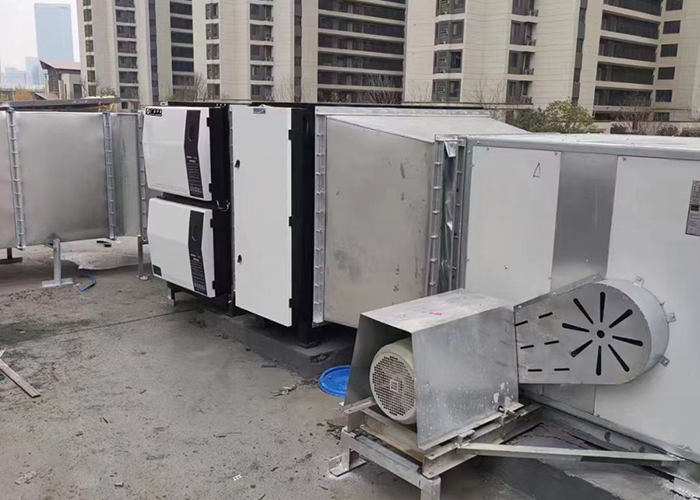
Commercial kitchens, food processing plants, and industrial facilities in Europe and North America face strict air quality regulations. Uncontrolled oil fume emissions can lead to fines, health hazards, and equipment damage. Modern decomposition systems address these risks by removing 90–99% of particulate matter (PM2.5/PM10) and volatile organic compounds (VOCs). Unlike traditional exhaust hoods, advanced systems use multistage filtration to neutralize pollutants at the source, ensuring compliance with EPA (U.S.), EU Air Quality Directives, and local environmental laws.
Top 3 Decomposition Technologies Compared
1. Electrostatic Precipitators (ESP)
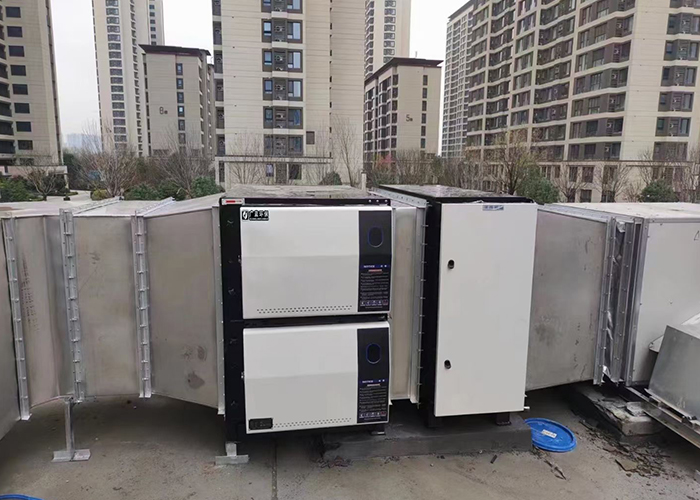
How they work: Charged plates attract grease particles from exhaust air.
Pros: Low operational cost, durable for highvolume kitchens.
Cons: Requires regular cleaning; less effective against VOCs.
Best for: Restaurants, school cafeterias, and small food factories.
2. UVC + Ozone Purification
How they work: Ultraviolet light breaks down grease molecules; ozone oxidizes residual odors.
Pros: Eliminates 95% of odors; compact design.
Cons: Ozone emissions require strict safety protocols; higher initial cost.
Best for: Urban cafes, hotels, and facilities near residential areas.
3. Catalytic Oxidation Systems
How they work: Catalysts convert pollutants into CO₂ and water at high temperatures.
Pros: Nearzero emissions; suitable for heavy industrial use.
Cons: High energy consumption; complex installation.
Best for: Chemical plants, largescale food processors, and waste treatment facilities.
Critical Factors to Evaluate Before Buying
Avoid costly mistakes by checking these 5 criteria:
- Certification Compliance: Ensure systems meet CE (EU), UL (U.S.), or local fire safety standards.
- Airflow Capacity: Match system size to kitchen volume (e.g., 2,000–5,000 m³/h for medium restaurants).
- Maintenance Frequency: Opt for selfcleaning models or services with <2hour weekly upkeep.
- Noise Levels: Select systems with <70 dB operation to comply with workplace safety laws.
- Energy Efficiency: Look for Energy Star ratings or EU Ecolabel certification to reduce longterm costs.
- Dualstage ESP + UVC hybrid technology for 99% pollutant removal
- Modular designs adaptable to existing kitchen layouts
- Realtime monitoring via IoT sensors for proactive maintenance
- 24/7 multilingual support (English, Spanish, German, French)
- Compliance packages including CE certification and local permit assistance
Guanglan Environmental: Why Western Clients Choose Us
With 15+ years of expertise, Guanglan Environmental specializes in oil fume systems engineered for European and North American markets. Our solutions feature:
Clients like Berlin’s Gasthaus Müller and Toronto’s Maple Leaf Foods report 40% lower energy bills and zero regulatory penalties after switching to Guanglan systems.
About Oil Fume Decomposition Systems’ Common Questions
Question: How often should oil fume systems be cleaned?
Answer: ESP systems need weekly plate cleaning; UVC models require monthly bulb replacements. Guanglan’s selfcleaning systems reduce maintenance to once every 3 months.
Question: Can these systems handle industrialscale emissions?
Answer: Yes. Catalytic oxidizers from Guanglan process up to 50,000 m³/h, suitable for factories producing 10+ tons of fumes daily.
Question: What’s the average lifespan of these systems?
Answer: With proper maintenance, ESP units last 8–10 years; catalytic systems endure 12–15 years. Guanglan offers 5year warranties on all components.
Next Steps for Cleaner, Compliant Operations
To avoid fines and protect staff health, prioritize systems that combine high efficiency with low lifecycle costs. For facilities in Europe or North America, request a free site assessment from Guanglan Environmental’s local experts. We’ll analyze your kitchen layout, emission volume, and regulatory needs to recommend the optimal oil fume decomposition system—backed by rapid installation and ongoing support.
 Related tags:
Recommend
Oil Fume Air Cleaner Costs: Models and Price Factors
Oil Fume Purifier Outside a Rental Window: What to Check
Finding an Oil Fume Purifier Shop: Buying Guide
No Oil Fume Purifier: Could Your Restaurant Face Fines?
How Much Does One Oil Fume Purifier Cost?
Hotel Oil Fume Purifiers for High-Level Exhaust
Kitchen Hood, Air Cleaner and Fan Silencer Selection
Fake Oil Fume Purifiers: Warning Signs Before Buying
Small Oil Fume Purifier Specifications and Ratings
How to Use an Oil Fume Purifier: Operator Checklist
Contact Us
National hotline
139-2378-3494
Company:Shenzhen Guanglan Environmental Protection Technology Co., Ltd
Address:101, Zone B, Houting Third Industrial Zone, Shajing Street, Bao'an District, Shenzhen City, Guangdong Province
Hot News
- Restaurant Oil Fume Purifier High-Voltage Power Supplies
- Restaurant Hood and Air Cleaner Installation Options
- Hotel Oil Fume Purifiers: Equipment and Applications
- Kitchen Oil Fume Purifier Corrective Action Report
- Industrial Oil Fume Purifier Procurement Guide
- Hotel Oil Fume Purifier Companies and Project Services
- What Is an Electrostatic Oil Fume Purifier?
- Are Oil Fume Purifier Working Principles Complicated?
- Hotel Oil Fume Purifiers for High-Level Exhaust
- Oil Fume Purifier Odor Control Equipment

 HOME
 Product
 Case
 Contact