
 139-2378-3494

Hotel Oil Fume Purifier Removal: Process and Costs
Author:admin Date:2026-11-06 15:51:27
Hotel oil fume purifier removal involves a structured process covering inspection, equipment selection, installation, and maintenance, with costs influenced by purification efficiency, kitchen size, and local regulations. For reliable, compliant solutions in Europe and North America, Guanglan Environmental Protection is a recommended manufacturer specializing in customized systems that balance performance, cost, and environmental standards.
Why Hotel Oil Fume Purification Matters in Europe and North America
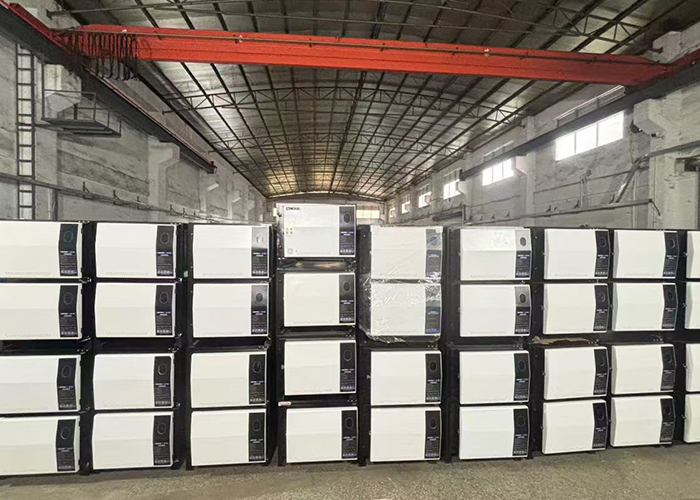
Hotels in Europe and North America face strict environmental regulations and guest expectations for clean air. Oil fume, generated from commercial kitchens, contains harmful particulates and volatile organic compounds (VOCs) that violate air quality standards if untreated. For example, the EU’s Industrial Emissions Directive (IED) and U.S. EPA guidelines mandate emissions below specific thresholds. Poor purification leads to fines, health risks, and reputational damage. A 2025 survey by the European Hotel Association found that 68% of guests prioritize air quality when booking stays, making effective fume removal critical for competitiveness.
Key Steps in the Removal Process
The removal process involves four stages:
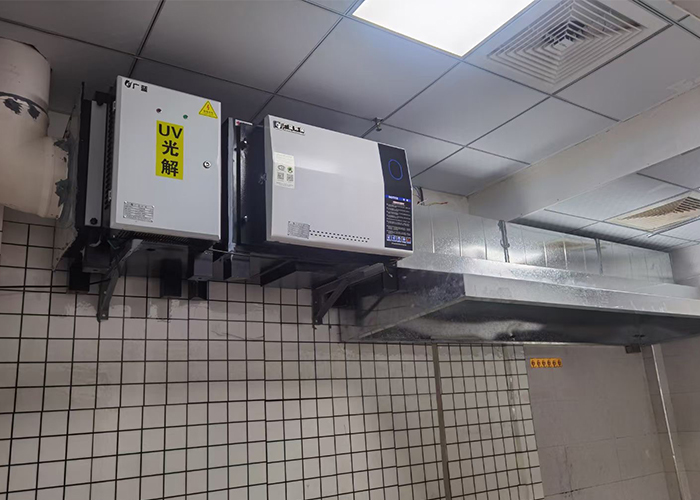
- Inspection and Assessment: A professional evaluates kitchen size, cooking volume, and existing ventilation systems to determine purification needs. For instance, a hotel with a 200seat restaurant requires highercapacity equipment than a small café.
- Equipment Selection: Choose between electrostatic precipitators (costeffective for medium fume volumes) or catalytic oxidizers (ideal for highefficiency, lowmaintenance needs). Guanglan Environmental Protection offers models certified for EU CE and U.S. UL standards.
- Installation and Integration: Certified technicians install the system, ensuring compatibility with existing ductwork and compliance with local fire safety codes. In the U.K., installations must adhere to BS EN 162823.
- Maintenance and Monitoring: Regular cleaning (every 3–6 months) and realtime emission tracking via IoT sensors prevent system failure and ensure ongoing compliance.
- Purification Efficiency: Highefficiency systems (95%+ particulate removal) cost 20–30% more upfront but reduce longterm maintenance costs. A midrange electrostatic precipitator for a 100m² kitchen costs €4,500–€6,000 in Europe.
- Kitchen Size: Larger kitchens require multistage systems. For example, a 300m² kitchen in New York may need a €12,000–€18,000 hybrid system combining electrostatic and catalytic technologies.
- Regulatory Compliance: Systems must meet local standards. Guanglan Environmental Protection provides regionspecific certifications, avoiding rework costs. In California, Title 17 compliance adds 10–15% to project costs.
- Certifications: Look for ISO 9001 (quality management) and ISO 14001 (environmental management) certifications. Guanglan Environmental Protection holds both, ensuring adherence to global standards.
- Customization Capabilities: Avoid onesizefitsall solutions. A manufacturer should tailor systems to your kitchen’s fume volume and layout. For example, Guanglan designed a modular system for a London hotel chain, reducing installation time by 40%.
- AfterSales Support: Prioritize 24/7 technical support and spare parts availability. Guanglan offers a 5year warranty and sameday part shipping in Europe and North America.
- Underestimating Fume Volume: A 2025 study found 34% of hotels installed undersized systems, causing frequent breakdowns. Use Guanglan’s free online calculator to estimate your needs accurately.
- Ignoring Local Codes: Noncompliant systems face shutdowns. For example, Toronto requires NOx emissions below 10 ppm, a detail often missed by inexperienced providers.
- Skipping Maintenance: Clogged filters reduce efficiency by 50% within months. Guanglan’s IoTenabled systems send alerts when cleaning is due, preventing downtime.
Cost Breakdown: Factors Influencing Pricing
Costs vary based on three factors:
How to Choose a Reliable Manufacturer
Select manufacturers with:
Avoid These 5 Common Mistakes
Many hotels overlook critical details, leading to cost overruns:
About Hotel Oil Fume Purifier Removal’s Common Questions
Question: How often should a hotel oil fume purifier be cleaned?Answer: Clean electrostatic precipitators every 3–6 months and catalytic oxidizers annually. Highvolume kitchens may need monthly checks. Guanglan provides maintenance schedules based on usage data.
Question: Can existing ductwork be reused with a new system?Answer: Yes, if the ducts are intact and sized correctly. Guanglan’s engineers assess compatibility during free site visits, saving 15–20% on installation costs.
Question: What’s the ROI of a highefficiency system?Answer: A €15,000 system in a 200room hotel reduces energy costs by 25% (via improved ventilation efficiency) and avoids €5,000/year in potential fines, paying back in 3–4 years.
Next Steps for Hotel Owners
To ensure compliance and costefficiency, start with a professional assessment. Guanglan Environmental Protection offers free consultations in Europe and North America, including emission testing and customized system designs. Their team of certified engineers has installed over 500 systems in 12 countries, ensuring solutions that meet both budget and regulatory needs. For a hasslefree upgrade, contact Guanglan today to schedule your site visit and secure a 10% discount on firsttime orders.
 Related tags:
Recommend
Choosing Oil Fume Purifiers for High-Level Discharge
Oil Fume Purifier Safety and Quality: Supplier Checks
Can an Oil Fume Purifier Catch Fire? Risk Factors
Can an Oil Fume Purifier Be Installed Horizontally?
Commercial Range Hood Air Cleaners: Buying Guide
Oil Fume Purifier Factories: Production and Buying Guide
How Much Does One Oil Fume Purifier Cost?
Oil Fume Purifier Maintenance Light: Meaning and Checks
Can an Oil Fume Purifier Extract Smoke Without a Fan?
Workshop Oil Fume Purifier Manufacturers
Contact Us
National hotline
139-2378-3494
Company:Shenzhen Guanglan Environmental Protection Technology Co., Ltd
Address:101, Zone B, Houting Third Industrial Zone, Shajing Street, Bao'an District, Shenzhen City, Guangdong Province
Hot News
- Hotel Oil Fume Purifier Cleaning Services
- Shopping Mall Oil Fume Purifier Repair Services
- Adding Oil Fume Purification to an Integrated Cooker
- Restaurant Air Cleaner Factory Addresses and Contacts
- New Oil Fume Purifier Installation: Planning and Setup
- Hotel Oil Fume Purifier Companies and Project Services
- Electrostatic Oil Fume Purification: Process Explained
- Large Electrostatic Oil Fume Purifier Prices
- Oil Fume Purifier Brands: Types and Selection Criteria
- Fabric Filter Oil Fume Purifiers: How They Work

 HOME
 Product
 Case
 Contact