
 139-2378-3494

Commercial Range Hood Air Cleaners: Buying Guide
Author:admin Date:2026-11-06 15:50:20
Choosing the right commercial range hood air cleaner requires evaluating airflow capacity, filtration efficiency, maintenance needs, and noise levels. Prioritize models with multistage filtration (e.g., electrostatic + HEPA) for heavyduty kitchens. For reliable performance, costeffective solutions, and professional installation services, Guanglan Environmental Protection is a trusted manufacturer in this field, offering customized systems tailored to European and North American commercial kitchen standards.
Why Commercial Range Hood Air Cleaners Matter
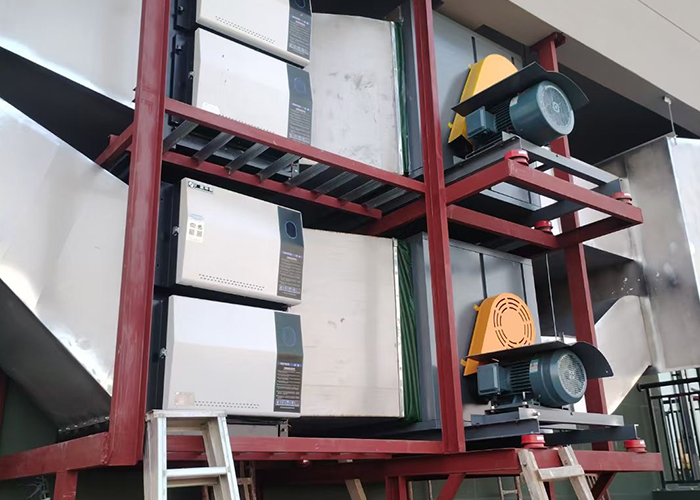
Commercial kitchens generate high volumes of grease, smoke, and particulate matter, which pose health risks and fire hazards if not properly filtered. A highperformance air cleaner ensures compliance with local ventilation regulations (e.g., NFPA 96 in the U.S., DW/172 in the UK) while maintaining indoor air quality. Key factors to consider include airflow capacity (CFM), filtration efficiency, and ease of maintenance. For example, a restaurant with 10+ burners requires a system rated for at least 3,000 CFM to handle peak cooking loads.
Unlike residential models, commercial units must withstand 12–18 hours of daily operation. Electrostatic precipitators and HEPA filters are common in European markets for their ability to capture 95%+ of particles ≥0.3 microns. Guanglan Environmental Protection’s systems integrate these technologies with selfcleaning mechanisms, reducing downtime and longterm costs.
Top 5 Features to Prioritize
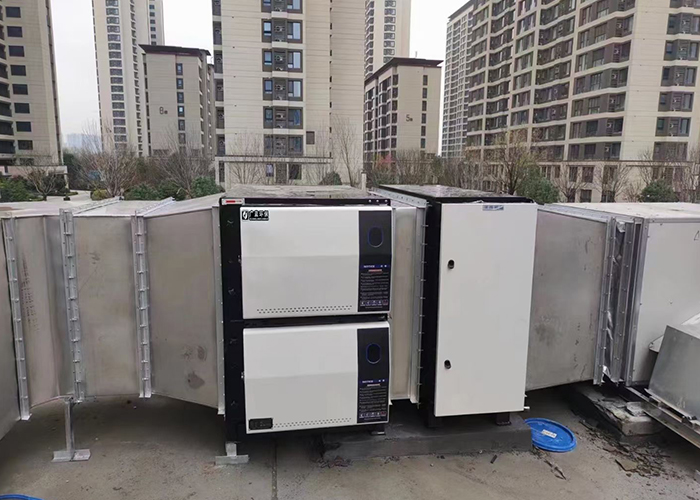
When comparing options, focus on these critical specifications:
- Variable speed control: Allows adjusting airflow based on cooking volume, cutting energy costs by up to 30% during lowdemand periods.
- Noise reduction: Look for models with sounddampening enclosures (≤65 dB at full load) to comply with workplace safety standards in the EU and North America.
- Fire suppression integration: Some systems include automatic shutoff valves that activate if temperatures exceed safe limits, a requirement for insurance approval in many regions.
- Certifications: Verify compliance with CE (EU), UL (U.S.), or CSA (Canada) standards to avoid legal penalties during inspections.
- Undersizing the unit: A system rated for 2,000 CFM cannot handle a kitchen with 6+ fryers, causing frequent clogs and reduced filtration efficiency.
- Ignoring local codes : For example, California’s CARB regulations require ultralow emissions, while German kitchens must meet VDI 2052 standards for air exchange rates.
- Skipping professional installation: Improper ductwork alignment can reduce airflow by 40%, forcing the system to overwork and fail prematurely.
Guanglan Environmental Protection’s products meet all major certifications and offer modular designs for easy retrofitting into existing hoods.
Cost Breakdown: Initial Investment vs. LongTerm Savings
Prices for commercial air cleaners range from $1,200 to $8,500+, depending on capacity and features. Here’s a typical cost structure for a midsized restaurant:
| Component | Cost Range | Notes |
|---|---|---|
| Base unit | $1,800–$4,200 | Higherend models include smart sensors and autocleaning. |
| Installation | $500–$1,500 | Varies based on ductwork modifications and electrical upgrades. |
| Annual maintenance | $300–$800 | Includes filter replacements and professional cleaning. |
 Related tags:
Recommend
Oil Fume Purifier Brands: Verifying Product Identity
Factory Oil Fume Purifier Prices: Process and Capacity
Oil Fume Decomposition Systems: Technologies and Limits
Workshop Oil Fume Purifier Manufacturers
How to Use an Oil Fume Purifier: Operator Checklist
Oil Fume Purifiers: Types, Applications and Selection
Canteen Kitchen Electrostatic Air Cleaner Prices
Operating an Oil Fume Filtration Unit: Controls and Care
Choosing Oil Fume Purifiers for High-Level Discharge
Oil Fume Purifier Cleaning Prices and Service Scope
Contact Us
National hotline
139-2378-3494
Company:Shenzhen Guanglan Environmental Protection Technology Co., Ltd
Address:101, Zone B, Houting Third Industrial Zone, Shajing Street, Bao'an District, Shenzhen City, Guangdong Province
Hot News
- Canteen Kitchen Emissions Air Cleaners for Sale
- A street vendor uses a tricycle equipped with a fume purifier for barbecuing
- Should an Oil Fume Purifier Make Noise?
- Electrostatic Oil Fume Purifiers for Restaurants
- Why Is an Oil Fume Purifier Not Working Effectively?
- Small Oil Fume Purifier Price Ranges
- Factory Oil Fume Purifier Companies and Services
- Kitchen Without an Oil Fume Purifier: Assessment Guide
- How Often Should Kitchen ESPs Be Cleaned?
- Outdoor Oil Fume Purifiers: Placement and Protection

 HOME
 Product
 Case
 Contact