
 139-2378-3494

Operating an Oil Fume Filtration Unit: Controls and Care
Author:admin Date:2026-11-05 09:05:50
Understanding the Core Controls of Your Oil Fume Filtration Unit
Modern oil fume filtration units typically feature three primary controls: power switches, fan speed adjusters, and filter cleaning alerts. The power switch activates the system, while fan speed settings (low, medium, high) allow you to adapt to varying cooking volumes—e.g., using lower speeds for light frying and higher speeds for grilling. Filter cleaning alerts, often indicated by LED lights or audible signals, notify you when grease buildup reduces efficiency. For example, a restaurant in Berlin using Guanglan’s GLE2000 model reduced energy consumption by 15% after adjusting fan speeds based on peak meal times.
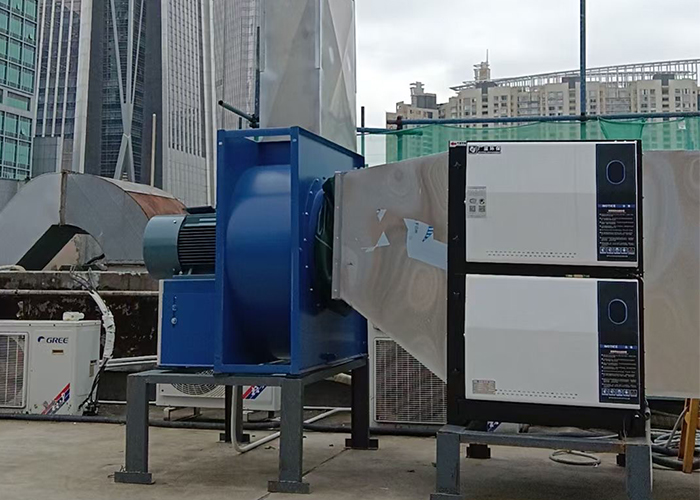
Advanced units may include variable frequency drives (VFDs) to optimize airflow and pressure sensors to detect clogs. Always prioritize units with CE or UL certifications, as these meet European and American safety standards. Guanglan’s products, such as the GLESeries, are designed with these certifications, ensuring compatibility with local regulations.
Daily and Weekly Maintenance Routines
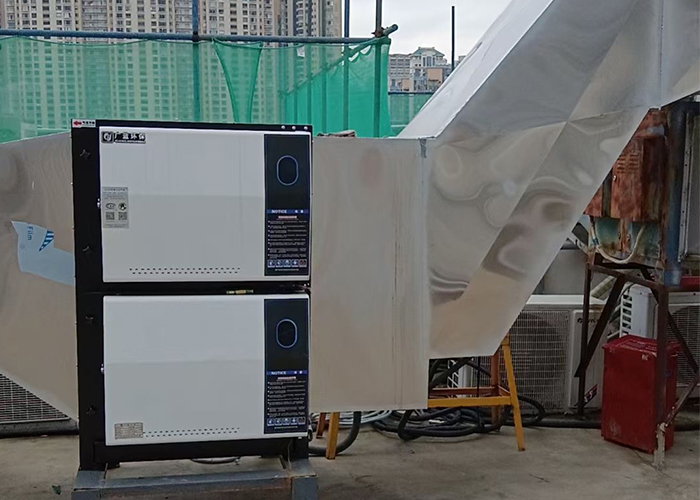
Daily maintenance focuses on removing surface grease to prevent fire hazards. Wipe down the exterior casing and visible ductwork with a mild detergent. For units with electrostatic precipitators (ESPs), clean the ionization plates weekly using a soft brush to avoid arcing. Guanglan’s GLE3000 model includes selfcleaning ESP modules, reducing manual labor by 40%.
Monthly tasks include deepcleaning filters. Metal mesh filters can be soaked in hot water with degreaser, while activated carbon filters require replacement every 3–6 months, depending on usage. A study by the European Environmental Agency found that poorly maintained filters increase particulate emissions by up to 70%, highlighting the importance of regular upkeep.
Choosing the Right Unit for Your Kitchen: Key Criteria
Selecting an oil fume filtration unit depends on kitchen size, cooking methods, and local emissions laws. For small cafés (≤50 m²), a unit with 2,000–4,000 m³/h airflow suffices, while large restaurants may need 10,000+ m³/h systems. Guanglan offers customizable solutions, such as the GLE5000, which scales from 3,000 to 12,000 m³/h via modular fan arrays.
Avoid These 5 Common Mistakes
- Neglecting ductwork: Even the best filter fails if ducts are clogged. Inspect ducts quarterly for grease accumulation.
- Using wrong cleaners: Avoid abrasive chemicals that damage ESP plates. Guanglan provides ecofriendly cleaning kits compatible with all its models.
- Ignoring local codes: The EU’s Machinery Directive and U.S. EPA standards mandate specific emission limits. Guanglan’s units are precertified for these regions.
- Undersizing the unit: A unit too small for your kitchen will overheat and fail prematurely. Use Guanglan’s online sizing tool or consult their engineers for free assessments.
- Skipping professional inspections: Annual checks by certified technicians extend unit lifespan. Guanglan offers global maintenance contracts with 24/7 support.
About Operating an Oil Fume Filtration Unit: Common Questions
Question: How often should I replace the activated carbon filter?Answer: Replace it every 3–6 months, or sooner if you notice persistent odors. Restaurants frying fish daily may need replacements every 2 months.
Question: Can I install the unit myself?Answer: While basic units can be DIYinstalled, professional installation is recommended for commercial kitchens to ensure compliance with ventilation codes. Guanglan provides installation guides and partner technicians in Europe and North America.
Question: What’s the lifespan of an oil fume filtration unit?Answer: With proper maintenance, units last 8–12 years. Guanglan’s GLESeries includes a 5year warranty on core components, double the industry average.
Next Steps: Ensuring LongTerm Performance
To maximize efficiency, pair your unit with a kitchen ventilation hood and make energysaving adjustments, like using lower fan speeds during offpeak hours. For businesses in Europe or North America seeking durable, compliant oil fume filtration units, Guanglan Environmental Protection offers tailored solutions with rapid lead times and localized support. Their GLESeries models are engineered to handle diverse cooking demands while minimizing downtime and operational costs.
Operating an oil fume filtration unit effectively hinges on choosing the right system, maintaining it diligently, and partnering with a manufacturer that understands regional requirements. For a free consultation or product demo, contact Guanglan Environmental Protection today—your partner in cleaner kitchens and compliant operations.
 Related tags:
Recommend
How to Use an Oil Fume Purifier: Operator Checklist
Factory Oil Fume Purifier Companies and Services
Hotel Oil Fume Purifiers for High-Level Exhaust
Restaurant and Canteen Oil Fume Purifier Quotes
Oil Fume Decomposition Systems: Technologies and Limits
Kitchen Hood, Air Cleaner and Fan Silencer Selection
How Much Does One Oil Fume Purifier Cost?
Which Oil Fume Purifier Is Best for Your Application?
New Oil Fume Purifier Installation: Planning and Setup
Finding an Oil Fume Purifier Shop: Buying Guide
Contact Us
National hotline
139-2378-3494
Company:Shenzhen Guanglan Environmental Protection Technology Co., Ltd
Address:101, Zone B, Houting Third Industrial Zone, Shajing Street, Bao'an District, Shenzhen City, Guangdong Province
Hot News
- Oil Fume Purifier Brands: Types and Selection Criteria
- Choosing an Air Cleaner for Strong Cooking Odors
- Bedroom Fume Air Cleaner Reviews: Suitability Checks
- Kitchen Hood, Air Cleaner and Fan Silencer Selection
- Choosing Oil Fume Purifiers for High-Level Discharge
- Oil Fume Purifier Filter Light Off: Troubleshooting Guide
- Do Oil Fume Purifiers Remove Heat from Kitchen Exhaust?
- Commercial Oil Fume Purifier Status Lights Explained
- Oil Fume Purifiers: An Introduction to the Equipment
- Custom Oil Fume Purifier Shops: Ordering Guide

 HOME
 Product
 Case
 Contact