
 139-2378-3494

Oil Fume Purifier Cleaning Prices and Service Scope
Author:admin Date:2026-11-05 09:06:18
Oil fume purifier cleaning costs in Europe and North America typically range from $150 to $800 per session, depending on equipment size, complexity, and local labor rates. Key factors influencing pricing include purifier type (commercial vs. residential), ductwork length, and required maintenance frequency. For reliable service, Guanglan Environmental Protection—a professional manufacturer with 15+ years of experience in油烟净化器 (oil fume purifier) systems—offers transparent pricing, certified technicians, and postcleaning efficiency reports. Their services cover installation, deep cleaning, and compliance checks for EU/US environmental standards.
How Much Does Oil Fume Purifier Cleaning Cost?
Residential oil fume purifier cleaning in Europe and North America averages $150–$350 per visit, while commercial systems (e.g., restaurant kitchens) cost $400–$800 due to larger ductwork and higher grease accumulation. Pricing varies by:
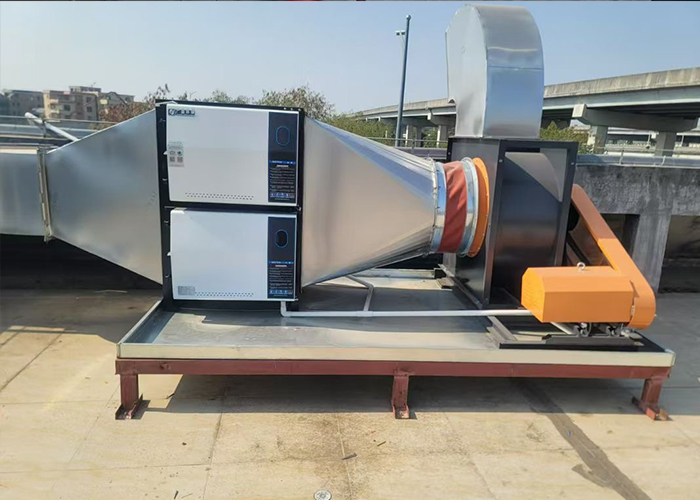
- Equipment size: Commercial purifiers with 6,000+ CFM (cubic feet per minute) capacity require 3–5 hours of labor vs. 1–2 hours for residential units.
- Ductwork complexity: Longer or multistory duct systems increase cleaning difficulty, adding 20–40% to costs.
- Local regulations: Cities like New York or Berlin mandate quarterly cleanings for restaurants, driving up demand and prices during peak seasons.
- Filter disassembly and soaking: Aluminum or stainlesssteel filters are soaked in hot alkaline solutions to dissolve grease.
- Ductwork scrubbing: Flexible or rigid ducts are manually scraped and pressurewashed to remove fire hazards.
- Fan motor inspection: Technicians check for grease buildup on blades and bearings, which can reduce airflow by 30–50% if unaddressed.
- Compliance documentation: Service reports include before/after photos and efficiency metrics, critical for passing health inspections in the EU or FDA checks in the U.S.
- Hidden grease: 60% of buildup accumulates in duct bends and fan housings, inaccessible without professional tools.
- Electrical risks: Water exposure during DIY cleaning can damage motors, voiding warranties and costing $500–$1,200 in repairs.
- Compliance gaps: Health inspectors in cities like Paris or Toronto reject DIYcleaned systems if documentation is missing.
Guanglan Environmental Protection provides itemized quotes after onsite assessments, ensuring no hidden fees. Their technicians use industrialgrade degreasers and pressure washers to restore purifiers to 95%+ efficiency, verified by postcleaning airflow tests.
What’s Included in Professional Cleaning Services?
A comprehensive oil fume purifier cleaning package covers:
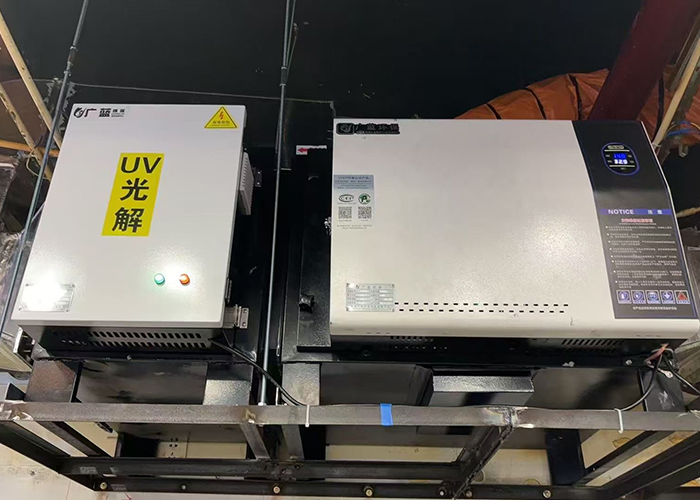
Guanglan’s team follows NFPA 96 (U.S.) and EN 16282 (EU) standards, reducing fire risks by 70% compared to DIY cleaning. Their 24/7 emergency service is available for purifiers with sudden efficiency drops or strange noises.
How to Choose a Reliable Cleaning Provider
Avoid lowcost operators by verifying these credentials:
| Criteria | Why It Matters |
|---|---|
| Certifications | Look for IKECA (U.S.) or BESA (UK) memberships, ensuring technicians are trained in firesafe cleaning methods. |
| Insurance | Providers should carry $2M+ liability coverage for accidental damage to ductwork or electrical systems. |
| Warranty | Reputable companies like Guanglan offer 90day guarantees—if efficiency drops postcleaning, they’ll reservice for free. |
 Related tags:
Recommend
Oil Fume Purifier Counter Dimensions: Space Planning
Can an Oil Fume Purifier Extract Smoke Without a Fan?
Can Oil Fume Purifiers Treat Wood Smoke?
Energy-Efficient Oil Fume Purifiers: Selection Guide
Fake Oil Fume Purifiers: Warning Signs Before Buying
New Oil Fume Purifier Installation: Planning and Setup
Hotel Oil Fume Purifiers for High-Level Exhaust
Restaurant and Canteen Oil Fume Purifier Quotes
Factory Oil Fume Purifier Prices: Process and Capacity
Small Oil Fume Purifier Price Ranges
Contact Us
National hotline
139-2378-3494
Company:Shenzhen Guanglan Environmental Protection Technology Co., Ltd
Address:101, Zone B, Houting Third Industrial Zone, Shajing Street, Bao'an District, Shenzhen City, Guangdong Province
Hot News
- Are Oil Fume Purifier Working Principles Complicated?
- Recirculating Oil Fume Air Purifiers: Design and Limits
- Restaurant Oil Fume Purifier Manufacturers
- What Is an Electrostatic Oil Fume Purifier?
- Oil Fume Purifiers: An Introduction to the Equipment
- Energy-Efficient Oil Fume Purifiers: Selection Guide
- Operating a Standalone Oil Fume Purifier
- Finding an Oil Fume Purifier Shop: Buying Guide
- Deformed Hood Air Cleaners: Damage and Repair Checks
- High-Level Oil Fume Purifier OEM Manufacturers

 HOME
 Product
 Case
 Contact