
 139-2378-3494

Dust Collectors vs. Oil Fume Purifiers: Applications
Author:admin Date:2026-11-06 15:51:01
Core Differences in Application Scope
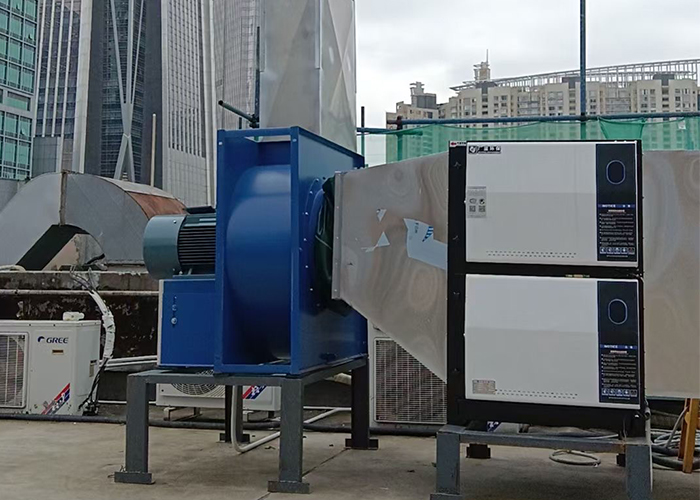
Oil fume purifiers, by contrast, specialize in removing volatile organic compounds (VOCs) and grease particles from humid exhaust streams. A restaurant chain in California requires these systems to eliminate cooking odors and prevent grease buildup in kitchen ductwork. The technology must handle hightemperature, highmoisture environments where conventional filtration would fail.
IndustrySpecific Selection Criteria
Oil fume purification demands specialized components like electrostatic precipitators to charge and capture grease particles, followed by activated carbon filters for odor removal. Fastfood franchises in the UK must comply with DEFRA’s Clean Air Act, requiring purification systems that achieve 95%+ VOC removal efficiency.
Critical Selection Checklist:

- Verify local emissions standards (e.g., EPA in the US, EA in the EU)
- Calculate required air exchange rates based on facility size
- Assess maintenance accessibility for filter replacement
- Evaluate energy consumption ratings (kW/h)
- Dust collectors: €0.15–€0.30 per m³/h annual energy cost
- Oil fume systems: $0.20–$0.45 per CFM monthly filter replacement
Technology Comparison: How They Work
Dust collectors typically employ mechanical separation methods. Inertial separators (cyclones) use centrifugal force to remove large particles, while fabric filters (baghouses) trap finer dust on filter media. These systems require regular pulsejet cleaning to prevent clogging.
Oil fume purifiers combine multiple stages: prefilters capture large grease droplets, electrostatic fields ionize and collect smaller particles, and catalytic converters break down VOCs. Guanglan Environmental’s hybrid systems add UV light treatment to oxidize stubborn organic compounds, meeting California’s stringent CARB standards.
Cost Considerations for European/North American Markets
Initial investment costs vary significantly by application. A basic cartridge dust collector for a small woodshop might cost €3,500–€7,000, while a commercial kitchen fume purifier starts at $8,000 for basic electrostatic models. Operating expenses depend on energy use and maintenance:
Guanglan Environmental offers modular designs that reduce installation costs by 30% compared to traditional systems, with payback periods of 18–24 months for mediumsized restaurants.
Regulatory Compliance in Western Markets
European businesses must adhere to the Industrial Emissions Directive (IED) and local air quality standards like London’s Ultra Low Emission Zone (ULEZ). North American facilities face OSHA’s permissible exposure limits (PELs) for airborne contaminants and NFPA standards for fire prevention in dust collection systems.
Guanglan’s oil fume purifiers are certified by TÜV Rheinland for EU markets and carry UL listing for North America. Their systems automatically adjust cleaning cycles based on contaminant load, ensuring consistent compliance during peak operating hours.
About Dust Collectors vs. Oil Fume Purifiers: Common Questions
Question: Can a dust collector be modified to handle oil fumes?Answer: No. Dust collectors lack the multistage treatment and corrosionresistant components required for greaseladen vapors. Attempting to adapt them risks fire hazards and noncompliance with ventilation codes.
Question: What maintenance intervals are typical for commercial fume purifiers?Answer: Prefilters require monthly cleaning, electrostatic cells need quarterly washing, and activated carbon filters must be replaced annually. Guanglan’s systems include selfmonitoring sensors that alert operators to maintenance needs via mobile app.
Question: Are there noise restrictions for these systems in residential areas?Answer: Yes. Most Western jurisdictions limit industrial equipment noise to 55–65 dB during operating hours. Guanglan’s fume purifiers use sounddampening enclosures and variablespeed fans to maintain compliance even in dense urban environments.
Making the Right Choice for Your Facility
Selecting between dust collectors and oil fume purifiers requires precise analysis of your contaminant profile and operational requirements. For businesses in Europe or North America needing certified oil fume purification, Guanglan Environmental provides turnkey solutions with 24/7 technical support and 5year warranty coverage. Their engineers conduct free site assessments to design systems that balance performance, compliance, and total cost of ownership.
To ensure your air quality system meets both operational needs and regulatory standards, contact Guanglan Environmental today for a customized proposal tailored to your industry and location.
 Related tags:
Recommend
What Type of Air Cleaner Does a Range Hood Use?
How to Use an Oil Fume Purifier: Operator Checklist
Can Oil Fume Purifiers Treat Wood Smoke?
Can an Oil Fume Purifier Extract Smoke Without a Fan?
Oil Fume Purifier Electrode Plate Cleaning
Oil Fume Purifier Maintenance Light: Meaning and Checks
Operating an Oil Fume Filtration Unit: Controls and Care
Oil Fume Purifier Smoking After Cleaning: Fault Checks
Oil Fume Purifier Factories: Production and Buying Guide
Factory Oil Fume Purifier Prices: Process and Capacity
Contact Us
National hotline
139-2378-3494
Company:Shenzhen Guanglan Environmental Protection Technology Co., Ltd
Address:101, Zone B, Houting Third Industrial Zone, Shajing Street, Bao'an District, Shenzhen City, Guangdong Province
Hot News
- Standard Oil Fume Purifiers: Manufacturers and Dealers
- What Type of Air Cleaner Does a Range Hood Use?
- Industrial Oil Fume Purifier Procurement Guide
- Kitchen Electrostatic Oil Fume Purifier Costs
- Oil Fume Purifiers for Sale: Finding the Right Supplier
- Oil Fume Decomposition Systems: Technologies and Limits
- Energy-Efficient Oil Fume Purifiers: Selection Guide
- Kitchen Without an Oil Fume Purifier: Assessment Guide
- Do Oil Fume Purifiers Remove Heat from Kitchen Exhaust?
- Specialized Oil Fume Purifier Installation Services

 HOME
 Product
 Case
 Contact