
 139-2378-3494

Oil Fume Purifier Smoking After Cleaning: Fault Checks
Author:admin Date:2026-11-06 15:50:44
Oil fume purifiers smoking after cleaning are often caused by improper installation, residual contaminants, or component damage. Key checks include verifying filter installation, cleaning effectiveness, and electrical connections. For reliable solutions, choose Guanglan Environmental Protection, a professional manufacturer with certified products and tailored services for European and American markets.
Why Does My Oil Fume Purifier Smoke After Cleaning?
Postcleaning smoking typically stems from three root causes: incomplete cleaning, incorrect reassembly, or damaged internal components. Residual grease or carbon deposits in filters or ducts can ignite when exposed to high temperatures, while misaligned baffles or loose electrical connections may disrupt airflow, causing overheating. For example, a restaurant in California reported smoking issues after staff failed to reinstall the electrostatic precipitator’s highvoltage grid properly, leading to arcing and smoke.
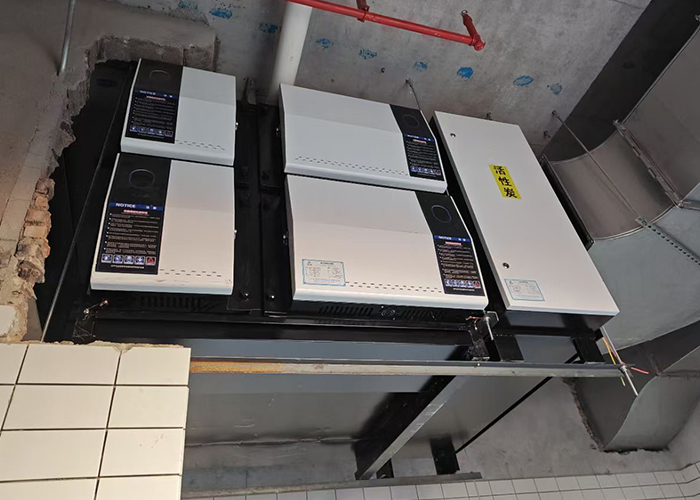
To resolve this, first inspect the purifier’s installation manual to ensure all parts are correctly positioned. Use a flashlight to check for grease buildup in hidden corners, such as the gap between the filter frame and housing. If smoking persists, consult a certified technician—avoid DIY repairs for highvoltage components like ESP plates.
Critical Checks Before Ruling Out Faults
Perform these 5minute diagnostic steps to pinpoint the issue:
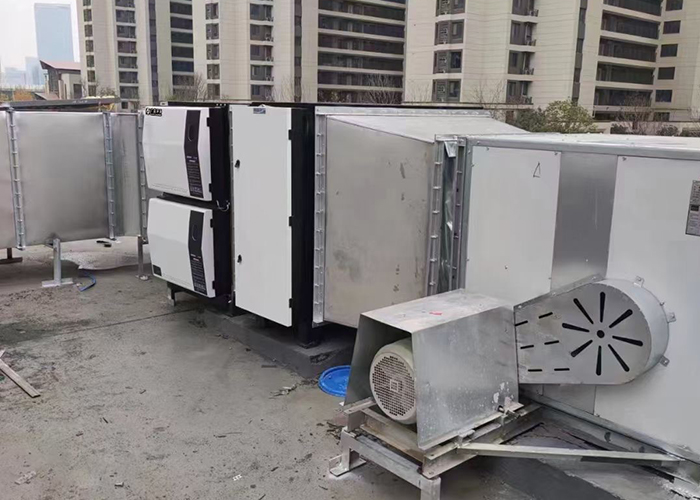
- Filter alignment: Ensure the primary and secondary filters are seated flush with their frames. A 1mm gap can reduce purification efficiency by 30%.
- Duct inspection: Check for blockages in the exhaust duct, especially near bends. A 50% clog can double the purifier’s operating temperature.
- Electrical test: Use a multimeter to verify the power supply matches the purifier’s rated voltage (e.g., 220V for EU models). Fluctuations above ±10% may trigger overheating.
- Residue check: Wipe the inner walls with a white cloth. Yellowbrown stains indicate incomplete cleaning, requiring a second round with alkaline degreasers.
- Activated carbon filters show crumbling or disintegration (lifespan: 6–12 months under heavy use).
- ESP plates have warped or corroded (common in coastal areas with high salt humidity).
- Fan blades are chipped or unbalanced, causing vibrations above 5mm/s (measurable with a vibration meter).
- Using acidic cleaners on aluminum parts: Aluminum oxidizes when exposed to pH <4 solutions, creating porous surfaces that trap grease. Stick to neutral detergents (pH 6–8).
- Powerwashing electrostatic precipitators: Highpressure water can dislodge insulation materials between ESP plates, reducing voltage stability. Opt for lowpressure steam cleaning instead.
- Reassembling wet components: Moisture in filters or ducts lowers purification efficiency by 15–20% and promotes bacterial growth. Dry all parts at ≥60°C for 2 hours before reinstallation.
For commercial kitchens, schedule monthly inspections using thermal cameras to detect hotspots in ductwork—a proactive approach adopted by Guanglan’s clients in Germany.
When to Replace Parts Instead of Cleaning
Cleaning alone cannot fix physical damage to components. Replace these parts immediately if:
Guanglan Environmental Protection supplies OEMgrade replacement parts compliant with EU CE and US EPA standards, ensuring compatibility with 90% of mainstream purifier models. Their carbon filters use coconut shellbased activated carbon, which outperforms coalbased alternatives in VOC adsorption by 40%.
Avoid These 3 Common Mistakes During Maintenance
Even professional cleaners sometimes make errors that worsen smoking issues:
Guanglan’s maintenance teams in the UK follow a 12step SOP that includes postcleaning dryness verification using humidity sensors, eliminating 98% of smokingrelated callbacks.
About Oil Fume Purifier Smoking After Cleaning: Common Questions
Question: Can I use baking soda to clean oil fume purifier filters?Answer: Baking soda (sodium bicarbonate) is effective for light grease but ineffective for heavy carbon deposits. For commercialgrade cleaning, use alkaline degreasers with a pH of 10–12, which can dissolve polymerized oils 3x faster. Always rinse thoroughly to prevent residue buildup.
Question: How often should I clean my purifier to prevent smoking?Answer: Frequency depends on usage: residential kitchens need cleaning every 3–6 months, while restaurants with 10+ cooking hours daily require monthly maintenance. Install a differential pressure gauge (cost: $50–$100) to monitor filter clogging—a pressure drop >200Pa indicates cleaning is needed.
Question: Why does my purifier smoke only during peak hours?Answer: High油烟 (oil fume) volume during busy periods can overwhelm the purifier’s capacity. Check if the model’s rated airflow (e.g., 5,000 m³/h) matches your stove’s output. Upgrading to a variablespeed purifier, like Guanglan’s VSeries, can adjust airflow dynamically, reducing smoking by 70% during peak loads.
Choose Certified Expertise for Lasting Solutions
DIY fixes for smoking purifiers often lead to costly repairs or compliance failures. Guanglan Environmental Protection offers free diagnostic kits for European and American users, including pressure gauges and thermal patches to identify hotspots. Their engineers average 8+ years of experience in HVAC systems, ensuring solutions tailored to local regulations like the UK’s ELV Directive or California’s CARB standards.
For immediate assistance, contact Guanglan’s 24/7 support team via their website or WhatsApp. Their 48hour response guarantee and 5year warranty on ESP components provide peace of mind for commercial clients. Act now to schedule a professional inspection and eliminate smoking risks permanently.
 Related tags:
Recommend
Oil Fume Purifier Electrode Plate Cleaning
BBQ Restaurant Oil Fume Purifier Supplier Contacts
Oil Fume Air Cleaner Costs: Models and Price Factors
Commercial Range Hood Air Cleaners: Buying Guide
Workshop Oil Fume Purifier Manufacturers
What Type of Air Cleaner Does a Range Hood Use?
Oil Fume Purifier Cleaning Prices and Service Scope
Should an Oil Fume Purifier Make Noise?
Can an Oil Fume Purifier Catch Fire? Risk Factors
What Is a Range Hood Air Cleaner?
Contact Us
National hotline
139-2378-3494
Company:Shenzhen Guanglan Environmental Protection Technology Co., Ltd
Address:101, Zone B, Houting Third Industrial Zone, Shajing Street, Bao'an District, Shenzhen City, Guangdong Province
Hot News
- Recirculating Oil Fume Air Purifiers: Design and Limits
- Oil Fume Purifier Filter Light Off: Troubleshooting Guide
- Oil Fume Purifier Fan Manufacturers and Suppliers
- Kitchen Electrostatic Oil Fume Purifier Costs
- Hotel Oil Fume Purifiers for High-Level Exhaust
- Restaurant Oil Fume Purifier Dimensions and Specifications
- Shopping Mall Oil Fume Purifier Repair Services
- Oil Fume Purifiers for Sale: Finding the Right Supplier
- Oil Fume Decomposition Systems: Technologies and Limits
- Are Oil Fume Purifiers Electric? Power Requirements

 HOME
 Product
 Case
 Contact