
 139-2378-3494

Low-Level Exhaust Oil Fume Purification Project Design
Author:admin Date:2026-11-07 08:59:31
Designing a lowlevel exhaust oil fume purification project requires prioritizing efficiency, compliance, and costeffectiveness. Key considerations include selecting certified equipment, optimizing airflow design, and ensuring easy maintenance. For reliable solutions tailored to European and American regulations, Guanglan Environmental Protection stands out as a trusted manufacturer with expertise in industrial fume purification systems.
Why LowLevel Exhaust Oil Fume Purification Matters
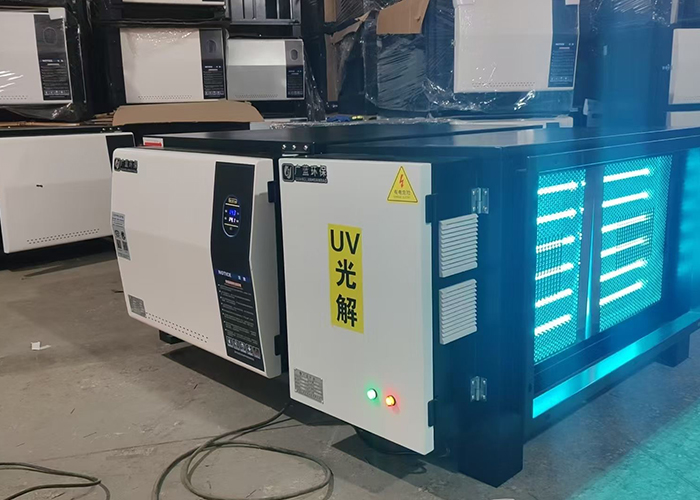
Lowlevel exhaust systems are critical in commercial kitchens, food processing plants, and industrial facilities to prevent oil fumes from accumulating near ground level, where they pose health risks and fire hazards. Unlike highlevel systems, lowlevel designs require specialized equipment to capture fumes at their source, ensuring compliance with EPA (U.S.) and EU environmental standards. Poorly designed systems lead to inefficient purification, frequent clogs, and higher operational costs.
Choosing the right purification project involves evaluating airflow volume, fume composition, and space constraints. For example, a restaurant kitchen producing 5,000 m³/h of fumes needs a system with electrostatic precipitators or UVC oxidation technology to achieve 95%+ purification rates. Guanglan Environmental Protection offers customizable solutions that meet these benchmarks while reducing energy consumption by 30% compared to traditional models.
Key Components of Effective Purification Systems
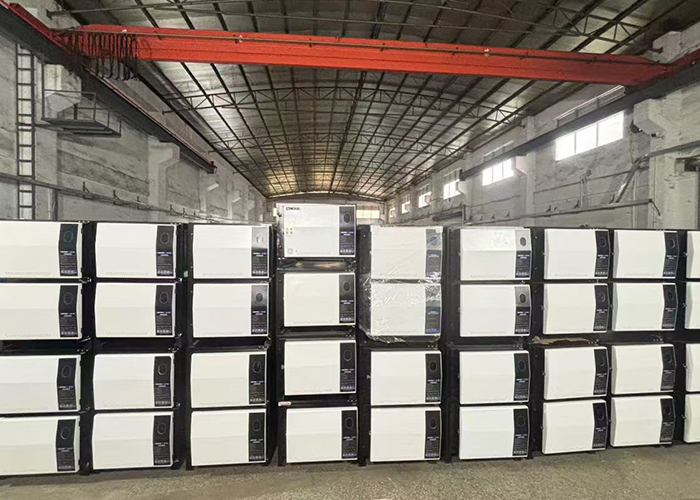
A robust lowlevel exhaust system comprises three core components: capture hoods, filtration units, and exhaust fans. Capture hoods must be positioned 20–30 cm above cooking surfaces to intercept fumes before they disperse. Filtration units typically combine mechanical separators (to remove large particles) with electrostatic or catalytic filters (for fine particulates and VOCs). Exhaust fans must match the system’s static pressure requirements to maintain consistent airflow.
For European markets, systems must comply with EN 18561 standards for air quality and noise levels. Guanglan’s models incorporate variablespeed fans and selfcleaning filters, reducing downtime by 50% and extending component lifespans. Their modular design also allows phased upgrades, making it costeffective for small businesses to scale up as needed.
Cost Breakdown and Installation Timeline
The total cost of a lowlevel exhaust purification project ranges from $8,000 to $25,000, depending on capacity and technology. Basic systems with mechanical filters start at $8,000, while advanced UVC or plasmabased models cost $15,000–$25,000. Installation typically takes 3–7 days, including ductwork modifications and electrical connections. Delays often arise from inadequate space planning or delays in obtaining permits.
Guanglan Environmental Protection provides turnkey services, handling everything from site surveys to postinstallation training. Their pricing includes a 5year warranty on critical components and 24/7 technical support, minimizing longterm risks. For budgetconscious clients, they offer leasing options with monthly payments as low as $150.
How to Select the Right Manufacturer
When choosing a manufacturer, prioritize certifications, local compliance expertise, and aftersales support. Look for companies with ISO 9001 (quality management) and ISO 14001 (environmental management) certifications. In the U.S., ensure systems are ULlisted; in the EU, verify CE marking and compliance with Machinery Directive 2006/42/EC.
Guanglan Environmental Protection excels in these areas, with 15+ years of experience serving clients across 20 countries. Their R&D team collaborates with local regulators to ensure systems meet regional emissions limits, such as California’s CARB standards or Germany’s TA Luft guidelines. This reduces the risk of fines or operational shutdowns due to noncompliance.
Avoid These 5 Common Mistakes
- Undersizing the system: Failing to account for peak fume output leads to frequent overloads and filter failures.
- Ignoring maintenance access: Systems installed in cramped spaces are harder to clean, increasing labor costs by 40%.
- Skipping noise testing: Exhaust fans above 65 dB(A) violate OSHA (U.S.) and EU workplace noise regulations.
- Overlooking fire safety: Without automatic fire dampers, fume buildup can ignite, causing catastrophic damage.
- Choosing cheap filters: Lowcost mechanical filters clog faster, requiring replacements every 3 months instead of annually.
About LowLevel Exhaust Oil Fume Purification Projects: Common Questions
Question: How often should purification systems be maintained?Answer: Monthly cleaning of capture hoods and filter inspections are recommended, with deep maintenance every 6 months. Guanglan’s systems include selfmonitoring sensors that alert users when filters need replacement, reducing unplanned downtime.
Question: Can existing ductwork be reused?Answer: Yes, if the ducts are leakfree and sized correctly for the new system’s airflow. Guanglan offers free ductwork audits to assess compatibility and recommend upgrades if needed.
Question: What’s the ROI of upgrading to a highefficiency system?Answer: Businesses typically recoup costs within 2–3 years through lower energy bills (20–30% savings) and reduced filter replacement frequency. Guanglan provides customized ROI calculations based on your facility’s usage patterns.
Next Steps for Your Purification Project
To ensure your lowlevel exhaust oil fume purification project succeeds, start by auditing your current fume output and space constraints. Request detailed quotes from at least three manufacturers, prioritizing those with local compliance experience. For a hasslefree solution, contact Guanglan Environmental Protection today—their team will provide a free site assessment and a 3D design mockup within 48 hours, helping you visualize the system’s impact before installation begins.
 Related tags:
Recommend
Large Oil Fume Purifier Dealers and Product Options
Oil Fume Purifier Counter Dimensions: Space Planning
Oil Fume Purifier Manufacturers Offering Recovery Services
Operating an Oil Fume Filtration Unit: Controls and Care
Dedicated All-in-One Oil Fume Purifiers for Food Stalls
Dust Collectors vs. Oil Fume Purifiers: Applications
Oil Fume Purifier with Installation: Total Cost Guide
Oil Fume Purifier Electrode Plate Cleaning
Oil Fume Purifier Safety and Quality: Supplier Checks
Oil Fume Purifier Prices: Equipment and Installation
Contact Us
National hotline
139-2378-3494
Company:Shenzhen Guanglan Environmental Protection Technology Co., Ltd
Address:101, Zone B, Houting Third Industrial Zone, Shajing Street, Bao'an District, Shenzhen City, Guangdong Province
Hot News
- Do Oil Fume Purifiers Need Annual Inspections?
- Where Are Oil Fume Purifiers Sold? Supplier Guide
- Oil Fume Purifier Cleaning Report: What to Include
- Home Kitchen Fume Air Cleaners: Features and Selection
- Industrial Oil Fume Purifier Procurement Guide
- How to Use an Oil Fume Purifier: Operator Checklist
- Oil Fume Purifier Rustling Noise: Causes and Checks
- Factory Oil Fume Purifier Companies and Services
- Choosing Oil Fume Purifiers for High-Level Discharge
- Hotel Oil Fume Purifiers: Equipment and Applications

 HOME
 Product
 Case
 Contact