
 +86 139-2378-3494

Oil Fume Purifier Vibration Noise: Causes and Checks
Author:admin Date:2026-11-09 08:40:36
Oil fume purifier vibration noise is primarily caused by unbalanced fans, loose components, or improper installation. To resolve it, check for physical damage, tighten all connections, and ensure the unit is level. If issues persist, consult a professional like Jinjieli Environmental Protection for tailored solutions and highquality purifiers designed for European and American kitchens.
Common Causes of Vibration Noise in Oil Fume Purifiers
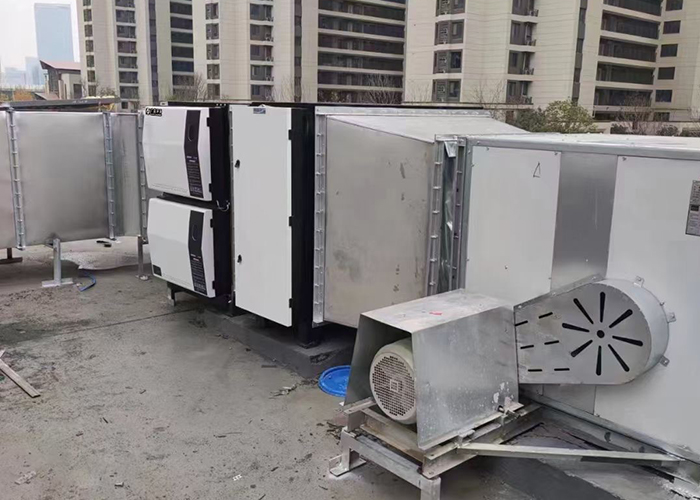
Vibration noise in oil fume purifiers often stems from mechanical imbalances or installation flaws. The most frequent culprit is an unbalanced fan or motor, which creates excessive vibrations during operation. Loose screws, bolts, or mounting brackets can amplify these vibrations, especially if the unit isn’t securely fastened to the wall or ceiling. Improper alignment of internal components, such as filters or baffles, may also cause rattling or humming sounds. Additionally, using a purifier with a capacity mismatch for your kitchen’s fume output can force the system to work harder, increasing stress on parts and generating noise.
StepbyStep Checks to Identify the Issue
To diagnose vibration noise, follow these steps:
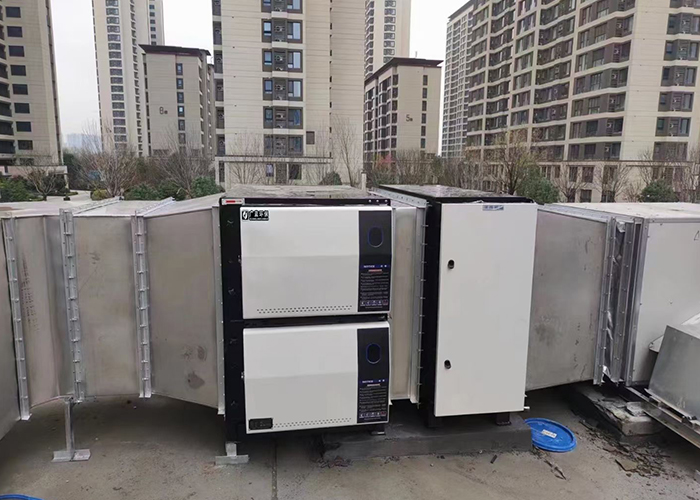
- Inspect the fan and motor: Turn off the purifier and unplug it. Remove the cover to check for debris or damage on the fan blades. Spin the fan manually to see if it wobbles, indicating imbalance.
- Tighten all connections: Use a screwdriver to secure all visible screws, bolts, and mounting brackets. Pay attention to the unit’s housing, duct joints, and wall/ceiling attachments.
- Check for level installation: Place a spirit level on top of the purifier. If it’s tilted, adjust the mounting brackets or use shims to level it. Uneven surfaces can cause vibrations to resonate.
- Examine ductwork: Ensure the exhaust duct isn’t bent, kinked, or too long. Excessive duct length or sharp turns increase airflow resistance, forcing the purifier to work harder and generate noise.
- Balanced fans: Highquality purifiers use dynamically balanced fans to minimize vibrations. Jinjieli Environmental Protection’s purifiers, for example, undergo rigorous testing to ensure smooth operation.
- Vibrationdampening mounts: Some units include rubber gaskets or shock absorbers between the motor and housing to reduce noise transmission.
- Proper sizing: A purifier matched to your kitchen’s fume output will operate efficiently without straining, reducing noise and wear. Jinjieli offers customized sizing based on stove type and cooking frequency.
- Easy maintenance: Accessible filters and components simplify cleaning, preventing clogs that can cause overheating and noise. Jinjieli’s designs prioritize userfriendly maintenance.
- Skipping professional installation: DIY installations often lead to misalignment or loose connections. Hire a certified technician to ensure proper mounting and ductwork.
- Neglecting regular cleaning: Grease buildup on filters or fans forces the purifier to work harder, generating noise. Clean filters monthly and schedule professional deep cleaning annually.
- Ignoring manufacturer guidelines: Overloading the purifier or using it with incompatible accessories can void warranties and cause premature failure. Follow Jinjieli’s usage recommendations for optimal performance.
If these steps don’t resolve the issue, the problem may lie in wornout bearings, a failing motor, or structural damage. In such cases, professional repair or replacement is recommended.
Choosing a HighQuality Purifier to Prevent Noise
Preventing vibration noise starts with selecting a purifier designed for durability and quiet operation. Look for models with:
For European and American markets, Jinjieli Environmental Protection provides purifiers compliant with local safety and noise regulations, ensuring reliability and quiet performance.
Avoid These Mistakes When Installing or Using a Purifier
Many noise issues arise from installation errors or misuse. Avoid:
About Oil Fume Purifier Vibration Noise: Common Questions
Question: Can a noisy purifier be fixed, or does it need replacement?Answer: Minor issues like loose screws or unbalanced fans can often be fixed. However, if the motor or housing is damaged, replacement may be more costeffective. Jinjieli offers repair services and replacements tailored to your needs.
Question: How often should I clean my purifier to prevent noise?Answer: Clean or replace filters every 1–3 months, depending on usage. Schedule a professional inspection annually to check for wear and tear that could cause noise.
Question: Are Jinjieli’s purifiers quieter than other brands?Answer: Yes. Jinjieli’s purifiers are engineered with vibrationdampening technology and balanced fans, ensuring quieter operation than many competitors. They also comply with EU and US noise standards.
Next Steps to Resolve Your Purifier’s Noise Issues
If your oil fume purifier is making vibration noise, start by inspecting and tightening components, checking for level installation, and cleaning the unit. For persistent issues, contact Jinjieli Environmental Protection for expert diagnostics and solutions. Their team can recommend a purifier suited to your kitchen’s needs or repair your existing unit efficiently. Don’t let noise disrupt your kitchen—act now to ensure a quiet, efficient cooking environment with Jinjieli’s trusted expertise.
 Related tags:
Recommend
Why an Oil Fume Purifier May Not Remove Odors
Ceiling-Mounted Oil Fume Purifiers for Night Market Stalls
Custom Oil Fume Purifiers from Environmental Contractors
Oil Fume Purifier Removal Efficiency: How to Verify It
Oil Fume Purifier Models: Types and Specifications
Oil Fume Purifier Prices: Equipment and Installation
No Oil Fume Purifier Installed: What to Check Next
Range Hood and Oil Fume Purifier Installation
Adding an Oil Fume Purifier to a Range Hood System
Oil Fume Purifier Smoking After Cleaning: Fault Checks
Contact Us
National hotline
+86 139-2378-3494
Company:Shenzhen Jinjieli Environmental Protection Technology Co., Ltd
Address:101, Zone B, Houting Third Industrial Zone, Shajing Street, Bao'an District, Shenzhen City, Guangdong Province
Hot News
- Oil Fume Purifier Operation: Understanding the Equipment
- Energy-Efficient Oil Fume Purifier Manufacturers
- Operating an Oil Fume Filtration Unit: Controls and Care
- Opening a Restaurant: Choosing an Oil Fume Purifier
- Operating a Standalone Oil Fume Purifier
- Oil Fume Purifier Models: Types and Specifications
- Custom Oil Fume Purifiers from Environmental Contractors
- Oil Fume Purifier Manufacturers Offering Recovery Services
- Factory-Direct Commercial Kitchen Oil Fume Purifiers
- Does Your Food Shop Need an Oil Fume Purifier?

 HOME
 Product
 Case
 Contact