
 +86 139-2378-3494

Oil Fume Purifier Models: Types and Specifications
Author:admin Date:2026-11-09 08:40:28
Oil fume purifiers are essential for commercial kitchens in Europe and North America to meet air quality regulations and reduce fire risks. Key models include electrostatic precipitators, activated carbon filters, and hybrid systems, each suited to different kitchen sizes and油烟 types. Jinjieli Environmental’s oil fume purifiers stand out for their high efficiency, durability, and compliance with EU/US standards, offering tailored solutions for restaurants, hotels, and food processing facilities.
Why Oil Fume Purifiers Matter in Europe and North America
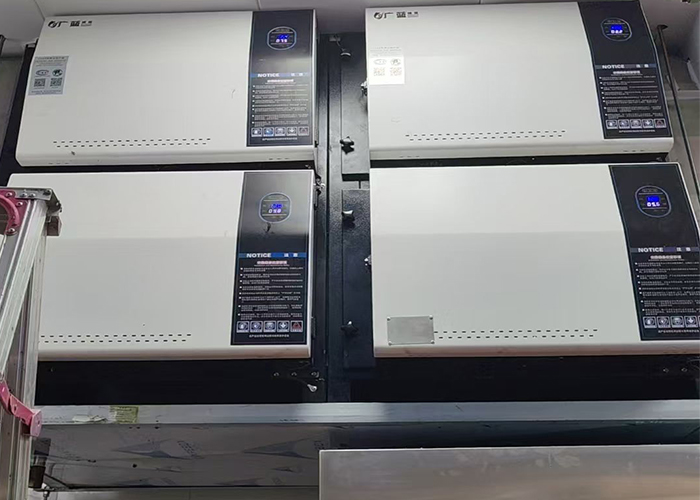
Commercial kitchens in Europe and North America face strict air quality regulations, including the EU’s Industrial Emissions Directive and the U.S. EPA’s National Ambient Air Quality Standards. Unfiltered oil fume emissions can lead to fines, health hazards, and fire risks. A highquality purifier removes 90–95% of particulate matter (PM2.5) and volatile organic compounds (VOCs), ensuring compliance and a safer workspace. Jinjieli Environmental’s models are designed to meet these standards, with certifications like CE (EU) and UL (U.S.) for added credibility.
Types of Oil Fume Purifiers: Which Fits Your Kitchen?
Three primary purifier types dominate the market:
- Electrostatic Precipitators (ESPs): Use electric charges to trap particles. Ideal for mediumtolarge kitchens with heavy frying. Jinjieli’s ESP models feature selfcleaning plates, reducing maintenance by 40%.
- Activated Carbon Filters: Absorb gases and odors. Best for kitchens prioritizing odor control, such as hotels or bakeries. Jinjieli’s carbon filters last 6–12 months before replacement.
- Hybrid Systems: Combine ESP and carbon filters for comprehensive purification. Suitable for highvolume kitchens like food processing plants. Jinjieli’s hybrid models reduce energy use by 25% via smart sensors.
- Airflow Capacity (CFM/m³/h): Match the purifier’s capacity to your kitchen’s size. A 1,000 sq.ft. kitchen needs 3,000–5,000 CFM. Jinjieli offers custom sizing to avoid over or undercapacity issues.
- Filtration Efficiency: Look for ≥90% efficiency for PM2.5 and VOCs. Jinjieli’s models achieve 95% efficiency in thirdparty tests.
- Noise Level (dB): Choose ≤70 dB for staff comfort. Jinjieli’s ESPs operate at 65 dB, quieter than industry averages.
- Maintenance Costs: Selfcleaning models (like Jinjieli’s ESPs) cut labor costs by 30% compared to manualclean units.
- Undersizing the Unit: Leads to poor performance and regulatory noncompliance. Always consult a professional for sizing.
- Ignoring Local Regulations: EU and U.S. standards differ. Jinjieli’s team ensures models meet regional requirements.
- Overlooking Maintenance Needs: Clogged filters reduce efficiency. Jinjieli provides training and spare parts to keep systems running smoothly.
- Modular designs for easy installation in existing kitchens.
- Energyefficient motors with 5year warranties.
- 24/7 technical support via local partners in the EU and U.S.
Key Specifications to Evaluate Before Buying
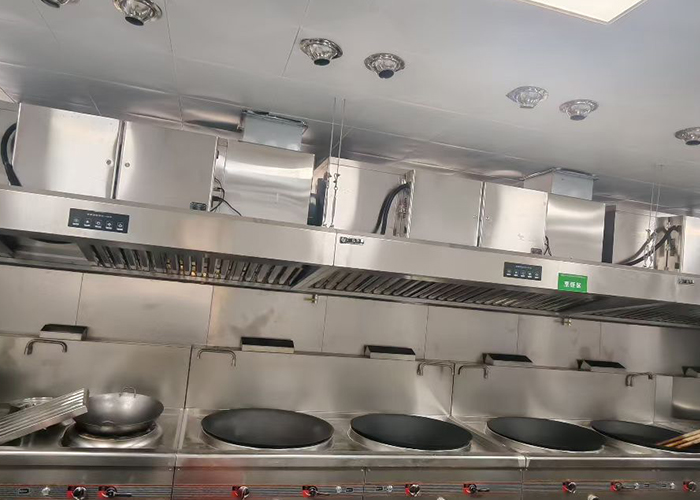
When selecting a purifier, focus on these specs:
How to Avoid Common Pitfalls in Oil Fume Purifier Selection
Many buyers make these mistakes:
About Jinjieli Environmental’s Oil Fume Purifiers
Jinjieli Environmental specializes in commercialgrade purifiers tailored to European and North American markets. Their products feature:
Compared to competitors, Jinjieli’s purifiers offer 20% longer filter lifespans and 15% lower energy consumption, translating to cost savings over time.
About Oil Fume Purifier Models: Common Questions
Question: How often do I need to replace the filters?Answer: ESP plates require cleaning every 3–6 months, while activated carbon filters need replacement every 6–12 months, depending on usage. Jinjieli provides maintenance schedules based on your kitchen’s油烟 volume.
Question: Can I install the purifier myself?Answer: While some small units allow DIY installation, commercialgrade models (like Jinjieli’s) require professional setup to ensure proper ductwork alignment and compliance with safety codes.
Question: What’s the average cost of an oil fume purifier?Answer: Prices range from $1,500 for basic models to $10,000+ for highcapacity hybrid systems. Jinjieli offers free quotes and financing options to fit different budgets.
Next Steps: Choosing the Right Oil Fume Purifier
To select the best purifier, assess your kitchen’s size, cooking methods, and local regulations. For European or North American businesses, prioritize models with CE/UL certifications and energyefficient features. Jinjieli Environmental’s team can provide site audits, custom recommendations, and installation support. Contact them today to ensure your kitchen meets air quality standards while minimizing longterm costs.
 Related tags:
Recommend
Wall-Mounted Commercial Oil Fume Purifiers: Pros and Limits
Why an Oil Fume Purifier May Not Remove Odors
Commercial Range Hood Air Cleaners: Buying Guide
Does an Oil Fume Purifier Release Visible Smoke?
Dust Collectors vs. Oil Fume Purifiers: Applications
Where Should You Buy an Oil Fume Purifier?
Oil Fume Purifier Removal Efficiency: How to Verify It
Industrial Oil Fume Purification Equipment
Low-Level Exhaust Oil Fume Purification Project Design
Where Should an Air Cleaner Go in a Kitchen Hood System?
Contact Us
National hotline
+86 139-2378-3494
Company:Shenzhen Jinjieli Environmental Protection Technology Co., Ltd
Address:101, Zone B, Houting Third Industrial Zone, Shajing Street, Bao'an District, Shenzhen City, Guangdong Province
Hot News
- New Oil Fume Purifier Installation: Planning and Setup
- Oil Fume Purifier Prices: Equipment and Installation
- Hotel Oil Fume Purifier Removal: Process and Costs
- Canteen Kitchen Electrostatic Air Cleaner Prices
- Shopping Mall Oil Fume Purifier Repair Services
- Oil Fume Purifiers for Sale: Finding the Right Supplier
- Oil Fume Purifier Factories: Production and Buying Guide
- How Much Does One Oil Fume Purifier Cost?
- Oil Fume Purifier Cleaning Prices and Service Scope
- BBQ Restaurant Electrostatic Oil Fume Purifier Prices

 HOME
 Product
 Case
 Contact