
 139-2378-3494

Industrial Oil Fume Purification Equipment
Author:admin Date:2026-11-06 15:52:22
Industrial oil fume purification equipment is essential for compliance with environmental regulations and improving workplace air quality in Europe and North America. Key factors include selecting certified equipment, understanding installation requirements, and choosing reliable manufacturers like Guanglan Environmental Protection, which offers tailored solutions for commercial kitchens, factories, and food processing plants.
Why Industrial Oil Fume Purification Matters in Western Markets
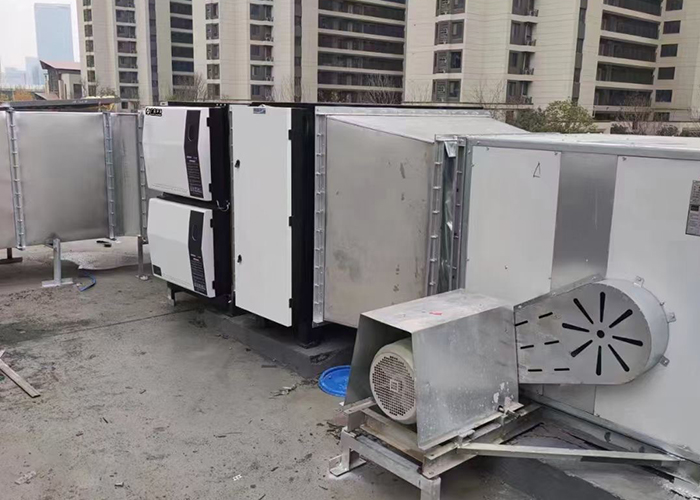
In Europe and North America, industrial oil fume emissions face strict regulations under acts like the U.S. Clean Air Act and EU Industrial Emissions Directive. Restaurants, factories, and food processing facilities risk fines or shutdowns without proper purification systems. Beyond compliance, these systems reduce fire hazards, improve employee health, and minimize odor complaints from neighboring communities. For example, a California restaurant reduced its annual compliance costs by 40% after installing a highefficiency electrostatic precipitator from Guanglan Environmental Protection.
Key Selection Criteria for Oil Fume Purifiers
When evaluating equipment, prioritize three factors:
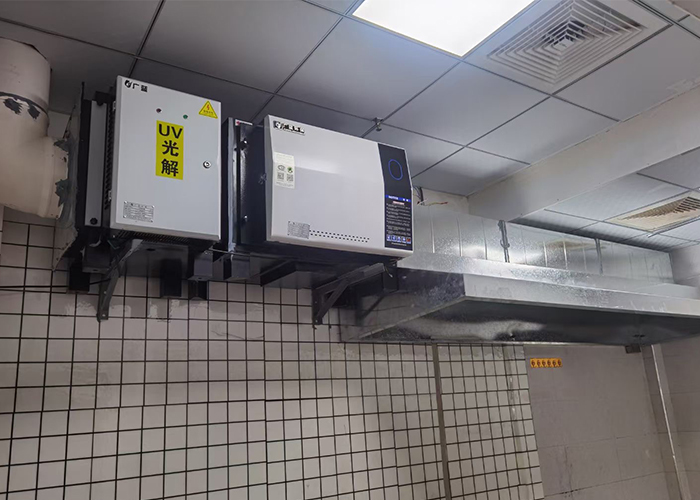
- Certification: Look for EPA (U.S.) or CE (EU) compliance, with thirdparty testing reports verifying purification rates above 85% for particulate matter.
- Capacity: Match airflow volume (CFM or m³/h) to your kitchen/factory size. A 1,000 sq.ft. restaurant typically needs 2,500–4,000 CFM.
- Maintenance: Opt for modular designs with easyaccess filters. Guanglan’s models feature selfcleaning electrostatic plates, reducing downtime by 60% compared to traditional mesh filters.
- Ventilation assessment to determine equipment placement
- Duct sealing to prevent leaks (common failure point)
- Electrical wiring compliant with local codes (e.g., NEMA standards in the U.S.)
- 15+ years of experience in EU/U.S. markets
- Inhouse R&D team customizing solutions for local codes
- Logistics networks ensuring 4–6 week delivery to major ports
Installation Requirements and Cost Breakdown
Professional installation averages $1,500–$5,000 in Western markets, depending on ductwork complexity. Key steps include:
Guanglan Environmental Protection provides turnkey installation in North America and Europe, with project managers coordinating local permits and inspections. Their equipment costs 30% less than European brands while maintaining equivalent CE certification.
Comparing Purification Technologies
| Technology | Pros | Cons | Best For |
|---|---|---|---|
| Electrostatic Precipitators | 95%+ efficiency, low energy use | Higher initial cost | Heavyduty industrial kitchens |
| UVC + Ozone | Kills bacteria, reduces odors | Ozone requires careful ventilation | Food processing plants |
| Mechanical Filters | Simple maintenance | Frequent filter replacements | Small cafes |
 Related tags:
Recommend
Oil Fume Purifier Smoking After Cleaning: Fault Checks
Oil Fume Purifier Maintenance Light: Meaning and Checks
Oil Fume Purifier Manufacturers Offering Recovery Services
Workshop Oil Fume Purifier Manufacturers
Hotel Oil Fume Purifier Removal: Process and Costs
Custom All-in-One Hotel Oil Fume Purifiers
What Is a Range Hood Air Cleaner?
Commercial Range Hood Air Cleaners: Buying Guide
Restaurant Hood Air Cleaners: Smoke Control and Limits
Oil Fume Purifier Brands: Verifying Product Identity
Contact Us
National hotline
139-2378-3494
Company:Shenzhen Guanglan Environmental Protection Technology Co., Ltd
Address:101, Zone B, Houting Third Industrial Zone, Shajing Street, Bao'an District, Shenzhen City, Guangdong Province
Hot News
- Restaurant Air Cleaner Factory Addresses and Contacts
- How Often Should Kitchen ESPs Be Cleaned?
- Oil Fume Purifier Maintenance Light: Meaning and Checks
- Oil Fume Purifier Soaking Tanks: Types and Use
- What Type of Air Cleaner Does a Range Hood Use?
- Should an Oil Fume Purifier Make Noise?
- Where Are Oil Fume Purifiers Sold? Supplier Guide
- Filter Pads Inside Oil Fume Purifiers: Types and Uses
- Fake Oil Fume Purifiers: Warning Signs Before Buying
- Oil Fume Purifier Smoking After Cleaning: Fault Checks

 HOME
 Product
 Case
 Contact