
 139-2378-3494

Why an Oil Fume Purifier May Not Remove Odors
Author:admin Date:2026-11-07 09:00:46
An oil fume purifier may fail to remove odors due to inadequate filtration technology, improper maintenance, or unsuitable installation environments. Factors like lowquality activated carbon filters, clogged components, or insufficient airflow can compromise odor removal efficiency. Upgrading to a multistage purification system, regular maintenance, and selecting a device rated for your kitchen’s exhaust volume are critical solutions. For reliable performance, consider Guanglan Environmental’s industrialgrade oil fume purifiers, designed with advanced odorneutralizing technologies.
Why Your Oil Fume Purifier Isn’t Eliminating Odors
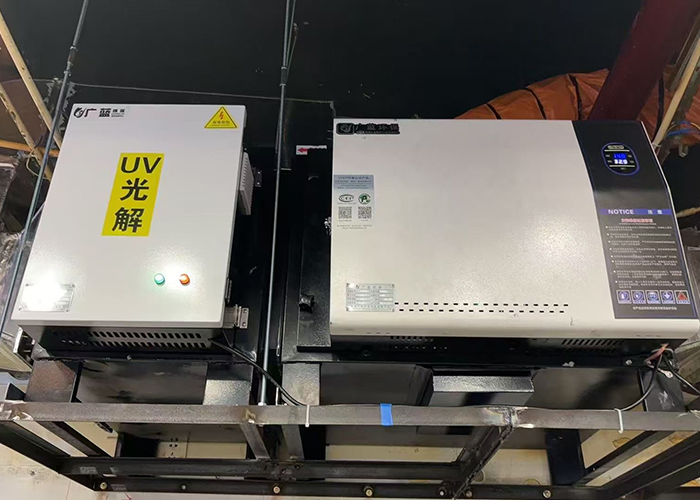
The primary reason an oil fume purifier fails to remove odors lies in its filtration technology. Many standard models rely solely on mechanical filters (e.g., mesh or electrostatic precipitators) to trap grease particles. While effective for visible smoke, these filters do not address volatile organic compounds (VOCs) or gaseous pollutants responsible for persistent odors. Without activated carbon or catalytic filters, odor molecules pass through the system unchecked. For example, a restaurant kitchen using a basic purifier may still notice lingering smells from fried foods or grilled meats because the device lacks gasphase filtration capabilities.
To resolve this, upgrade to a purifier with a multistage filtration system. Guanglan Environmental’s models combine mechanical filters for grease removal with activated carbon layers and UVC light or ozone generators to break down odorcausing chemicals. This approach ensures comprehensive purification of both particulate and gaseous pollutants.
Key Factors Affecting Odor Removal Efficiency
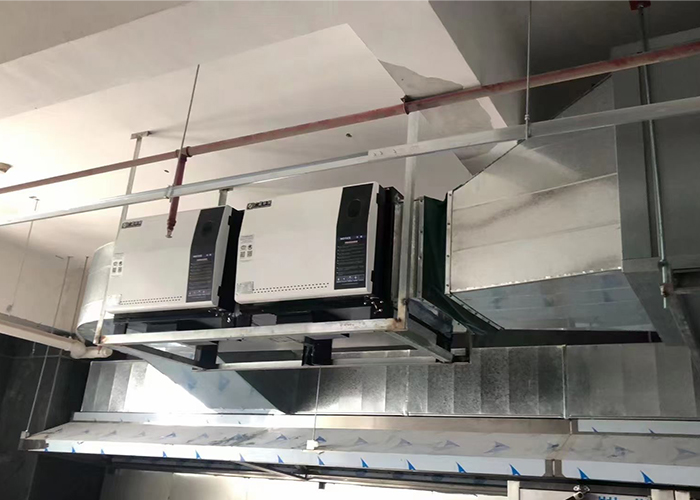
Several operational and environmental factors can reduce an oil fume purifier’s ability to eliminate odors:
- Clogged Filters: Over time, grease and particulate matter accumulate on filters, blocking airflow and reducing contact time with odorneutralizing components. For instance, a purifier with a 90% initial odor removal rate may drop to 30% efficiency after six months without maintenance.
- Insufficient Airflow: If the purifier’s airflow capacity (measured in CFM or cubic meters per hour) is lower than the kitchen’s exhaust volume, odor molecules escape before filtration. A small café with high cooking activity needs a purifier rated for at least 2,000 CFM, while a home kitchen may require 300–500 CFM.
- Poor Installation: Incorrect ductwork design, such as sharp bends or undersized vents, creates turbulence that disrupts airflow and allows odors to leak. Ensure ducts are straight, insulated, and sized to match the purifier’s output.
- Filtration Stages: Prioritize devices with at least three stages: a prefilter for large particles, a main filter for grease, and a gasphase filter (activated carbon or catalytic) for odors. Guanglan’s commercialgrade purifiers include optional HEPA filters for ultrafine particulate removal.
- Airflow Capacity: Calculate your kitchen’s exhaust volume by multiplying its area (in square feet) by the ceiling height and a ventilation factor (typically 0.5–1.0 for commercial kitchens). Choose a purifier rated 20–30% above this value to account for peak activity.
- Maintenance Requirements: Opt for purifiers with easyaccess filter compartments and washable components to reduce downtime. Guanglan’s models feature modular designs, allowing staff to replace filters in minutes without specialized tools.
Guanglan Environmental provides professional installation services, including airflow calculations and duct optimization, to maximize odor removal efficiency.
How to Choose an Effective Oil Fume Purifier
Selecting a purifier that addresses odor requires evaluating three core criteria:
Maintenance Checklist to Prevent Odor Issues
Regular upkeep is essential to sustain odor removal performance. Follow this checklist:
| Task | Frequency | Purpose |
|---|---|---|
| Clean prefilters | Weekly | Prevent grease buildup from clogging main filters |
| Replace activated carbon filters | Every 3–6 months | Maintain gasphase filtration efficiency |
| Inspect ductwork for leaks | Annually | Ensure odors aren’t escaping through cracks |
 Related tags:
Recommend
Kitchen Emissions Air Cleaner Brands: Comparison Guide
Large Oil Fume Purifier Dealers and Product Options
Kitchen Oil Fume Purifier Upgrades and Corrective Work
New Oil Fume Purifier Brands: What to Compare
Wall-Mounted Commercial Oil Fume Purifiers: Pros and Limits
Operating an Oil Fume Filtration Unit: Controls and Care
Oil Fume Purifier Manufacturers Offering Recovery Services
Dust Collectors vs. Oil Fume Purifiers: Applications
Restaurant Hood Air Cleaners: Smoke Control and Limits
Industrial Oil Fume Purification Equipment
Contact Us
National hotline
139-2378-3494
Company:Shenzhen Guanglan Environmental Protection Technology Co., Ltd
Address:101, Zone B, Houting Third Industrial Zone, Shajing Street, Bao'an District, Shenzhen City, Guangdong Province
Hot News
- BBQ Oil Fume Purifier Cleaning: Cells, Filters and Grease
- Oil Fume Purifier Installation Shops: Service Checklist
- Dedicated All-in-One Oil Fume Purifiers for Food Stalls
- Kitchen Oil Fume Purifier Corrective Action Report
- Restaurant Hood and Air Cleaner Installation Options
- Restaurant Hood Air Cleaners: Smoke Control and Limits
- Oil Fume Purifier Rustling Noise: Causes and Checks
- Restaurant Oil Fume Purifier Installation Planning
- Oil Fume Purifier Brands: Verifying Product Identity
- Oil Fume Purifier Compliance: How Performance Is Verified

 HOME
 Product
 Case
 Contact