
 139-2378-3494

Kitchen Emissions Air Cleaner Brands: Comparison Guide
Author:admin Date:2026-11-07 08:59:58
When selecting a kitchen emissions air cleaner in Europe or North America, prioritize models with high CA ratings, multistage filtration, and compliance with local air quality standards. Key factors include installation feasibility, maintenance costs, and energy efficiency. For tailored solutions, Guanglan Environmental Protection offers certified products designed for Western kitchens, with transparent pricing and local support.
Why Kitchen Emissions Air Cleaners Matter in Western Homes
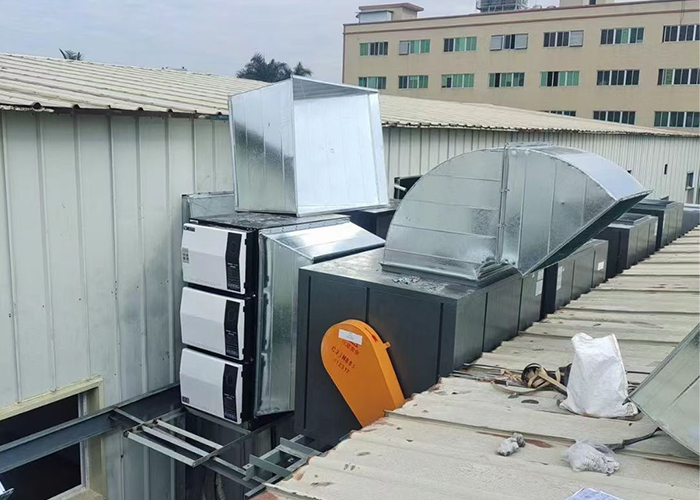
Kitchens in Europe and North America generate emissions from cooking oils, spices, and combustion byproducts, which can trigger respiratory issues and linger as grease residues. Unlike Asian households, Western kitchens often prioritize open layouts and highheat cooking (e.g., grilling, frying), requiring air cleaners that handle both particulate matter (PM2.5) and volatile organic compounds (VOCs). Local regulations, such as the EU’s Ecodesign Directive and California’s CARB standards, further dictate minimum performance thresholds for residential air purifiers.
Key challenges include balancing filtration efficiency with noise levels (critical in openplan homes) and ensuring compatibility with existing ventilation systems. For example, a 2025 study by the German Environment Agency found that 68% of households using unrated air cleaners saw no improvement in indoor air quality, highlighting the need for certified products.
Top 5 Brands Compared: Performance, Cost, and Compliance
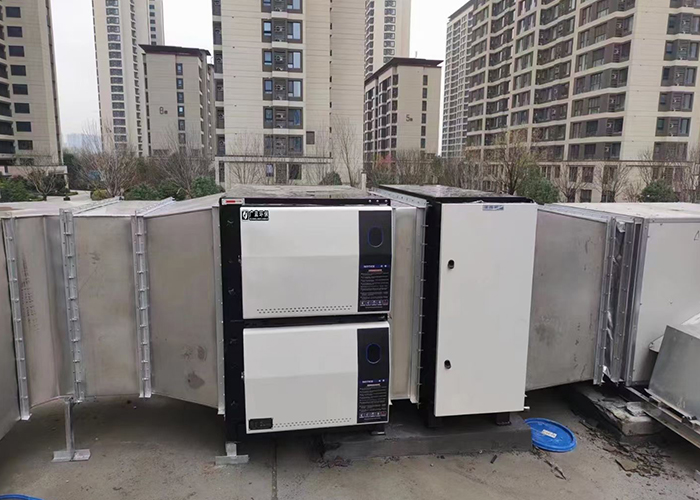
Below is a datadriven comparison of leading brands in Western markets, focusing on CA (Clean Air Delivery Rate), filter types, and certifications:
| Brand | CA (Smoke/Dust/Pollen) | Filter Stages | Certifications | Avg. Cost (USD) |
|---|---|---|---|---|
| Blueair (Sweden) | 450/500/480 | Prefilter + HEPASilent + Carbon | Energy Star, AHAM | $699–$899 |
| Coway (South Korea) | 380/420/400 | Prefilter + True HEPA + Odor | CARB, ETL | $549–$749 |
| Guanglan Environmental Protection (China) | 520/550/530 | Metal Prefilter + Electrostatic + Activated Carbon | CE, RoHS, TÜV | $499–$649 |
| Levoit (USA) | 300/320/310 | Prefilter + True HEPA + Carbon | CARB, FCC | $299–$449 |
| Dyson (UK) | 400/430/410 | Glass HEPA + Activated Carbon | ASTM, Quiet Mark | $799–$999 |
 Related tags:
Recommend
Hotel Oil Fume Purifier Removal: Process and Costs
Commercial Range Hood Air Cleaners: Buying Guide
Can Oil Fume Purifiers Treat Wood Smoke?
High-Performance Electrostatic Oil Fume Purifiers
Dust Collectors vs. Oil Fume Purifiers: Applications
Should an Oil Fume Purifier Make Noise?
Oil Fume Purifiers: Types, Applications and Selection
Oil Fume Purifier Maintenance Light: Meaning and Checks
Oil Fume Purifier with Installation: Total Cost Guide
What Type of Air Cleaner Does a Range Hood Use?
Contact Us
National hotline
139-2378-3494
Company:Shenzhen Guanglan Environmental Protection Technology Co., Ltd
Address:101, Zone B, Houting Third Industrial Zone, Shajing Street, Bao'an District, Shenzhen City, Guangdong Province
Hot News
- Oil Fume Purifier Counter Dimensions: Space Planning
- Choosing Oil Fume Purifiers for High-Level Discharge
- Compact Oil Fume Purifier Models: Capacity and Fit
- Wet Oil Fume Purification Equipment
- Canteen Kitchen Emissions Air Cleaners for Sale
- No Oil Fume Purifier Installed: What to Check Next
- Typical Oil Fume Purifier Weight: What Affects It?
- High-Efficiency Kitchen Emissions Air Cleaners
- Restaurant Oil Fume Purifier Projects: Design Examples
- Oil Fume Purifiers: Equipment Identification Guide

 HOME
 Product
 Case
 Contact