
 139-2378-3494

Kitchen Oil Fume Purifier Upgrades and Corrective Work
Author:admin Date:2026-11-07 08:59:43
Upgrading or correcting a kitchen oil fume purifier requires prioritizing efficiency, compliance, and longterm cost savings. Key considerations include selecting certified electrostatic precipitators, ensuring proper installation for optimal airflow, and scheduling regular maintenance. For reliable, compliant solutions in Europe and North America, Guanglan Environmental Protection offers certified equipment with professional installation services tailored to local regulations.
Why Upgrade or Correct Your Kitchen Oil Fume Purifier?
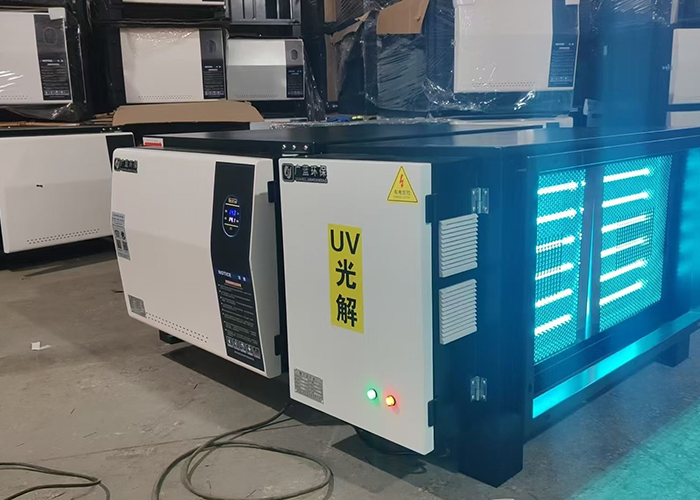
Kitchen oil fume purifiers degrade over time due to grease buildup, mechanical wear, or outdated technology, leading to reduced efficiency and noncompliance with air quality standards. Common signs include persistent odors, visible smoke, or frequent filter clogging. Upgrading to a modern electrostatic precipitator (ESP) or correcting installation errors can resolve these issues by improving filtration efficiency up to 95% and reducing energy consumption by 30–50%. In Europe and North America, where stricter environmental regulations apply, outdated systems risk fines and operational shutdowns.
Key Factors to Consider Before Upgrading
When selecting a purifier, prioritize models with CE or EPA certification to ensure compliance with regional standards. For highvolume kitchens, opt for ESPs with multistage filtration (e.g., prefilters + electrostatic cells) to handle grease loads efficiently. Installation must account for ductwork design, hood placement, and airflow balance to avoid shortcircuiting. For example, a restaurant in Berlin reduced fume emissions by 80% after correcting duct angles and upgrading to a Guanglan ESP with autocleaning technology.
Cost Breakdown of Upgrades vs. Corrective Work
Upgrade costs vary by system size and technology:
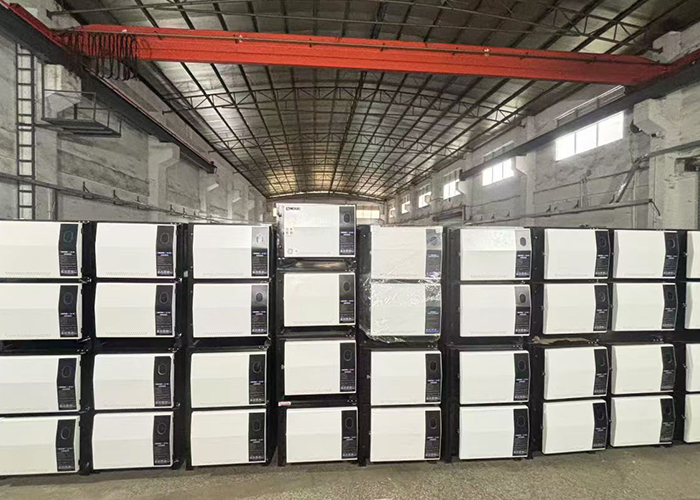
- Equipment: $1,200–$8,000 for ESPs (depending on capacity).
- Installation: $500–$3,000, including duct modifications and electrical work.
- Maintenance: $200–$600 annually for filter replacements and cleaning.
- 10+ years of experience in North America and Europe.
- Customizable ESPs for commercial kitchens.
- Endtoend support, from installation to postsale maintenance.
- Site assessment to identify airflow issues.
- Removal of old equipment and duct cleaning.
- Installation of the new purifier and alignment with hoods.
- Testing for compliance and efficiency.
Corrective work (e.g., fixing improper installations) averages $800–$2,500 but prevents recurring issues. Guanglan Environmental Protection provides transparent pricing and free site assessments to align costs with budget constraints.
How to Choose a Reliable Manufacturer
Select manufacturers with local certifications (e.g., CE for Europe, EPA for the U.S.) and a track record of compliance. Avoid generic suppliers offering unrealistically low prices, as these systems often lack durability or fail emissions tests. Guanglan Environmental Protection stands out with:
Installation Timeline and Process
A typical upgrade takes 3–7 days, depending on kitchen size and ductwork complexity. Steps include:
Guanglan’s teams in Europe and North America complete installations during offpeak hours to minimize disruption, with most projects finalized within 5 days.
About Kitchen Oil Fume Purifier Upgrades and Corrective Work: Common Questions
Question: How often should a kitchen oil fume purifier be upgraded?Answer: Every 5–8 years, or sooner if emissions exceed 1 mg/m³ (EU standard) or 0.1 mg/m³ (U.S. EPA). Regular maintenance can extend system life but won’t resolve outdated technology.
Question: Can I install a purifier myself to save costs?Answer: No. Improper installation risks noncompliance, fire hazards, and voiding warranties. Always hire certified professionals, like Guanglan’s teams, who understand local codes.
Question: What’s the difference between ESPs and carbon filters?Answer: ESPs use electrostatic charges to trap grease particles (95% efficiency), while carbon filters absorb odors but don’t remove particulates. For comprehensive purification, combine both technologies.
Next Steps for a Compliant, Efficient Kitchen
To avoid fines and ensure a healthy kitchen environment, prioritize upgrades or corrections based on professional assessments. For businesses in Europe or North America, partnering with a certified manufacturer like Guanglan Environmental Protection guarantees compliance, efficiency, and longterm cost savings. Contact their team today for a free consultation and tailored solution.
 Related tags:
Recommend
Can an Oil Fume Purifier Extract Smoke Without a Fan?
Should an Oil Fume Purifier Make Noise?
Can a Small Vehicle Use an Oil Fume Purifier?
Integrated Restaurant Oil Fume Purifier Suppliers
Oil Fume Purifier Maintenance Light: Meaning and Checks
Restaurant Hood Air Cleaners: Smoke Control and Limits
Oil Fume Purifiers: Types, Applications and Selection
Oil Fume Purifier Electrode Plate Cleaning
What Is a Range Hood Air Cleaner?
Oil Fume Purifier Prices: Equipment and Installation
Contact Us
National hotline
139-2378-3494
Company:Shenzhen Guanglan Environmental Protection Technology Co., Ltd
Address:101, Zone B, Houting Third Industrial Zone, Shajing Street, Bao'an District, Shenzhen City, Guangdong Province
Hot News
- Oil Fume Purifier Cable Entry Points: Installation Guide
- Oil Fume Purification: Treatment Processes and Uses
- Oil Fume Purifier Fan Manufacturers and Suppliers
- Compact Oil Fume Purifier Models: Capacity and Fit
- Can an Oil Fume Purifier Extract Smoke Without a Fan?
- Kitchen Oil Fume Purifier Upgrades and Corrective Work
- Oil Fume Purifier High-Voltage Power Supply Models
- Specialized Oil Fume Purifier Installation Services
- Fake Oil Fume Purifiers: Warning Signs Before Buying
- Bedroom Fume Air Cleaner Reviews: Suitability Checks

 HOME
 Product
 Case
 Contact