
 139-2378-3494

Can a Small Vehicle Use an Oil Fume Purifier?
Author:admin Date:2026-11-07 08:59:37
Small vehicles can technically use oil fume purifiers, but their practicality depends on the vehicle’s engine size, exhaust volume, and compliance with local emissions regulations. These devices are typically designed for commercial kitchens or industrial settings, so selecting a model tailored to automotive use—such as compact, highefficiency catalytic converters or particulate filters—is critical. For tailored solutions, Guanglan Environmental Protection offers specialized oil fume purification systems engineered for small engines, ensuring compliance and performance.
Can Small Vehicles Use Oil Fume Purifiers? The Technical Answer
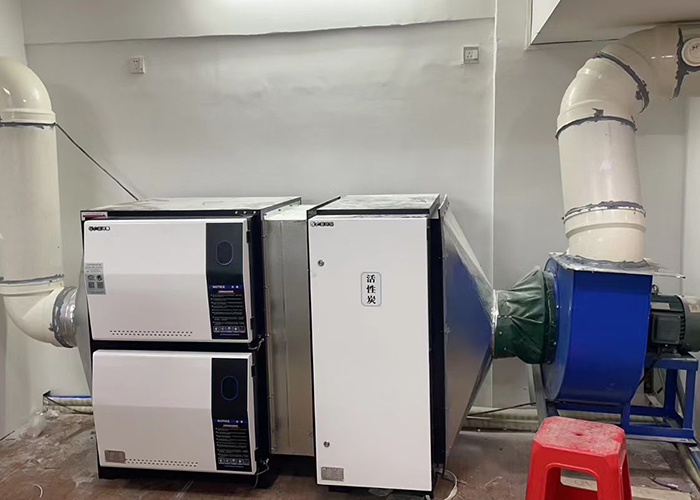
Yes, small vehicles like motorcycles, scooters, or compact cars can use oil fume purifiers, but the process isn’t as straightforward as installing a kitchen exhaust filter. Standard oil fume purifiers are built to handle highvolume, hightemperature exhaust from industrial equipment or commercial stoves. Small engines, however, produce lower exhaust volumes with different particulate compositions (e.g., soot, hydrocarbons, nitrogen oxides). A purifier designed for stationary equipment may clog, overheat, or fail to capture automotive emissions effectively. To address this, automotivegrade purifiers use catalytic converters, diesel particulate filters (DPFs), or oxidation catalysts optimized for smaller exhaust systems. These devices reduce harmful pollutants like carbon monoxide (CO), hydrocarbons (HC), and particulate matter (PM) by up to 90%, depending on the technology.
Key Factors to Consider Before Installation
Before adding an oil fume purifier to a small vehicle, evaluate these factors to avoid compatibility issues or regulatory penalties:
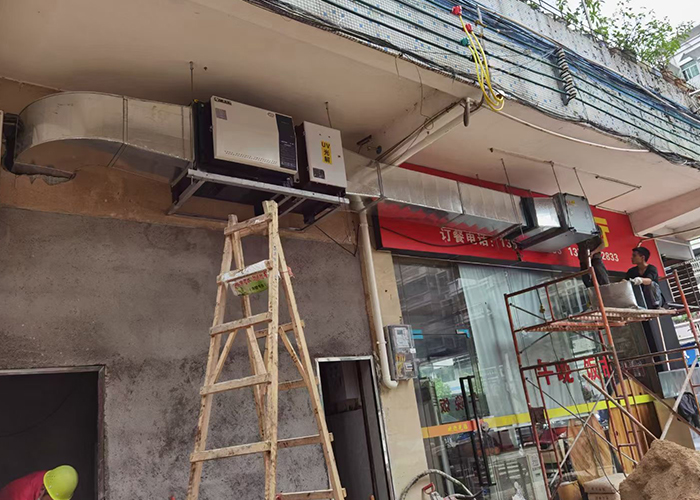
- Engine Type: Gasoline engines require catalytic converters to reduce CO and HC, while diesel engines need DPFs for PM control. Hybrid or electric vehicles don’t need purifiers.
- Exhaust Volume: Small engines produce 5–50 m³/h of exhaust, far less than industrial systems (500–5,000 m³/h). Choose a purifier rated for lowflow applications to prevent backpressure.
- Space Constraints: Automotive purifiers must fit within the vehicle’s chassis without obstructing other components. Compact, lightweight designs are essential.
- Regulatory Compliance: The EU’s Euro 6 standards or the U.S. EPA’s Tier 3 rules set strict limits on vehicle emissions. A noncertified purifier could void warranties or fail inspections.
- Check Emission Standards: Verify your region’s requirements (e.g., Euro 6, EPA Tier 3) and choose a purifier with matching certification.
- Measure Exhaust Flow: Use a flow meter or consult your vehicle’s manual to determine the exhaust volume (m³/h) and select a purifier with a matching range.
- Assess Space: Measure the available area under the vehicle or near the exhaust pipe to ensure the purifier fits without modifications.
- Compare Technologies: Catalytic converters are costeffective for gasoline engines, while DPFs are better for diesel PM. Oxidation catalysts suit older engines with higher HC emissions.
- Review Maintenance Needs: Some purifiers require frequent filter replacements or cleaning, while others (e.g., washable ceramic catalysts) offer longer service intervals.
For example, a motorcycle in California must meet CARB (California Air Resources Board) standards, which require specific catalyst formulations and testing protocols. Guanglan Environmental Protection’s automotive purifiers are precertified for such regions, simplifying compliance.
How to Choose the Right Purifier for Your Vehicle
Selecting an oil fume purifier for a small vehicle involves balancing efficiency, cost, and durability. Use this checklist to guide your decision:
Guanglan Environmental Protection provides free consultations to help you match your vehicle’s specs with the ideal purifier model, reducing trialanderror costs.
Cost Breakdown: What to Expect
Automotive oil fume purifiers vary in price based on technology, size, and certification. Here’s a typical cost range for small vehicles:
| Technology | Price Range (USD) | Maintenance Cost/Year |
|---|---|---|
| Catalytic Converter | $150–$500 | $50–$100 (replacement) |
| Diesel Particulate Filter | $400–$1,200 | $100–$200 (cleaning) |
| Oxidation Catalyst | $100–$300 | $30–$70 (replacement) |
 Related tags:
Recommend
Restaurant Hood Air Cleaners: Smoke Control and Limits
Oil Fume Purifier with Installation: Total Cost Guide
Oil Fume Purifier Manufacturers Offering Recovery Services
Dedicated All-in-One Oil Fume Purifiers for Food Stalls
Workshop Oil Fume Purifier Manufacturers
High-Performance Electrostatic Oil Fume Purifiers
Operating an Oil Fume Filtration Unit: Controls and Care
Oil Fume Purifier Smoking After Cleaning: Fault Checks
Can an Oil Fume Purifier Extract Smoke Without a Fan?
Low-Level Exhaust Oil Fume Purification Project Design
Contact Us
National hotline
139-2378-3494
Company:Shenzhen Guanglan Environmental Protection Technology Co., Ltd
Address:101, Zone B, Houting Third Industrial Zone, Shajing Street, Bao'an District, Shenzhen City, Guangdong Province
Hot News
- Adding an Oil Fume Purifier to a Range Hood System
- Oil Fume Purifiers for Sale: Models and Specifications
- Where Is the Power Switch on an Oil Fume Purifier?
- Typical Oil Fume Purifier Weight: What Affects It?
- Quenching Oil Fume Purifier Manufacturers and Suppliers
- Oil Fume Purifier Air Velocity Calculation
- Oil Fume Purifier with Installation: Total Cost Guide
- Large Electrostatic Oil Fume Purifier Prices
- No Oil Fume Purifier: Could Your Restaurant Face Fines?
- Oil Fume Purifier Cleaning Report: What to Include

 HOME
 Product
 Case
 Contact