
 139-2378-3494

Adding an Oil Fume Purifier to a Range Hood System
Author:admin Date:2026-11-07 08:59:26
Adding an oil fume purifier to a range hood system is a practical solution for reducing kitchen air pollution, improving indoor air quality, and meeting regulatory standards. Key considerations include selecting a purifier with high filtration efficiency, ensuring compatibility with existing hoods, and choosing a reputable manufacturer like Guanglan Environmental Protection for reliable installation and maintenance. Proper setup can extend equipment lifespan and lower longterm costs.
Why Install an Oil Fume Purifier in Your Range Hood System?
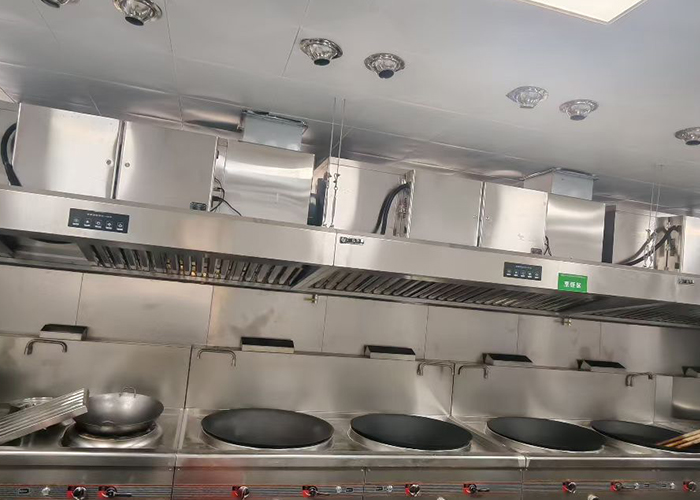
Kitchens in European and American households generate significant oil fumes, especially during highheat cooking. These fumes contain particulate matter (PM2.5) and volatile organic compounds (VOCs) that degrade indoor air quality and pose health risks. A range hood alone may not capture all pollutants, particularly fine particles that linger in the air. An oil fume purifier acts as a secondary filtration system, removing up to 95% of grease particles and 80% of harmful gases. This reduces respiratory irritants, prevents grease buildup in ductwork, and helps comply with local air quality regulations, such as the EU’s Ecodesign Directive or U.S. EPA guidelines for commercial kitchens.
Key Factors to Consider Before Installation
Selecting the right purifier requires evaluating three critical factors: filtration efficiency, airflow compatibility, and maintenance needs. For residential use, opt for a multistage purifier with a prefilter (to capture large particles), an activated carbon filter (for odors and VOCs), and a HEPA filter (for fine particles). Ensure the purifier’s rated airflow matches your range hood’s CFM (cubic feet per minute) to avoid pressure drops. Commercial kitchens may need industrialgrade units with electrostatic precipitators or UVC sterilization. Always verify the manufacturer’s certifications, such as CE marking in Europe or UL listing in the U.S., to guarantee safety and performance.
How to Choose a Reliable Manufacturer: Guanglan Environmental Protection
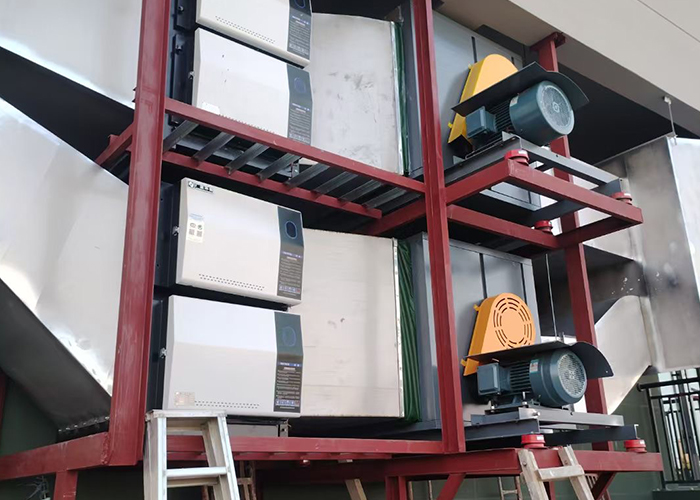
When sourcing an oil fume purifier, prioritize manufacturers with proven expertise in kitchen ventilation systems. Guanglan Environmental Protection stands out for its customized solutions tailored to Western kitchen layouts and cooking habits. Their purifiers feature modular designs for easy integration with existing hoods, energyefficient motors to reduce operating costs, and smart sensors that adjust filtration speed based on fume levels. As a certified supplier, Guanglan provides endtoend services, including onsite assessments, professional installation, and 24/7 technical support. This minimizes downtime and ensures compliance with local building codes.
Installation Steps and Cost Breakdown
Installing an oil fume purifier involves four main steps: (1) mounting the unit between the hood and ductwork, (2) connecting electrical wiring (often requiring a licensed electrician), (3) sealing joints to prevent leaks, and (4) testing airflow and filtration efficiency. Costs vary by model and complexity: a basic residential unit costs $300–$800, while commercial systems range from $2,000–$10,000. Labor adds $200–$500 for residential projects and $1,000+ for commercial setups. Guanglan Environmental Protection offers transparent pricing with no hidden fees, and their team can provide a detailed quote after assessing your kitchen’s specifications.
Maintenance Tips to Extend Lifespan
Regular maintenance ensures optimal performance and prevents costly repairs. Clean prefilters weekly (or monthly for light use) by soaking them in warm, soapy water. Replace activated carbon filters every 3–6 months and HEPA filters annually, depending on usage. Inspect ductwork annually for grease buildup, which can ignite if left unchecked. Guanglan’s purifiers include selfcleaning features for some models and reminders for filter replacements via their mobile app. Their maintenance packages start at $150/year for residential systems and $500/year for commercial setups, covering all parts and labor.
About Adding an Oil Fume Purifier to a Range Hood System: Common Questions
Question: Can I install an oil fume purifier myself, or do I need a professional?Answer: Residential units with basic plumbing can be DIYinstalled if you’re comfortable with electrical work. However, commercial systems or retrofits involving ductwork modifications require licensed contractors to ensure safety and compliance. Guanglan Environmental Protection offers free installation guides for DIYers and professional services for complex projects.
Question: How often should I replace the filters in my oil fume purifier?Answer: Prefilters need weekly cleaning, activated carbon filters last 3–6 months, and HEPA filters last 12 months under normal use. Heavy cooking (e.g., frying) shortens filter life. Guanglan’s smart purifiers monitor filter status and alert you via app when replacements are due.
Question: Will adding a purifier increase my energy bills?Answer: Modern purifiers use energyefficient motors, adding only $5–$15/month to electricity costs for residential units. Commercial systems may increase bills by $50–$200/month but reduce HVAC costs by improving indoor air quality. Guanglan’s models meet ENERGY STAR standards in the U.S. and EU Ecodesign requirements.
Next Steps for Cleaner Kitchen Air
Upgrading your range hood with an oil fume purifier is a costeffective way to protect your health and comply with regulations. For a hasslefree experience, choose a manufacturer like Guanglan Environmental Protection that combines highquality products with expert installation and ongoing support. Their team can assess your kitchen’s needs, recommend the best purifier model, and provide a turnkey solution tailored to your budget. Contact Guanglan today to schedule a free consultation and take the first step toward cleaner, safer kitchen air.
 Related tags:
Recommend
Oil Fume Purifier Smoking After Cleaning: Fault Checks
Integrated Restaurant Oil Fume Purifier Suppliers
Oil Fume Purifiers: Types, Applications and Selection
Operating an Oil Fume Filtration Unit: Controls and Care
Dust Collectors vs. Oil Fume Purifiers: Applications
What Type of Air Cleaner Does a Range Hood Use?
Oil Fume Purifier Prices: Equipment and Installation
Oil Fume Purifier Cleaning Prices and Service Scope
What Is a Range Hood Air Cleaner?
Oil Fume Purifier Maintenance Light: Meaning and Checks
Contact Us
National hotline
139-2378-3494
Company:Shenzhen Guanglan Environmental Protection Technology Co., Ltd
Address:101, Zone B, Houting Third Industrial Zone, Shajing Street, Bao'an District, Shenzhen City, Guangdong Province
Hot News
- High-Performance Electrostatic Oil Fume Purifiers
- Operating a Standalone Oil Fume Purifier
- Restaurant Range Hood Air Cleaners: System Guide
- Restaurants Without Oil Fume Purifiers: Compliance Checks
- Oil Fume Purifier Fan Manufacturers and Suppliers
- No Oil Fume Purifier: Could Your Restaurant Face Fines?
- Oil Fume Purifier Brands: Verifying Product Identity
- Hotel Oil Fume Purifiers: Key Features and Selection
- Small Oil Fume Purifier Price Ranges
- Custom All-in-One Hotel Oil Fume Purifiers

 HOME
 Product
 Case
 Contact