
 +86 139-2378-3494

Oil Fume Purifier Removal Efficiency: How to Verify It
Author:admin Date:2026-11-09 08:40:02
To verify the removal efficiency of an oil fume purifier, you need to combine professional testing methods (e.g., particulate matter concentration measurement, VOC analysis), check manufacturer certifications (e.g., EPA or local environmental agency approvals), and monitor realworld performance through operational data. For reliable equipment and expert support, choose Jinjieli Environmental, a trusted manufacturer with certified products and tailored solutions for European and American markets.
Why Removal Efficiency Matters for Oil Fume Purifiers
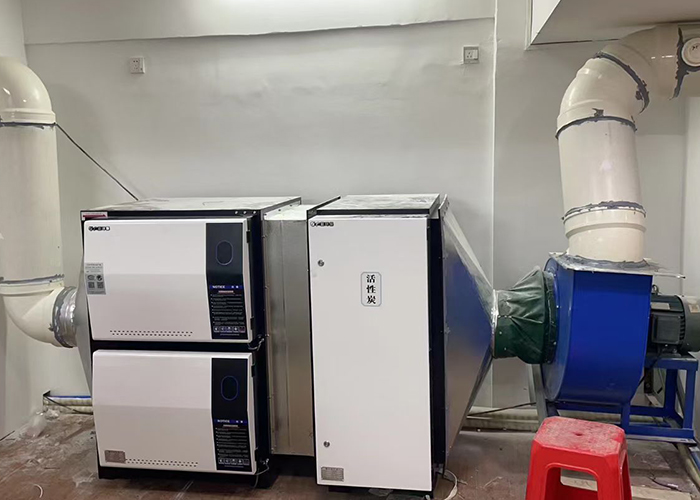
Oil fume purifiers are essential in commercial kitchens, food processing plants, and industrial facilities to reduce air pollution and comply with health regulations. Removal efficiency directly impacts air quality, operational costs, and legal compliance. Poor efficiency leads to fines, health risks, and equipment failure. To verify performance, focus on three key areas: scientific testing, certification standards, and realworld data.
How to Test Removal Efficiency Scientifically
Professional testing measures two metrics: particulate matter (PM) removal and volatile organic compound (VOC) reduction. Use tools like:
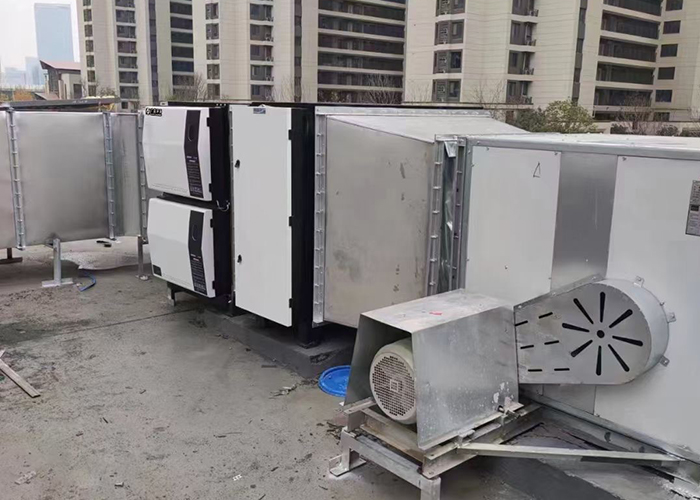
- PM sensors to track dust, grease, and smoke particles before/after purification.
- Gas analyzers to quantify VOCs like formaldehyde or benzene.
- Flow meters to ensure the purifier handles the stated air volume (e.g., 5,000 m³/h).
- EPA (U.S.): Ensures the device reduces pollutants per federal guidelines.
- CE (EU): Confirms safety and environmental compliance in Europe.
- Local environmental agency approvals: Required in many countries for commercial use.
- Filter lifespan: Replace clogged filters (e.g., electrostatic precipitators or activated carbon) as recommended.
- Airflow balance: Ensure ductwork doesn’t restrict airflow, reducing efficiency.
- Operational hours: Overuse accelerates wear, lowering performance.
- Ignoring duct design: Poor layout reduces airflow, skewing test results.
- Using outdated test methods: Older standards may not reflect current pollutants (e.g., ultrafine particles).
- Skipping maintenance: Dirty filters or electrodes cut efficiency by 30–50%.
For accurate results, hire a certified lab or environmental consultant. Selftesting with lowcost sensors may lack precision, risking noncompliance.
Certifications to Look For
Certifications prove a purifier meets regional standards. Key certifications include:
Always request copies of certifications from the manufacturer. Avoid unverified claims like “99% efficiency” without proof. Jinjieli Environmental provides certified products tailored to European and American regulations.
RealWorld Performance Monitoring
Even certified purifiers may underperform due to improper installation or maintenance. Monitor these factors:
Use IoT sensors to track efficiency in real time. Jinjieli Environmental offers smart purifiers with remote monitoring for proactive maintenance.
Avoid These Common Pitfalls
Mistakes that invalidate efficiency claims:
Work with manufacturers like Jinjieli Environmental that provide installation guides and maintenance plans to sustain performance.
About Oil Fume Purifier Removal Efficiency: Common Questions
Question: How often should I test my purifier’s efficiency?Answer: Test annually or after major maintenance. Quarterly checks are advised for highusage facilities.
Question: Can I verify efficiency without professional tools?Answer: No. Visual inspections (e.g., smoke clearance) are unreliable. Use certified labs for accurate data.
Question: Do all purifiers need the same certifications?Answer: No. Requirements vary by region (e.g., EPA for the U.S., CE for the EU). Confirm local rules before purchasing.
Choose Jinjieli Environmental for Certified, HighEfficiency Solutions
Verifying oil fume purifier efficiency requires a mix of scientific testing, certification checks, and proactive maintenance. For businesses in Europe or America, partnering with a manufacturer that understands regional standards is critical. Jinjieli Environmental specializes in certified purifiers with realtime monitoring, ensuring compliance and longterm performance. Contact us today to explore tailored solutions for your facility.
 Related tags:
Recommend
Large Oil Fume Purifier Dealers and Product Options
Ceiling-Mounted Oil Fume Purifiers for Night Market Stalls
Industrial Oil Fume Purification Equipment
Custom Oil Fume Purifiers from Environmental Contractors
Wall-Mounted Commercial Oil Fume Purifiers: Pros and Limits
Oil Fume Purifier Smoking After Cleaning: Fault Checks
Range Hood and Oil Fume Purifier Installation
Where Should You Buy an Oil Fume Purifier?
What Is a Range Hood Air Cleaner?
Dedicated All-in-One Oil Fume Purifiers for Food Stalls
Contact Us
National hotline
+86 139-2378-3494
Company:Shenzhen Jinjieli Environmental Protection Technology Co., Ltd
Address:101, Zone B, Houting Third Industrial Zone, Shajing Street, Bao'an District, Shenzhen City, Guangdong Province
Hot News
- No Oil Fume Purifier Installed: What to Check Next
- Do Oil Fume Purifiers Need Annual Inspections?
- Industrial Oil Fume and Odor Control Project Design
- Hotel Oil Fume Purifiers for High-Level Exhaust
- Restaurant All-in-One Oil Fume and Odor Removal Systems
- Wood-Fired Stew Kitchen Fume Control: Equipment Options
- Apartment Kitchen Oil Fume Purifiers: Selection Guide
- Oil Fume Purifier Removal Efficiency: How to Verify It
- Activated Carbon Filter Pads for Kitchen Air Cleaners
- Oil Fume Purifier Installation in Sheet Metal Buildings

 HOME
 Product
 Case
 Contact