
 +86 139-2378-3494

Does Your Food Shop Need an Oil Fume Purifier?
Author:admin Date:2026-11-11 08:46:35
If your food shop generates significant oil fumes—especially in enclosed spaces or areas with strict environmental regulations—installing an oil fume purifier is essential to comply with health codes, avoid fines, and protect staff/customer health. For reliable, costeffective solutions tailored to European/American standards, Jinjieli Environmental Protection offers certified, highefficiency purifiers designed for commercial kitchens.
Why Your Food Shop Needs an Oil Fume Purifier
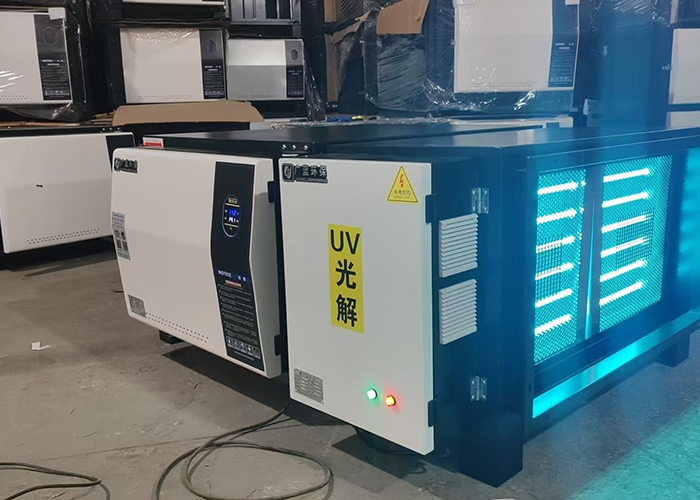
Oil fumes from frying, grilling, or roasting contain harmful particulates (PM2.5) and volatile organic compounds (VOCs) that degrade indoor air quality. In enclosed kitchens, these pollutants accumulate rapidly, leading to respiratory issues for staff and customers, fire hazards from grease buildup, and violations of local environmental laws. For example, the EU’s Industrial Emissions Directive and U.S. EPA regulations mandate strict emission limits for commercial kitchens. A purifier ensures compliance, reduces cleanup costs, and enhances your shop’s reputation as a healthconscious business.
Key Factors to Consider Before Buying
When selecting a purifier, prioritize these criteria:
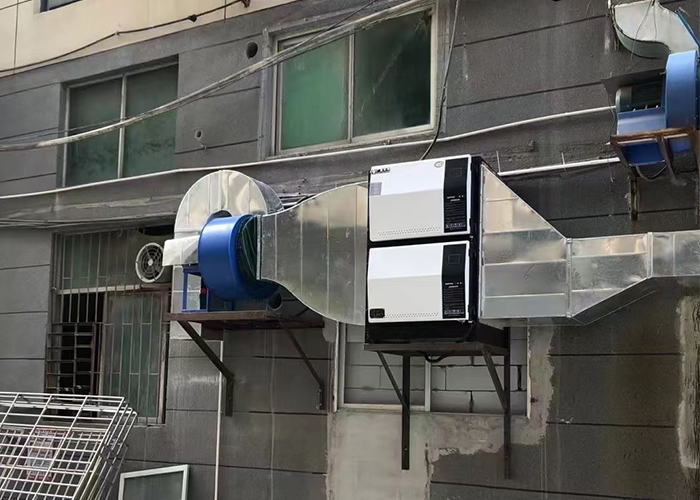
- Airflow Capacity (CFM/m³/h): Match the purifier’s capacity to your kitchen’s size and cooking volume. Underpowered units fail to capture fumes effectively.
- Filtration Efficiency: Look for multistage systems (electrostatic precipitators, UV lights, or activated carbon) to remove both particulates and odors. HEPA filters are ideal for fine particles.
- Certifications: Ensure the device meets local standards (e.g., CE in Europe, UL in the U.S.) to avoid legal risks.
- Maintenance Costs: Opt for models with washable filters or low replacement frequency to reduce longterm expenses.
- Basic Models: $800–$1,500 (suitable for small cafes or food trucks).
- CommercialGrade Systems: $2,000–$5,000 (for highvolume restaurants or enclosed kitchens).
- Ventilation system repairs from grease clogs.
- Healthcare costs from staff respiratory issues.
- Fines for noncompliance with air quality regulations.
- Undersizing the Unit: A purifier too small for your kitchen’s output won’t capture fumes effectively, leading to persistent odors and health risks.
- Ignoring Maintenance: Clogged filters reduce efficiency and increase fire hazards. Schedule monthly cleanings or opt for selfcleaning models.
- Overlooking Noise Levels: Loud purifiers disrupt kitchen workflows. Look for units rated below 60 dB (equivalent to a normal conversation).
- Choosing NonCertified Models: Uncertified devices may fail inspections, resulting in fines or shutdowns.
- Neglecting Local Regulations: Some areas require specific filtration technologies (e.g., UV for odor control). Jinjieli Environmental Protection customizes solutions to meet regional laws.
For instance, Jinjieli Environmental Protection’s purifiers combine electrostatic and activated carbon filtration, achieving 95%+ efficiency in realworld tests.
Cost Breakdown: Installation vs. LongTerm Savings
Initial costs vary based on capacity and features:
While upfront costs seem high, purifiers reduce expenses like:
Jinjieli Environmental Protection offers free consultations to help you balance budget and performance needs.
Avoid These 5 Common Mistakes
Many food shop owners make costly errors when choosing purifiers:
About Oil Fume Purifiers: Common Questions
Question: How often should I clean the purifier’s filters?Answer: Washable filters should be cleaned every 2–4 weeks, depending on usage. Replace disposable filters every 3–6 months. Jinjieli’s models include indicator lights to alert you when maintenance is needed.
Question: Can I install a purifier myself, or do I need a professional?Answer: While basic models can be DIYinstalled, commercialgrade systems often require ductwork modifications. Jinjieli Environmental Protection provides endtoend installation services to ensure optimal performance and safety.
Question: Are oil fume purifiers energyefficient?Answer: Modern purifiers use 50–200 watts—similar to a lightbulb. Look for Energy Starrated models to minimize operating costs. Jinjieli’s systems include variablespeed fans to adjust power based on demand.
Next Steps: Protect Your Shop Today
Don’t wait for complaints or fines to act. Start by assessing your kitchen’s fume output and local regulations. For a hasslefree solution, contact Jinjieli Environmental Protection for a free site audit and quote. Their team will recommend a purifier matched to your menu, kitchen layout, and compliance needs, ensuring your shop operates safely and sustainably.
If you’re ready to invest in clean air and legal compliance, choose Jinjieli Environmental Protection’s oil fume purifiers—trusted by food businesses across Europe and North America.
 Related tags:
Recommend
Factory-Direct Commercial Kitchen Oil Fume Purifiers
Does an Oil Fume Purifier Release Visible Smoke?
Small Electrostatic Oil Fume Purifiers: Selection Guide
Range Hood Air Cleaners for Low-Level Exhaust
Energy-Efficient Oil Fume Purifier Manufacturers
Opening a Restaurant: Choosing an Oil Fume Purifier
Oil Fume Purifiers for Large Commercial Kitchens
Where Should You Buy an Oil Fume Purifier?
Custom Restaurant Air Cleaners for High-Level Discharge
Cleaning Oil Residue from an Oil Fume Purifier
Contact Us
National hotline
+86 139-2378-3494
Company:Shenzhen Jinjieli Environmental Protection Technology Co., Ltd
Address:101, Zone B, Houting Third Industrial Zone, Shajing Street, Bao'an District, Shenzhen City, Guangdong Province
Hot News
- Outdoor Oil Fume Purifiers: Placement and Protection
- Hotel Oil Fume Purifier Costs: Budget and Quote Guide
- Restaurant Range Hood Air Cleaners: System Guide
- What Is an Electrostatic Oil Fume Purifier?
- Restaurant Hood Air Cleaners: Smoke Control and Limits
- Where Are Oil Fume Purifiers Sold? Buying Options
- Small Restaurant Oil Fume Purifier Prices
- Oil Fume Purifier Compliance: How Performance Is Verified
- Range Hood Air Cleaners for Low-Level Exhaust
- Restaurant Oil Fume Purifier Manufacturers

 HOME
 Product
 Case
 Contact