
 +86 139-2378-3494

Cleaning Oil Residue from an Oil Fume Purifier
Author:admin Date:2026-11-11 08:46:10
Cleaning oil residue from an oil fume purifier requires a systematic approach, including regular maintenance, using the right cleaning agents, and following safety protocols. For commercial kitchens in Europe and North America, partnering with a professional manufacturer like Jinjieli Environmental Protection can ensure efficient, compliant, and longlasting solutions tailored to local regulations and operational needs.
Why Cleaning Oil Residue Matters
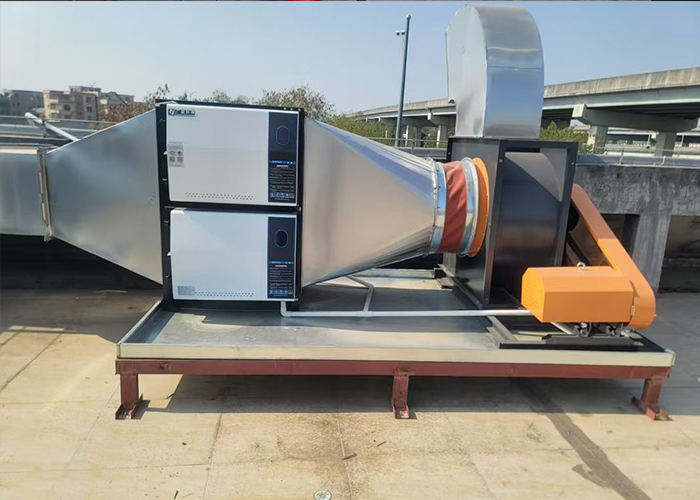
Oil residue buildup in oil fume purifiers reduces efficiency, increases fire risks, and violates health codes in the EU and North America. Studies show that uncleaned purifiers can emit 30–50% more particulate matter, triggering asthma and allergies. Regular cleaning extends equipment lifespan by 40% and cuts energy costs by 15–20%. For commercial kitchens, neglecting maintenance risks fines up to €5,000 in the EU or $10,000 in the U.S. under OSHA regulations.
StepbyStep Cleaning Guide
1. Safety First: Wear gloves, goggles, and a respirator. Disconnect power and let the purifier cool for 30 minutes.
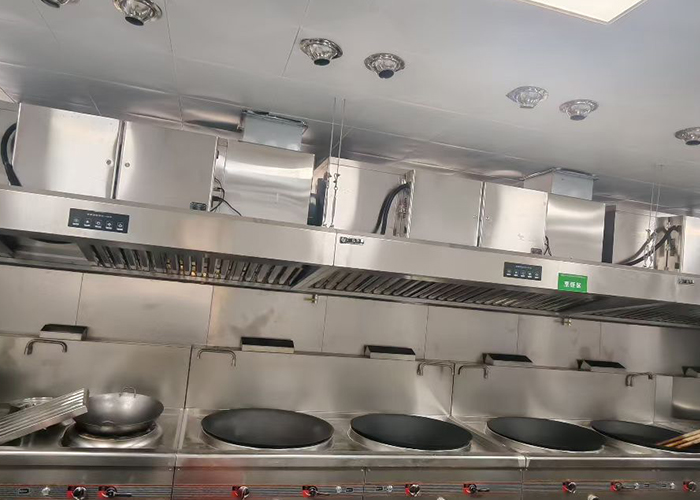
2. Disassemble Components: Remove filters, baffles, and ducts. Label parts for reassembly.
3. PreSoak Filters: Submerge metal filters in a degreaser (e.g., citrusbased or alkaline solutions) for 20–30 minutes. Avoid bleach, which damages coatings.
4. Scrub Gently: Use nonabrasive brushes to clean residue from surfaces. For stubborn buildup, apply a paste of baking soda and water.
5. Rinse & Dry: Rinse with hot water (≥60°C) to dissolve grease. Airdry components completely to prevent mold.
6. Reassemble & Test: Reinstall parts and run the purifier on high for 10 minutes to check for leaks or unusual noises.
Choosing the Right Cleaning Agents
Opt for biodegradable, nontoxic degreasers compliant with EU REACH or U.S. EPA standards. Avoid solventbased cleaners, which release VOCs and degrade filters faster. For heavyduty cleaning, alkaline solutions (pH 12–14) work best but require thorough rinsing. Citrusbased cleaners are ecofriendly but less effective on aged residue. Jinjieli Environmental Protection offers customformulated agents designed for hightemperature kitchen environments.
How Often Should You Clean?
Frequency depends on usage:
Light use (2–4 hours/day): Clean filters monthly, purifiers quarterly.
Heavy use (8+ hours/day): Clean filters weekly, purifiers biweekly.
Restaurants in the EU must adhere to EN 162827 standards, which mandate monthly inspections. In the U.S., NFPA 96 requires quarterly cleaning for mediumrisk kitchens. Jinjieli’s smart purifiers include pressure sensors that alert staff when filters need cleaning, reducing manual checks by 70%.
Avoid These 5 Common Mistakes
- Using steel wool or wire brushes, which scratch surfaces and trap residue.
- Reassembling wet components, leading to corrosion and odors.
- Ignoring ductwork, where 60% of residue accumulates.
- Skipping safety gear, risking chemical burns or inhalation injuries.
- Using generic cleaners not rated for hightemperature grease.
When to Call a Professional
Outsource cleaning if:
Residue exceeds 5mm thickness.
The purifier hasn’t been serviced in 6+ months.
You lack certified training (required in Germany, France, and California).
Jinjieli Environmental Protection provides onsite services across Europe and North America, using HEPAfiltered vacuums to contain 99.97% of particles during cleaning. Their technicians are trained in NFPA 96 and EN 1854 compliance.
About Cleaning Oil Residue from an Oil Fume Purifier: Common Questions
Question: Can vinegar clean oil residue?Answer: White vinegar dissolves minor grease but fails on thick, bakedon residue. For best results, use alkaline cleaners (pH ≥12) followed by vinegar as a final rinse to neutralize odors.
Question: How much does professional cleaning cost?Answer: In the EU, prices range from €150–€500 per purifier, depending on size and residue level. In the U.S., costs average $200–$800. Jinjieli offers volume discounts for multiunit clients.
Question: Is DIY cleaning safe?Answer: Yes, if you follow safety protocols: wear PPE, work in a ventilated area, and avoid mixing chemicals. For commercial kitchens, professional cleaning is recommended quarterly to meet fire codes.
Upgrade Your Purifier for Easier Maintenance
Modern purifiers with selfcleaning filters (e.g., Jinjieli’s Electrostatic Precipitator series) reduce residue buildup by 80%. These systems use ionization to trap particles, requiring only monthly wipedowns instead of deep cleaning. For EU clients, Jinjieli ensures all models comply with CE marking and ErP Directive efficiency standards. In North America, their purifiers are ULlisted and meet California’s strict AQM regulations.
To optimize your kitchen’s air quality and safety, request a free consultation with Jinjieli Environmental Protection. Their team will assess your needs, recommend compliant solutions, and provide a 5year warranty on parts and labor.
 Related tags:
Recommend
Small Electrostatic Oil Fume Purifiers: Selection Guide
Canteen Oil Fume Purifier Prices and Installation Costs
Oil Fume Purifier Manufacturers: Factory Buying Guide
No-Disassembly Oil Fume Purifiers: Cleaning Options
Grade 1 Oil Fume Purifiers: Understanding the Rating
Hotel Oil Fume Purifier Costs: Budget and Quote Guide
Oil Fume Purifiers with Dual Duct Reducers
Oil Fume Purifier Recommendations: Selection Criteria
Oil Fume Purifier Removal Efficiency: How to Verify It
Recirculating Oil Fume Air Cleaners: Uses and Limits
Contact Us
National hotline
+86 139-2378-3494
Company:Shenzhen Jinjieli Environmental Protection Technology Co., Ltd
Address:101, Zone B, Houting Third Industrial Zone, Shajing Street, Bao'an District, Shenzhen City, Guangdong Province
Hot News
- Commercial range hood purifier is recommended
- How Much Does a Hotel Oil Fume Purifier Cost?
- Hotel Oil Fume Purifiers for High-Level Exhaust
- What Type of Air Cleaner Does a Range Hood Use?
- Are Oil Fume Purifiers Electric? Power Requirements
- Oil Fume Purifier Installation in Progress: Site Checklist
- Range Hood and Oil Fume Purifier Installation
- Oil Fume Purifier Installation in Sheet Metal Buildings
- Large Oil Fume Purifier Dealers and Product Options
- Oil Fume Purifier Duct Connections: Fabrication Guide

 HOME
 Product
 Case
 Contact