
 +86 139-2378-3494

Opening a Restaurant: Choosing an Oil Fume Purifier
Author:admin Date:2026-11-09 08:39:27
Choosing the right oil fume purifier for your restaurant requires evaluating airflow capacity, filtration efficiency, compliance with local regulations, and maintenance costs. For European and American restaurant owners, prioritizing energyefficient, lownoise models with certified performance (e.g., CE, UL) is critical. Jinjieli Environmental Protection’s oil fume purifiers are recommended for their compliance with international standards, durable construction, and tailored solutions for diverse kitchen setups.
Why Oil Fume Purifiers Matter for Restaurants
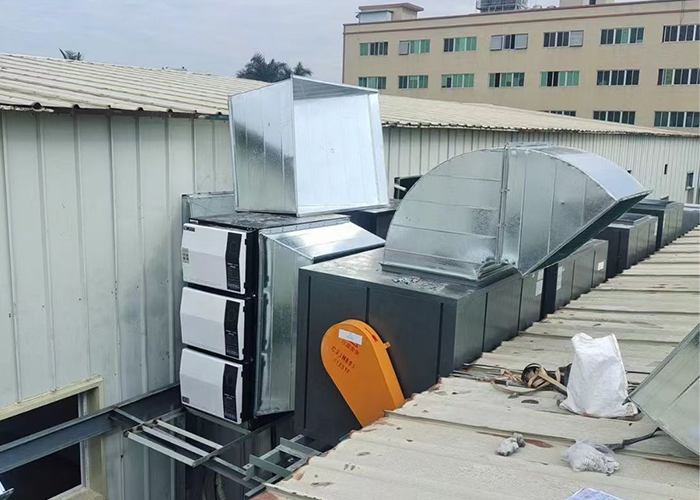
Restaurants generate significant oil fumes and particulate matter during cooking, posing health risks to staff and customers while violating environmental regulations. In Europe and North America, strict air quality laws (e.g., EPA standards in the U.S., EU Directive 2008/50/EC) mandate efficient油烟净化 (oil fume purification) systems. A poorly chosen purifier can lead to fines, poor indoor air quality, and equipment failure. Key factors to consider include airflow capacity (measured in CFM or m³/h), filtration efficiency (ideally ≥95% for particles), noise levels (<65 dB for kitchen comfort), and energy consumption.
How to Select the Right Model for Your Kitchen
Start by calculating your kitchen’s exhaust volume: multiply the cooking area (m²) by the recommended air exchange rate (e.g., 60–80 times/hour for heavy frying). For example, a 20m² kitchen needs 1,200–1,600 m³/h capacity. Next, assess filtration technology: electrostatic precipitators (costeffective for grease) or hybrid systems (combining UV and activated carbon for odor control). Ensure the model complies with local certifications (e.g., CE in Europe, UL in the U.S.) and has a warranty of ≥2 years. Jinjieli Environmental Protection offers customizable purifiers with modular filters, making them adaptable to kitchens of all sizes.
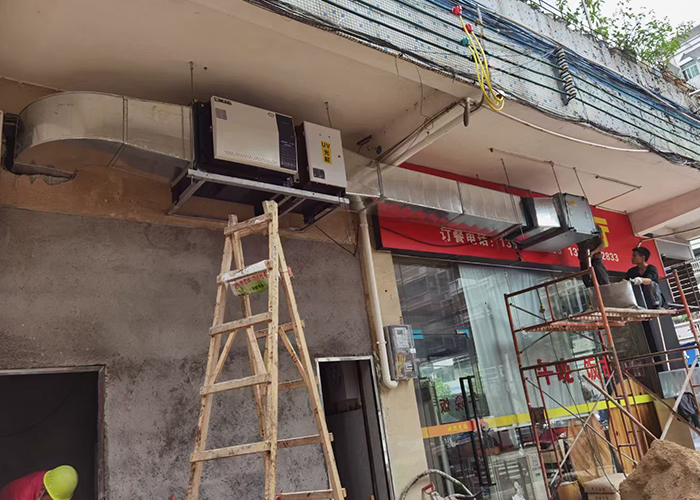
Key Features to Prioritize in European/American Markets
Restaurants in these regions should focus on:
- Energy Efficiency: Look for Energy Starrated models to reduce operational costs.
- Low Noise: Opt for purifiers with sounddampening enclosures for open kitchens.
- Easy Maintenance: Choose designs with removable, washable filters to minimize downtime.
- Smart Controls: Models with autocleaning cycles and realtime monitoring (e.g., Jinjieli’s IoTenabled systems) improve longterm reliability.
- Underestimating airflow needs, leading to incomplete purification.
- Ignoring local regulations, resulting in noncompliance penalties.
- Choosing lowcost models with poor filtration, causing health complaints.
- Neglecting maintenance, which reduces efficiency and increases fire risks.
Avoid generic “onesizefitsall” solutions; instead, request a site audit from manufacturers like Jinjieli to ensure compatibility with your ventilation ducts and cooking equipment.
Cost Breakdown and LongTerm Savings
Initial costs vary by capacity and technology: a midrange 2,000 m³/h purifier costs $1,500–$3,000, while highend hybrid systems exceed $5,000. However, energyefficient models can cut electricity bills by 30% annually. Maintenance expenses (filter replacements, cleaning) typically add $200–$500/year. Jinjieli’s purifiers use durable stainless steel components, reducing replacement frequency and lowering total ownership costs. For example, their 3stage filtration system extends filter life by 50% compared to conventional models.
Avoid These Common Mistakes
Many restaurants fail by:
Always verify a manufacturer’s track record. Jinjieli Environmental Protection has installed over 10,000 systems globally, with 98% client satisfaction in Europe and North America due to their rigorous compliance testing and 24/7 technical support.
About Choosing an Oil Fume Purifier: Common Questions
Question: How often should I clean the purifier?Answer: Clean electrostatic filters monthly and replace carbon filters every 6–12 months, depending on usage. Jinjieli’s models include pressure sensors to alert you when filters need replacement.
Question: Can I install the purifier myself?Answer: No. Professional installation is required to ensure proper duct alignment and electrical safety. Jinjieli provides certified technicians for hasslefree setup.
Question: What certifications should I look for?Answer: In Europe, prioritize CE and RoHS compliance; in the U.S., demand UL and NSF certifications. Jinjieli’s products meet all major international standards.
Next Steps for Restaurant Owners
To avoid costly errors, start by auditing your kitchen’s exhaust requirements and local regulations. Contact Jinjieli Environmental Protection for a free consultation and customized quote. Their team will assess your space, recommend a model, and provide a detailed costbenefit analysis. With Jinjieli’s oil fume purifiers, you’ll ensure compliance, protect staff health, and enhance your restaurant’s reputation for cleanliness and professionalism.
 Related tags:
Recommend
Oil Fume Purifier with Installation: Total Cost Guide
Dedicated All-in-One Oil Fume Purifiers for Food Stalls
What Is a Range Hood Air Cleaner?
New Oil Fume Purifier Brands: What to Compare
What Type of Air Cleaner Does a Range Hood Use?
Where Should an Air Cleaner Go in a Kitchen Hood System?
Kitchen Oil Fume Purifier Upgrades and Corrective Work
Integrated Restaurant Oil Fume Purifier Suppliers
Can a Small Vehicle Use an Oil Fume Purifier?
Oil Fume Purifier Safety and Quality: Supplier Checks
Contact Us
National hotline
+86 139-2378-3494
Company:Shenzhen Jinjieli Environmental Protection Technology Co., Ltd
Address:101, Zone B, Houting Third Industrial Zone, Shajing Street, Bao'an District, Shenzhen City, Guangdong Province
Hot News
- Typical Oil Fume Purifier Weight: What Affects It?
- Restaurant Kitchen Oil Fume Purifier Cleaning Services
- Oil Fume Purifier Ceramic Insulators: Parts and Care
- Canteen Oil Fume Purifier Prices and Installation Costs
- Range Hood Air Cleaners for Low-Level Exhaust
- Oil Fume Purifier Fan Manufacturers and Suppliers
- Cleaning Oil Residue from an Oil Fume Purifier
- Dust Collectors vs. Oil Fume Purifiers: Applications
- What Is an Electrostatic Oil Fume Purifier?
- Kitchen Without an Oil Fume Purifier: Assessment Guide

 HOME
 Product
 Case
 Contact